
Mapacho: Sacred Tabaco and a Bridge to Spirit
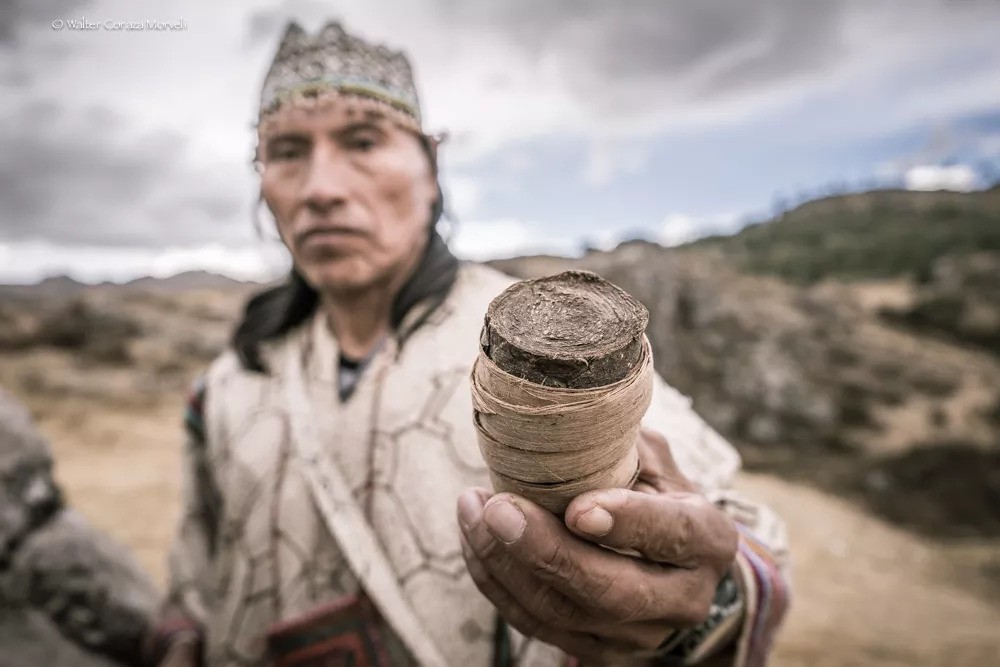
Mapacho, also known as Nicotiana rustica, holds a deeply respected place in Amazonian traditions. Far more potent than the everyday tabaco found in cigarettes, Mapacho has been used for centuries by Indigenous peoples as a spiritual ally, healer, and ceremonial tool.
This sacred tabaco is considered a teacher plant — one that cleanses, protects, and helps deepen one’s connection with the unseen realms. In this guide, you’ll learn about its background, traditional uses, preparation, and best practices for storing and working with it in a respectful way.
What Exactly Is Mapacho?
Mapacho is a wild form of tabaco native to South America, especially thriving in the Amazon and Andes. Compared to the commercial variety (Nicotiana tabacum), Mapacho contains much higher levels of nicotine, making it stronger in both physical and energetic impact.
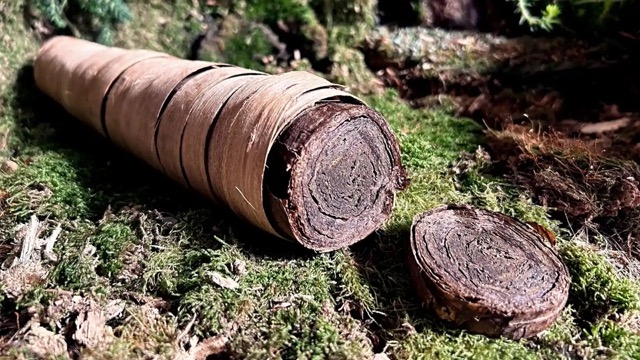
It is typically fermented and rolled into dense, compact shapes (often called “logs” or masos), or sliced into smaller pieces known as "coins." Its signature earthy, rich scent is reminiscent of the rainforest floor — deep, grounding, and ancient.
Mapacho as a Sacred Ally
Used by generations of shamans and healers, Mapacho is not just a plant — it is a conscious being that participates in ceremony. It’s seen as a protector, a purifier of energy, and a conduit for prayer.
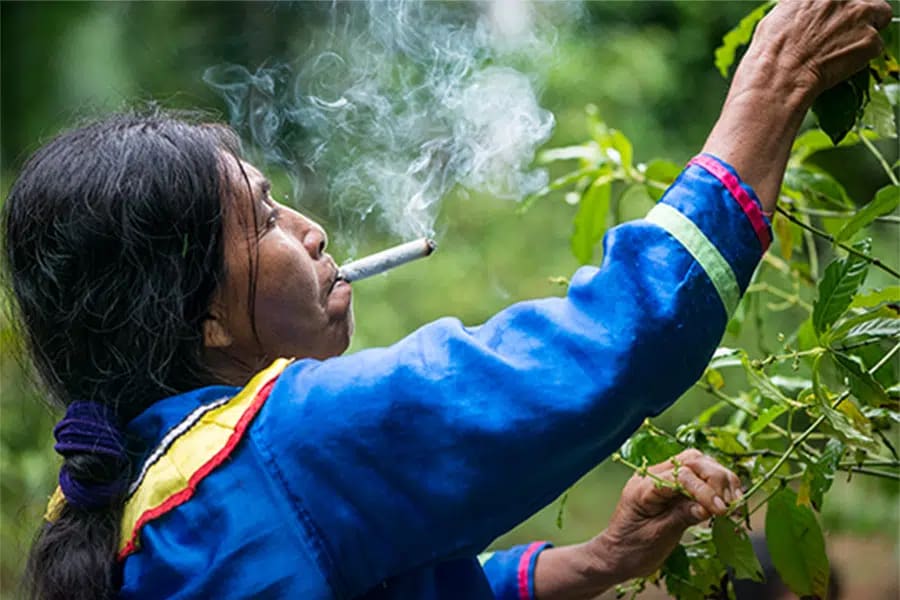
In Amazonian rituals, Mapacho smoke is intentionally used to cleanse energy fields, guide spirits, and protect ceremonial space. It’s often blown over people, objects, or altars in a practice known as soplada.
The Ritual of Soplada
The word soplada comes from Spanish and means “to blow.” In Amazonian healing work, a practitioner blows Mapacho smoke with intention to shift energy, remove spiritual blockages, and create a protective field. This act is both energetic and symbolic — invoking the spirit of the plant and channeling its force with purpose and reverence.
Sopladas can also be used to activate medicines, bless sacred tools, and seal ceremonies.
Working Alongside Ayahuasca
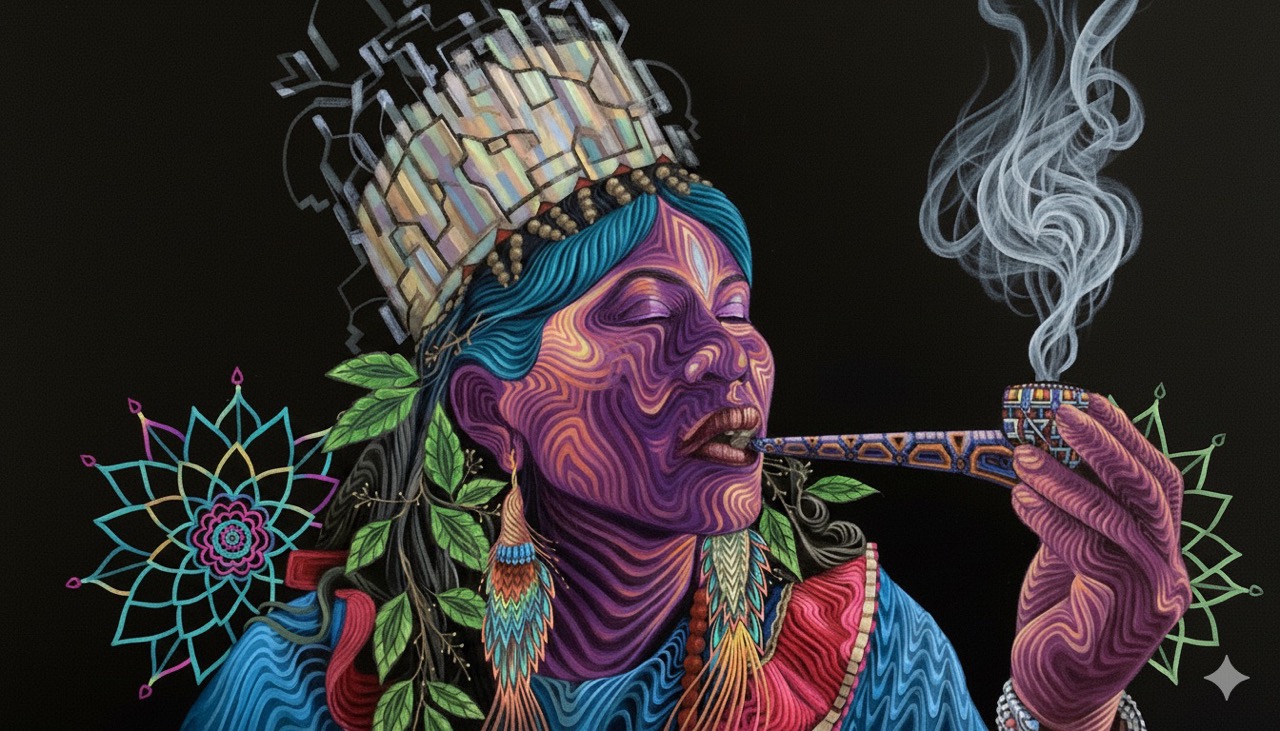
Mapacho is frequently used in tandem with Ayahuasca during ceremonies. While Ayahuasca opens the visionary world, Mapacho acts as an anchor — grounding the body and offering energetic protection. Before, during, and after ceremony, it helps maintain focus and shields the space from disruptive influences.
Traditional and Ceremonial Use
Indigenous traditions integrate Mapacho into various spiritual practices — from initiations to plant dietas (sacred learning journeys with teacher plants). The smoke may be offered to the four directions, used to bless medicine, or gently inhaled to deepen meditation.
Simply preparing Mapacho for use can become a ceremony of its own — a moment of mindful connection, gratitude, and grounding.
How to Prepare Mapacho
-
Create Space: Before handling the plant, take a breath and center your mind.
-
Cutting: Slice a thin coin-shaped piece from the Mapacho log.
-
Loosening: Unravel it gently with your fingers. Shred or cut further if needed for pipe use.
-
Moisture Check: If it’s too wet, let it air-dry to a springy texture. If too dry, place it in a sealed container with a damp paper towel overnight (keep the towel separate from the tabaco).
-
Use: You can smoke it in a pipe, roll it, or use it in cleansing rituals.
How to Store Mapacho Properly
-
Short-Term: Wrap unused logs tightly and refrigerate.
-
Long-Term: For extended storage, freeze the logs to prevent mold and retain strength.
-
Loose Shreds: Keep in airtight jars away from sunlight. Inspect regularly.
-
Best Practice: Use a vacuum sealer to maintain freshness, reduce oxidation, and prevent mold over time.
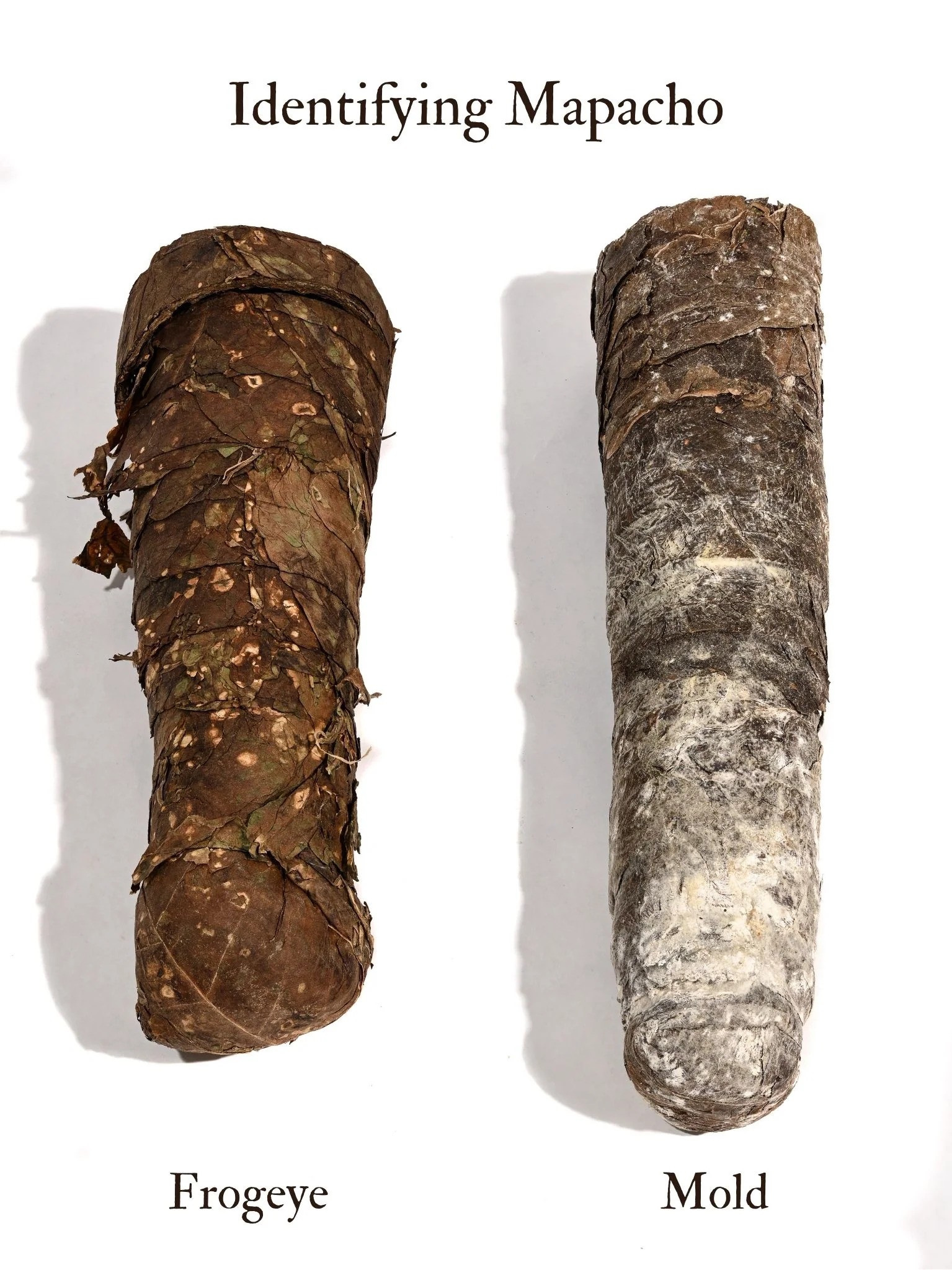
Mold vs. Frogeye — What’s the Difference?
-
Mold appears as fuzzy white, green, or dark spots and usually has a damp, musty smell. It should be discarded.
-
Frogeye is a harmless natural marking — flat, pale, dry, and without odor — often found in tabaco grown in humid climates.
When unsure, check the texture and scent. Mold is moist and invasive, while frogeye is stable and superficial.
Mapacho with Integrity
When sourcing Mapacho, choose options that are harvested and prepared with respect. Some trusted sellers work directly with Indigenous communities to ensure the plant’s spirit and tradition are honored.
For ceremonial use, you may find whole logs or pre-cut slices. Each batch should be treated with care — both in how it's stored and how it's offered.
Optional Tools: Ceremonial Pipes
Using a handcrafted pipe dedicated to your Mapacho work can enhance your ritual. These tools are often made with intention and can become sacred extensions of your practice.
Closing Reflections
Mapacho is more than just a plant — it is a bridge to the spiritual realms, a protector of sacred spaces, and a guide on the journey of healing and self-discovery.
Approach this plant ally with humility, clarity, and gratitude. In doing so, you honor not only the traditions it comes from, but also the deeper aspects of yourself it may help awaken.
Spiritual and Energetic Benefits
-
Cleansing and Grounding: Mapacho has significant cleansing and grounding effects. It helps to purify your physical and energetic body from blockages and traumatic imprints.
-
Connection and Communication: Local shamans use Mapacho in various ceremonies for connection and communication with the invisible worlds and spirits of nature.
-
Master Teacher: Mapacho is regarded as a master plant capable of healing on all levels: physical, energetic, and spiritual.
-
Messenger and Activator: It is considered a messenger spirit that connects plants to humans, and humans to spirits. It is combined with other plants to strengthen and activate their effects.
-
Clarity, Strength, and Protection: Indigenous people worldwide honor Mapacho for its ability to bring clarity, strength, and protection. It calms, strengthens, and cultivates a sense of decisiveness and resilience.
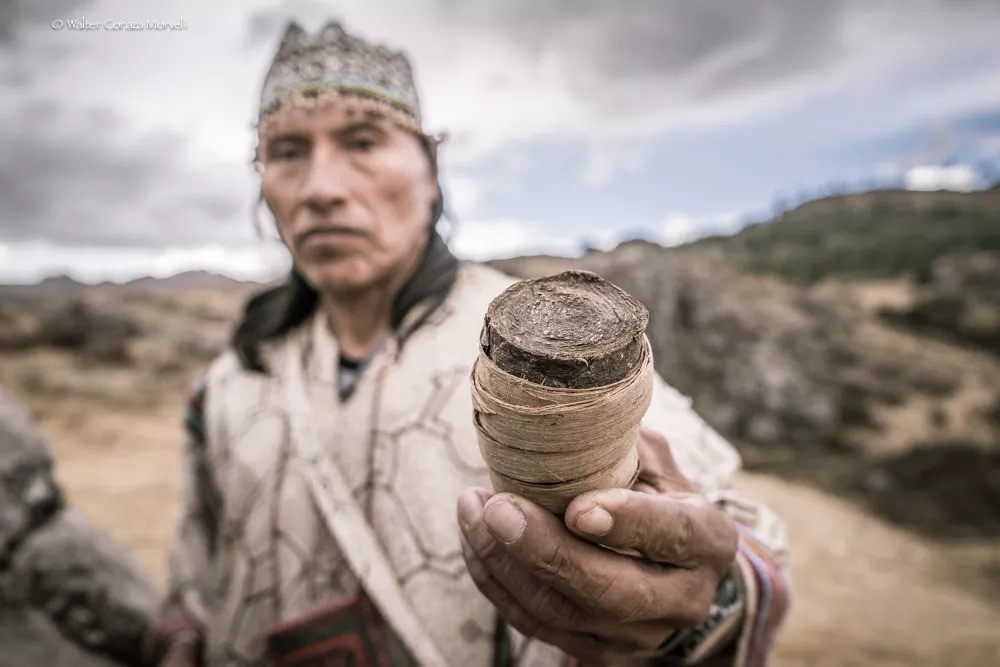
Usage in Rituals and Ceremonies
Mapacho has an almost universal reputation as a medicine in the Amazonian region. It is used in various ways – for smudging, chewing, drinking, or blowing into the nostrils (in Rapé/Hapé).
-
During Ceremonies: The Curandero (healer) uses Mapacho to cleanse the ceremonial space of negative energies and to enter a state where deep healing can occur.
-
Conscious Work: All processes and work with plants should always be approached with reverence, respect, and knowledge, as well as with a sincere desire to learn and be healed.
-
Ritual Prayer: Light the Mapacho with an inner prayer and offer it to the fire, earth, or beings of nature to strengthen contact and inner guidance.
Haux e mta alegria!
ETHNOBOTANICAL SAMPLE - COLLECTIBLE ITEM - NOT FOR INTERNAL USE
This natural product is offered solely for its ethnographic, historical, and cultural value. It is a raw botanical sample, intended for scientific, educational, and research purposes. It is not intended for ingestion, inhalation, smoking, or any other form of internal use. All information provided about this product is for historical and educational purposes only and must not be interpreted as a recommendation for any specific use. The product is supplied without any express or implied warranty of suitability for any purpose. The use and handling of this product are entirely at the discretion, responsibility, and risk of the buyer. More in our Disclaimer.
Nukini Tribe
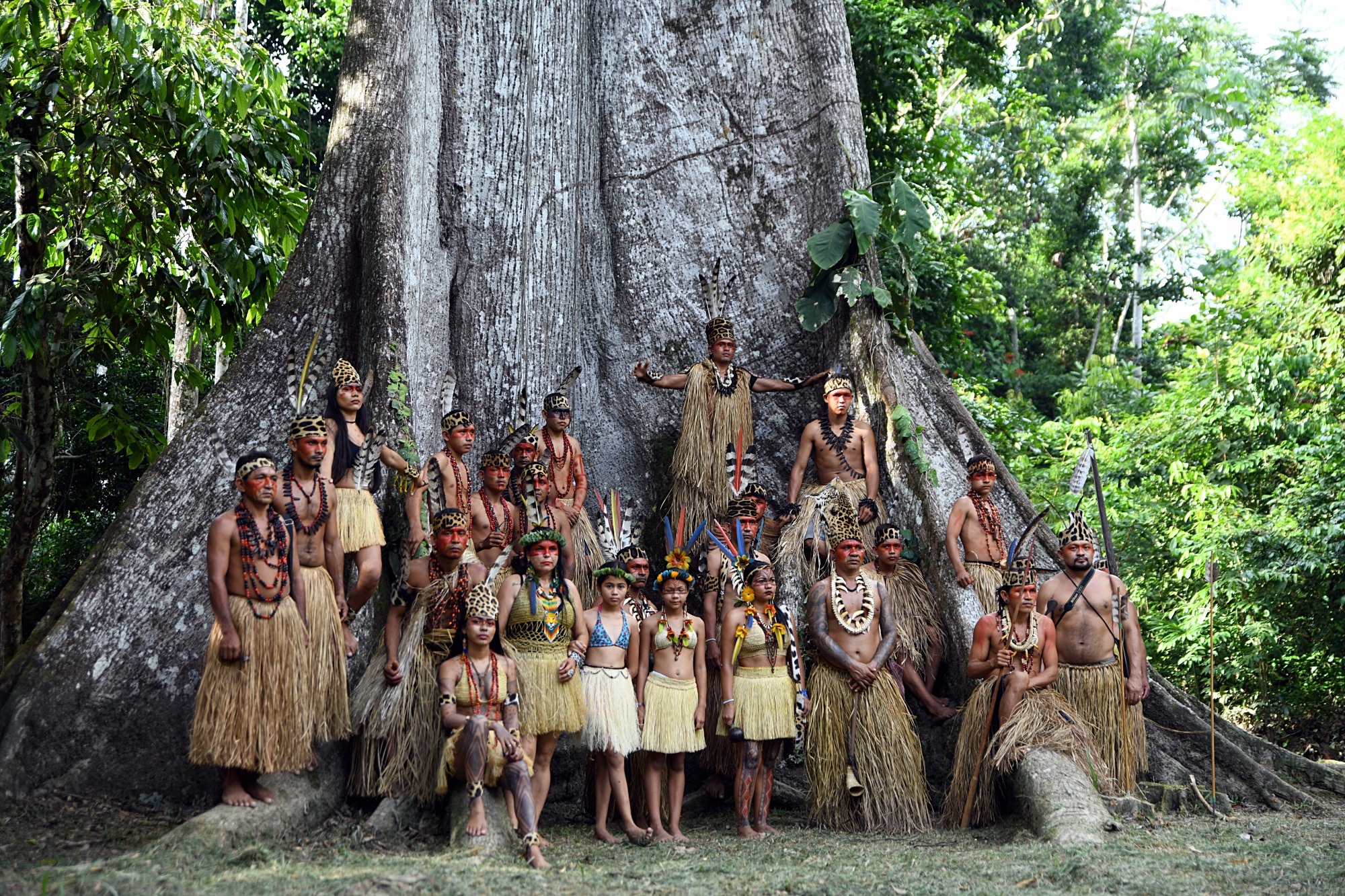
The Nukini tribe, often called the "People of the Jaguar," ranks among the most resilient indigenous groups inhabiting the Brazilian state of Acre, deep in the heart of the Amazon rainforest. Th...
Dragon’s Blood – A Natural Treasure from the Amazon
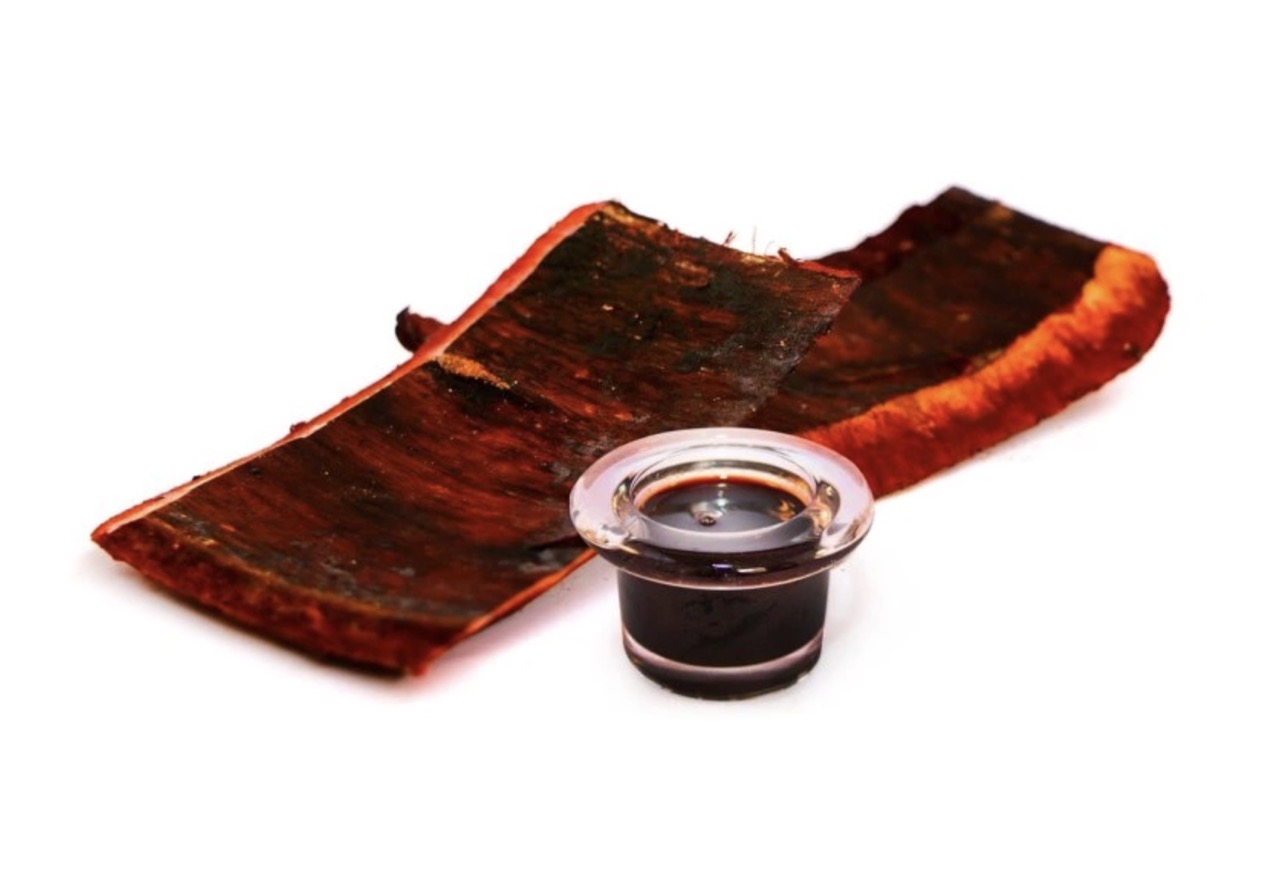
Dragon’s Blood is a rare and powerful resin hand-harvested from wild-growing trees deep in the Peruvian rainforest. It comes from the Croton Lechleri tree, also known as Sangre de Drago or Sangre d...
Rapé FAQ
La Herba · Collection guide
Rapé FAQ
Origin, ingredients, choosing a blend and important context in one place.
Rapé has an origin, a context and a character. This guide helps you explore...
Tepí - blowers, applicator for Rapé
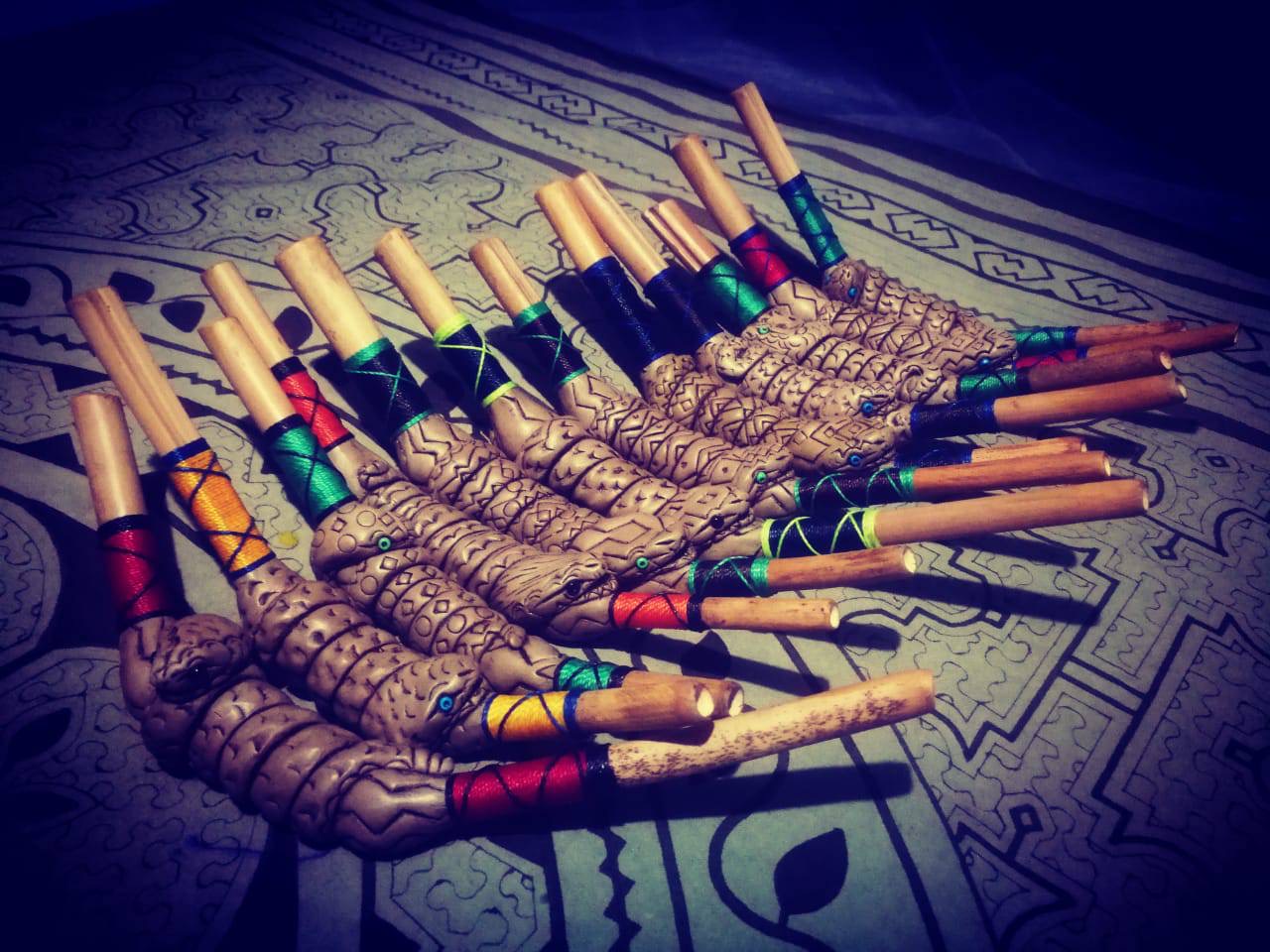
The Tepi is an applicator that is used when somebody wants to blow mediciny to another person, normally a shaman or the person conducting a ceremonial.
The people in the forest use it for cere...