
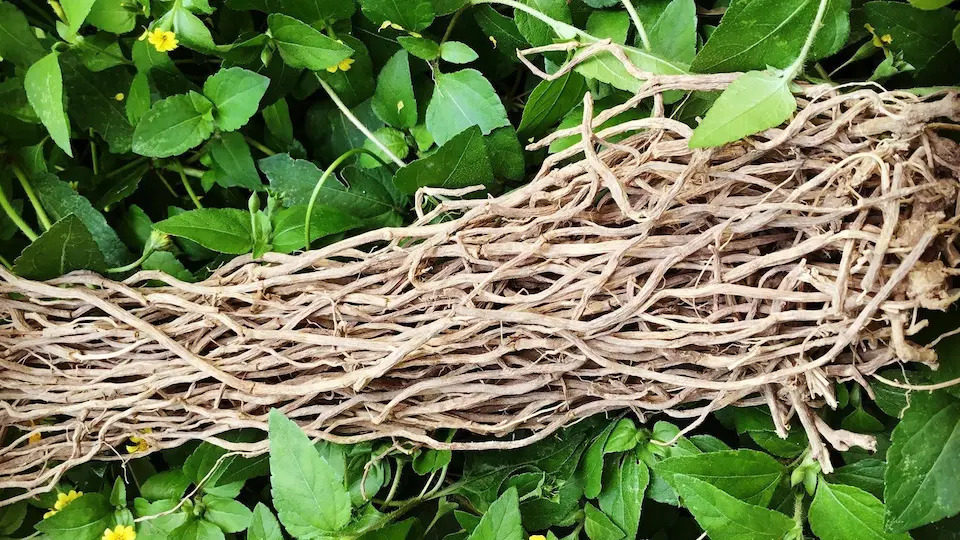
Chilcuague - Aztec Gold Root
Chilcuague, also known as Heliopsis longipes or "Aztec Gold Root," is a medicinal plant native to central Mexico, particularly the Sierra Gorda region. Its root has been traditionally used for its unique tingling sensation and various health benefits.
Key Benefits of Chilcuague:
-
Pain Relief: The root contains affinin (spilanthol), which has analgesic and anti-inflammatory properties, providing relief from toothaches, sore throats, and muscle pain.
-
Antimicrobial Properties: Chilcuague exhibits antibacterial and antifungal effects, making it useful for treating infections and promoting oral health.
-
Digestive Support: Chewing the root stimulates saliva production, aiding digestion and helping to balance stomach pH.
-
Immune System Boost: Regular use may enhance the body's defense mechanisms against infections and inflammation.
-
Natural Insect Repellent: The plant's compounds have insecticidal properties, offering protection against certain pests.
Usage Forms:
-
Chewing the Root: Traditionally, the root is chewed to experience its numbing effect and health benefits
-
Tinctures and Sprays: Extracts are available for oral or topical application to address various ailments.
-
Topical Ointments: Used for skin conditions, muscle aches, and as an antiseptic.
Precautions:
While Chilcuague is generally safe, it's advisable to consult with a healthcare professional before use, especially for individuals with allergies to plants in the Asteraceae family or those who are pregnant or breastfeeding.
For more detailed information on Chilcuague's properties and applications, you can visit chilcuague.com.
Embodiments of Master Saint Germain

In the 11th century BC, Saint Germain was embodied as the prophet Samuel. Saint Germain was embodied as Saint Joseph, the father of Jesus and the husband of Mary.
• In the late 3rd century, he ...
Why Moringa is considered one of the most nutritious plant sources
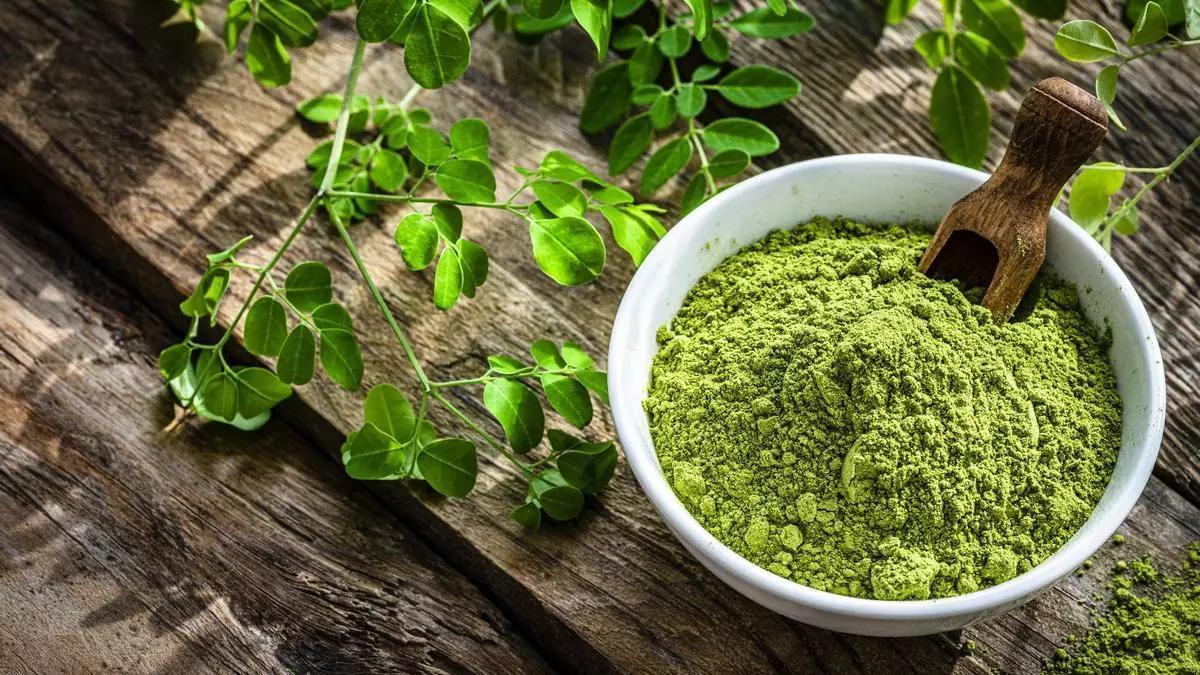
Moringa, also known as the "tree of life" or "miracle tree", is a highly nutritious plant native to parts of Africa and Asia. Its scientific name is Moringa oleifera. It is praised for its numerous...
Mushrooms in a petri bowl shows it amazing mycelium
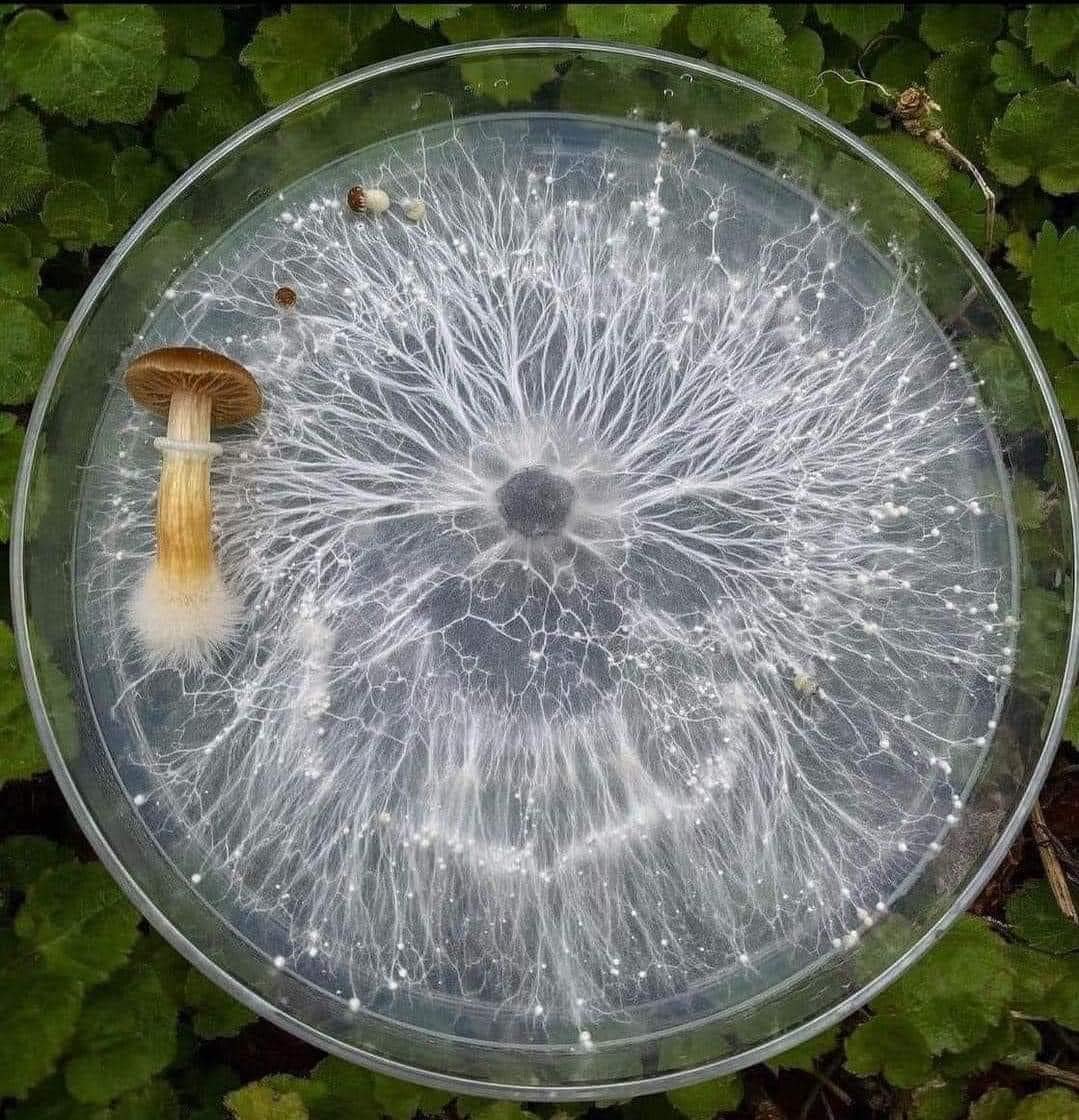
If you cultivate a mushroom in a petri bowl on agar, its actual “shape” becomes visible. The essential part of a mushroom, the Mycel, is usually hidden from our eye. What we perceive as a “mushroom...
Chaga Siberian, Chaga - the strongest natural antioxidant in the world
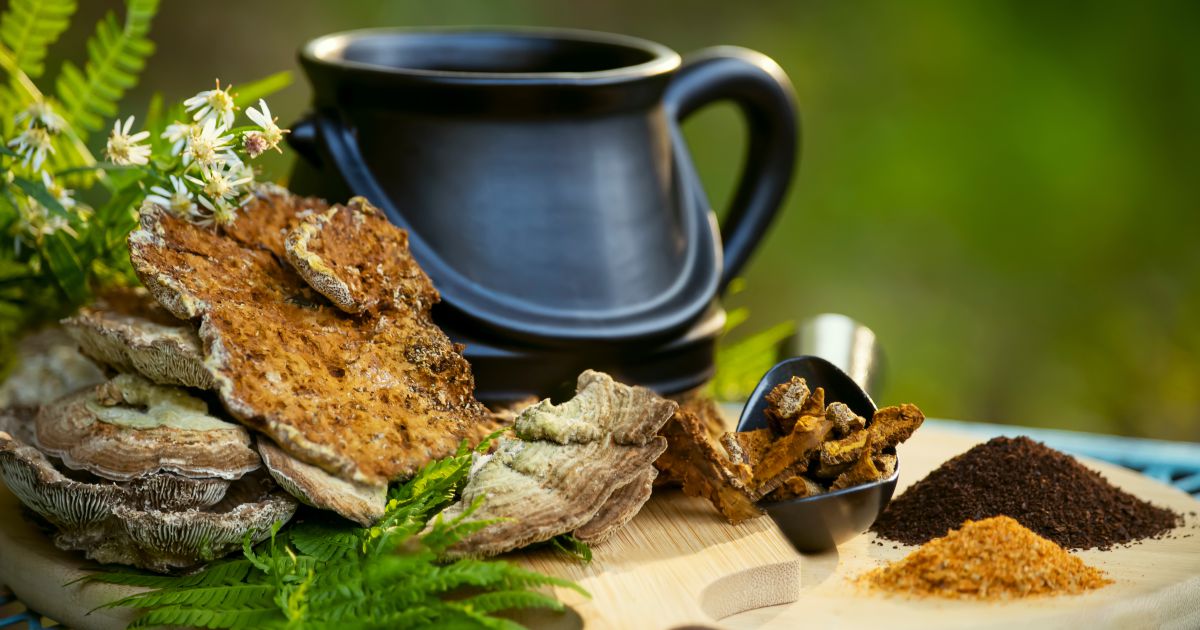
Content of the article
1. What is chaga? What does this miracle mushroom bring?
2. What is chaga used for?
3. For what problems is it appropriate to reach for chaga?
4. What spectrum of vitamins does...