

Kuripe
Kuripe for Rapé
We are expanding our collection with new Kuripe pipes from Antonio of the Kuntanawa tribe — authentic ceremonial tools with deep indigenous roots.
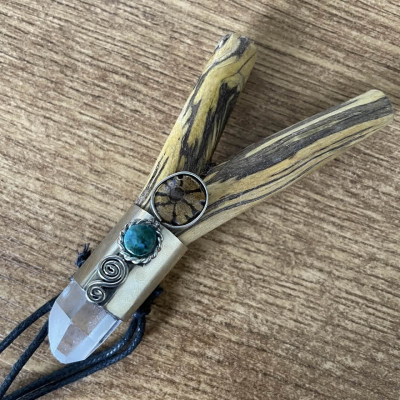
Kuripe Palo Santo Crystal
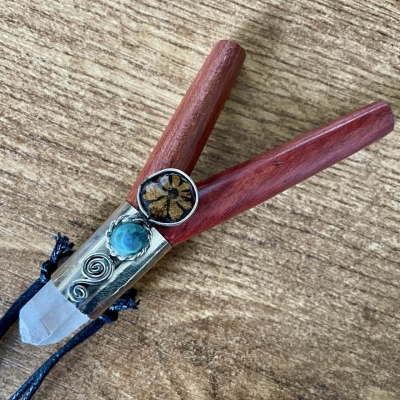
Kuripe Palo Sangre Crystal
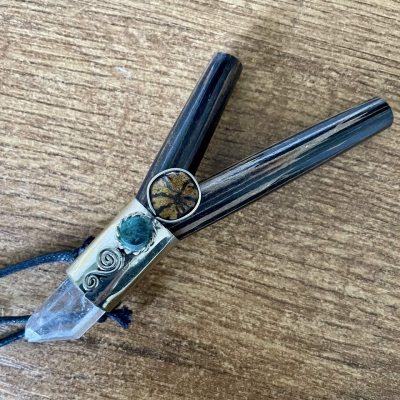
Kuripe Chonta Aya Crystal
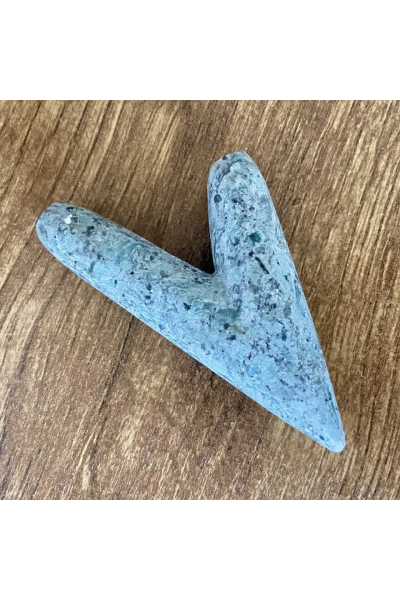
Kuripe Serat Hijau
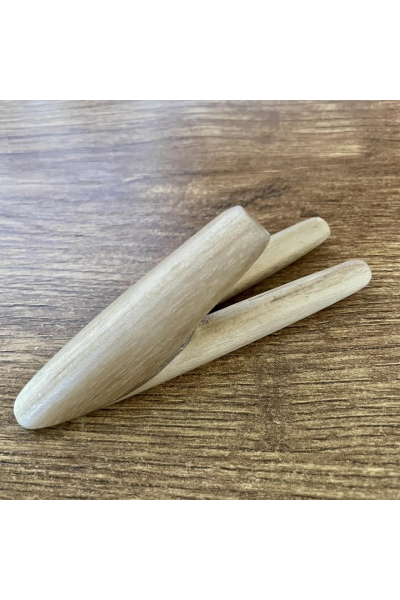
Kuripe Double
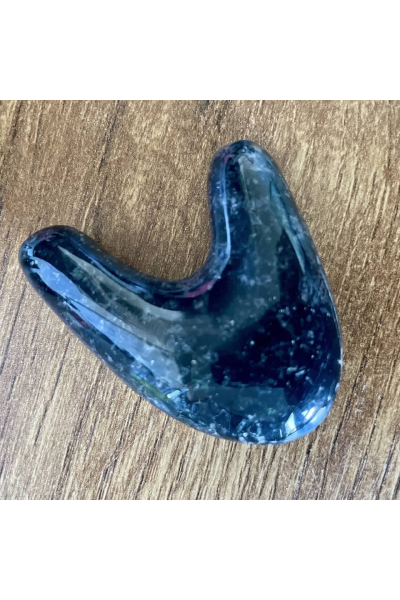
Kuripe Borneo
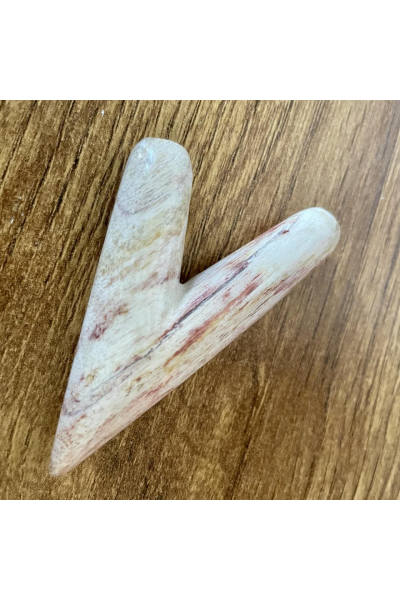
Kuripe Fossil
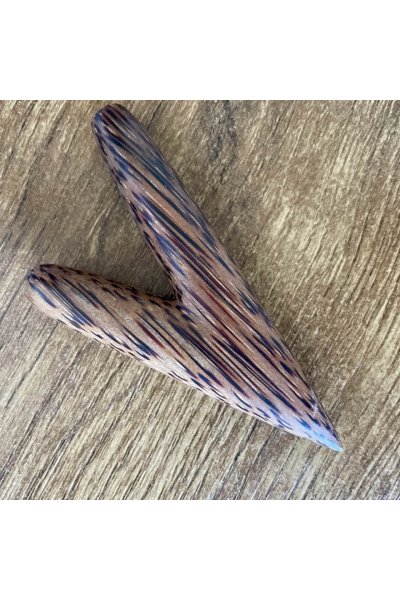
Kuripe Coconut
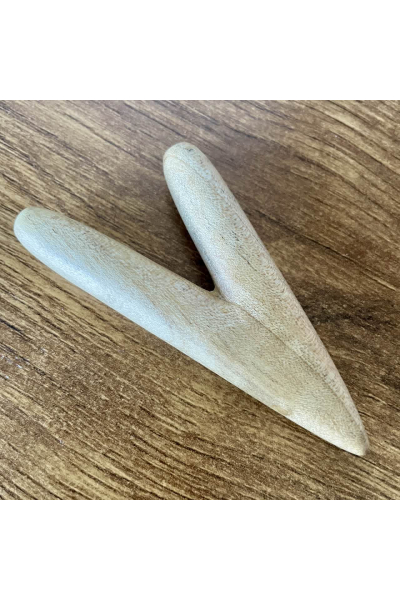
Kuripe Crocodile
A Kuripe is short — usually 7 to 12 cm — and bent into a tight V or U so one breath carries the Rapé from your mouth to your nose. Most are carved from a single piece of bamboo, hardwood, or bone; some are bound with woven thread or beadwork at the joint. The bore has to be smooth and clear, or the powder catches — something worth checking on any Kuripe before you buy.
TIP: A slightly longer Kuripe gives you more control over breath pressure, which matters if you're still finding your technique. Shorter pipes are more discreet and travel-friendly.
Spiritual & Energetic Properties
Among practitioners, the Kuripe is treated as more than a tool — the material it's made from is said to carry the energy of the plant or animal it came from. Bone pipes are traditionally associated with grounding and ancestral connection; bamboo and wood with the living forest. Self-application with a Kuripe is often described as a more intimate practice than receiving from another — you set your own pace, your own intention, your own breath.
Traditionally, the moment before blowing is held in silence — a pause to settle and name your intention.
About the Material
The wood, bone, or bamboo in a Kuripe isn't chosen at random. Hardwoods like bloodwood and Pona Chonta are dense and durable, holding a fine finish and a clean bore for years. Bamboo is lighter and carries a rawer, more traditional feel. Decorated pipes may add feathers, seeds, or beadwork — each element chosen by the maker for what it represents, not just for looks.
Suggested Use
Load a small amount of Rapé into the wider end. Bring the mouthpiece to your lips and the other end to one nostril, take a slow breath, and blow in a single steady motion. Repeat for the second nostril. Sit upright, keep your breathing calm, and let the moment settle before you move.
Walk with it as you would with a teacher. With respect, humility, and an open heart.