

Gratitude: What Happens in Your Brain and Heart When You're Thankful
Some people feel genuinely happy with a glass of clean water. Others, despite having everything they need, find something to complain about every single day. Funny how that works, isn't it?
Most of us already have what we once wished for. And yet we keep chasing more, convinced that the next thing will finally bring lasting happiness.
Where Does Happiness Actually Live?
Buying something new does bring joy – but only briefly. Long-term happiness is an inside job, not an outside one. We live in a world that constantly tells us we're lacking something, and that message quietly steals our ability to feel genuinely content.
Researchers at the UCLA Mindful Awareness Research Centre back this up:
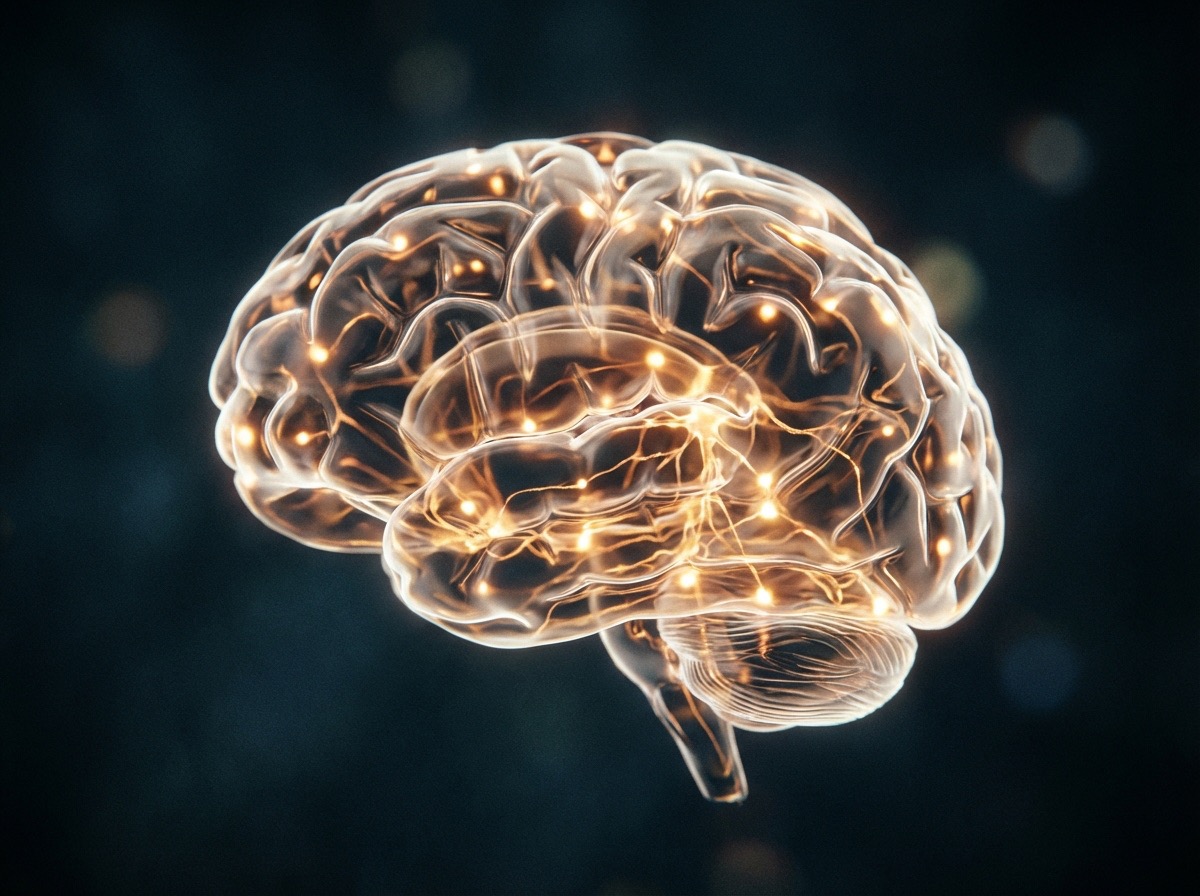
Gratitude changes the molecular structure of the brain, keeps grey matter functioning well, and makes us healthier and happier. You become calmer, less reactive – that's real self-care.
What the Research Says
Scientists at UC Berkeley enrolled nearly 300 adults struggling with anxiety or depression into three groups. All received counselling, but one group also wrote a letter of gratitude to someone else once a week for three weeks.
The result? Those who wrote letters reported significantly better mental wellbeing – and the effect lasted for 12 weeks after the exercise ended. A short gratitude practice, it turns out, can meaningfully boost the impact of therapy.
A similar study by Professor Emmons at UC Davis found that participants who wrote down five things they were grateful for each week were 25% happier after ten weeks than those who recorded daily problems. They also reported fewer physical complaints and exercised an average of 90 minutes more per week.

What Gratitude Actually Does for Us
Berkeley researchers identified four key mechanisms:
- It clears out toxic emotions
- It helps even when you don't express it to anyone
- Its effects take time – don't expect instant results
- It leaves lasting changes in the brain
That last point is particularly striking. Using fMRI scanners, researchers found that people who wrote gratitude letters showed increased activity in the medial prefrontal cortex – the area linked to learning and decision-making – and this was still measurable three months after the exercise ended.
In other words: the more you practise gratitude, the better your brain gets at feeling it.

And What About the Heart?
The brain isn't the only player here. The HeartMath Institute discovered something surprising: the heart actually sends more signals to the brain than the brain sends to the heart – not the other way around.
When we experience genuine positive emotions – gratitude, love, appreciation – the heart shifts into a smoother, more harmonious rhythm. Researchers call this state "cardiac coherence," and it brings with it sharper focus, clearer thinking and better decision-making.
HeartMath's Director of Research, Rolin McCratey, puts it this way: the heart generates the largest electromagnetic field in the body, and our emotions are directly encoded into that field. When we shift our emotions, we shift the signals we send – not just to ourselves, but to everyone around us.

Gratitude Goes Beyond the Individual
Research suggests that positive emotions ripple outward far beyond our own bodies. When more people radiate cardiac coherence, it creates an energy that makes it easier for others to connect with themselves too.
A striking example comes from the Israeli-Lebanese war in the 1980s. Groups of experienced meditators in different countries periodically directed their focus toward the conflict zone. During those meditation periods, violence dropped by 40 to 80%, the average daily death toll fell from 12 to 3, and war-related injuries decreased by 70%.
In 1993 in Washington D.C., 2,500 meditators contributed to a 25% reduction in the city's crime rate over a defined period.
The Takeaway
Gratitude isn't just a nice gesture. It's a tool that genuinely changes your brain, your heart and the world around you.
When we take a moment each day to appreciate what we have – through journaling, writing to someone, or simply pausing to reflect – we're investing in our mental health more powerfully than we might realise. And perhaps, in some small way, in a calmer world too.
Why Moringa is considered one of the most nutritious plant sources
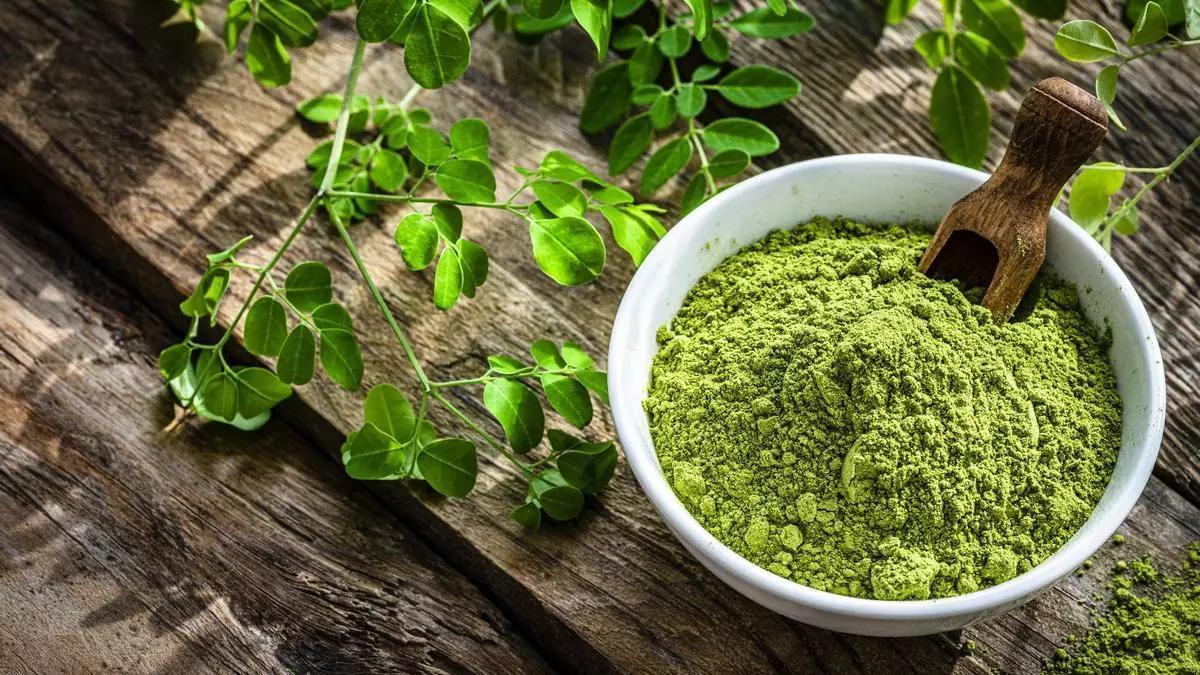
Moringa, also known as the "tree of life" or "miracle tree", is a highly nutritious plant native to parts of Africa and Asia. Its scientific name is Moringa oleifera. It is praised for its numerous...
Yawanawa Tribe

Since time immemorial Yawanawa people have lived in harmony with nature on the banks of the Gregorio river in the Amazonian region that concentrates the greatest biodiversity on the planet. In this...
Palo Santo: a sacred wooden incense burner from Peru
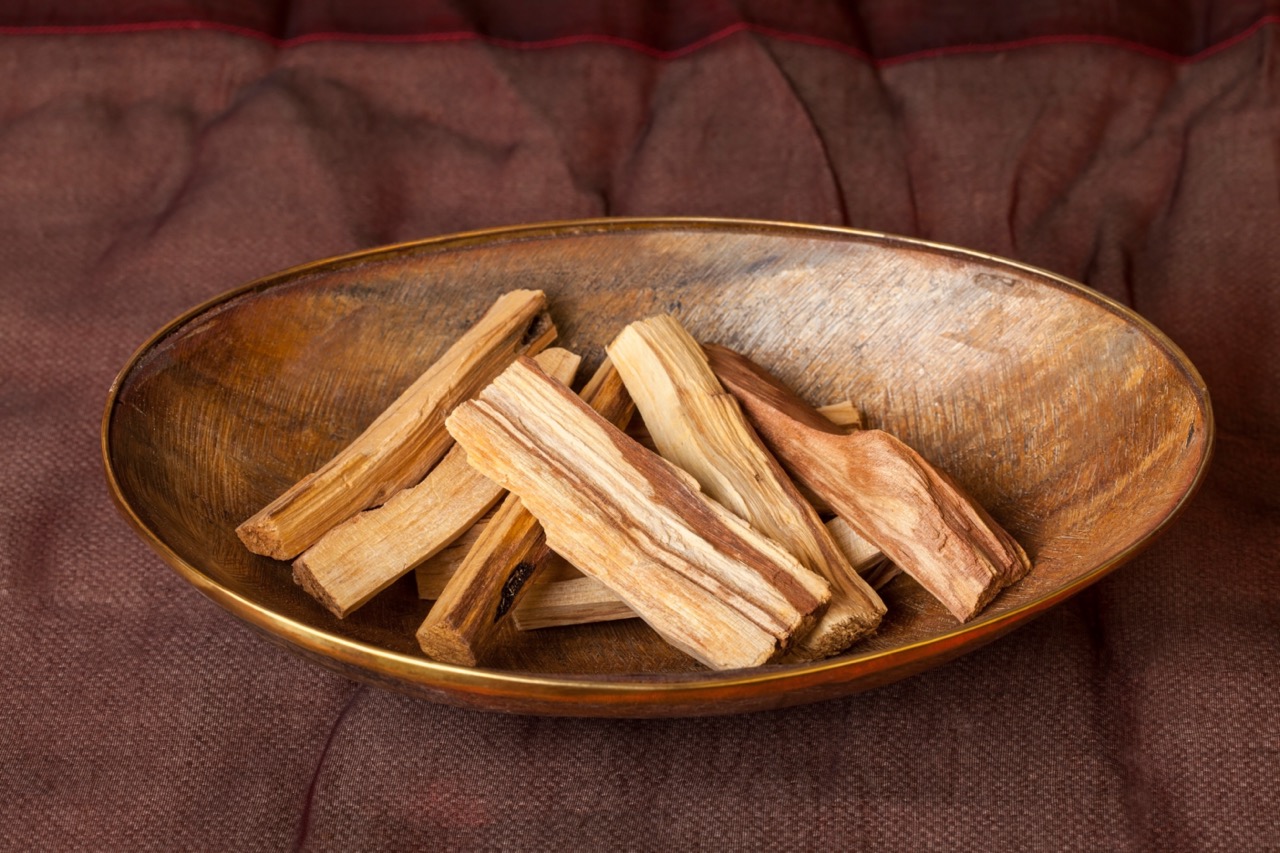
In recent years, Palo Santo has become synonymous with space clearing and meditation rituals around the world. This sacred wooden product, which comes from South America, is popular not only for it...
Kuripe - self-aplicator for Hapeh

The Rapé applicators, also known as “Tepi” and “Kuripe” are sacred instruments of indigenous origin generally made from different types of wood, bamboo, special rocks or bones and can carry ornamen...