
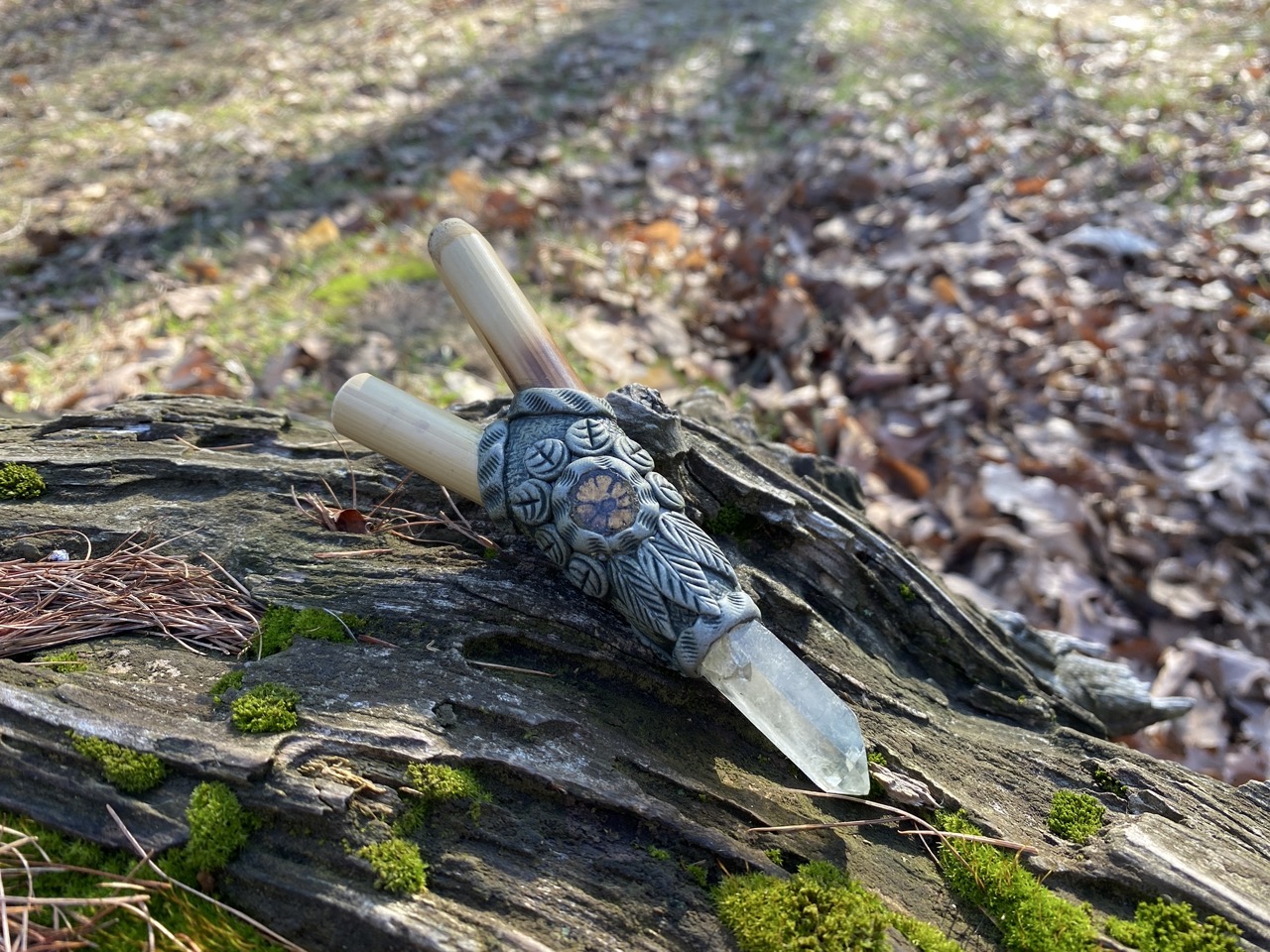
Kuripe - self-aplicator for Rapé
Tepi and Kuripe are traditional blowpipes of indigenous origin, made from wood, bamboo, special stones or bones and often decorated with feathers, mariri, crystals and seeds.
In this article
Basics
What are Tepi and Kuripe?
Tepi and Kuripe are the instruments through which Hapé is traditionally applied. Tepi is applied by a second person, Kuripe is a self-applicator.
Tepi
A longer blowpipe. In the tradition, the Hapé is blown into the nostrils by a shaman or another person.
Kuripe
A short V-shaped blowpipe. The person blows the Hapé into their own nostril, which is why it is called a self-applicator
Materials
What they are made of
Blowpipes are made from different types of wood, bamboo, special stones or bones, and may carry ornaments such as feathers, mariri, crystals and seeds.
According to the tradition, it is from these elements – especially the animal or plant used to make a Kuripe – that indigenous people draw a connection with nature, together with the blowing technique used to apply Hapé.

Tradition
Hapé is blown, not inhaled
Within indigenous tradition, Hapé is never “inhaled”. It is always blown.
Hapé is traditionally associated with cleansing the energy field and the body, sharpening the mind and maintaining concentration and focus. In this practice the Tepi and Kuripe play a key role, as these instruments are described as helping to apply Hapé in a careful way and to protect the respiratory system.
According to indigenous traditions, Hapé is blown into both nostrils so that the energy field does not become unbalanced. It is also described in connection with hunting, with removing “Panema” (laziness) and with ceremonies with Ayahuasca.
These are traditional associations, not guaranteed effects. Our products are sold as ethnobotanical samples.
Self-applicator
The Kuripe
The Kuripe lets the person apply Hapé to themselves – a gesture the tradition connects with self-reliance and inner work.
Blowing Hapé into the nostrils, whether by a shaman, another person or oneself, is described as a strong experience for the inexperienced. The tradition speaks of a fast effect, followed by a sense of well-being and clear airways.
Description
How a Kuripe is described being used
Below is a neutral description of the traditional process. It is for information only and is not a recommendation to use.
- The Kuripe is loaded with a small amount of Rapé.
- A comfortable, seated position with the head slightly tilted back is described as suitable.
- The shorter end is placed at one nostril and the longer end in the mouth, after a deep breath through the mouth.
- A gentle blow guides the Rapé into the nostril, and the process is repeated on the other side.
- Afterwards, it is common to close the eyes, breathe through the mouth and, when needed, blow the nose to clear any excess.
For a longer guide, see our step-by-step guide and the overview of ways to blow Rapé.
FAQ
Frequently asked questions
What is the difference between Tepi and Kuripe?
Tepi is a longer blowpipe used by a second person, Kuripe is a short self-applicator.
What are Kuripe and Tepi made from?
Wood, bamboo, special stones or bones, often decorated with feathers, mariri, crystals and seeds.
Is Hapé inhaled?
No. In indigenous tradition it is always blown, never inhaled.
Do you sell them?
Yes, see our Kuripe and Tepi collections. They are offered as ethnobotanical samples.
Video
Watch
Explore our blowpipes
KuripeTepiRapéShawãdawa (Arara) tribe
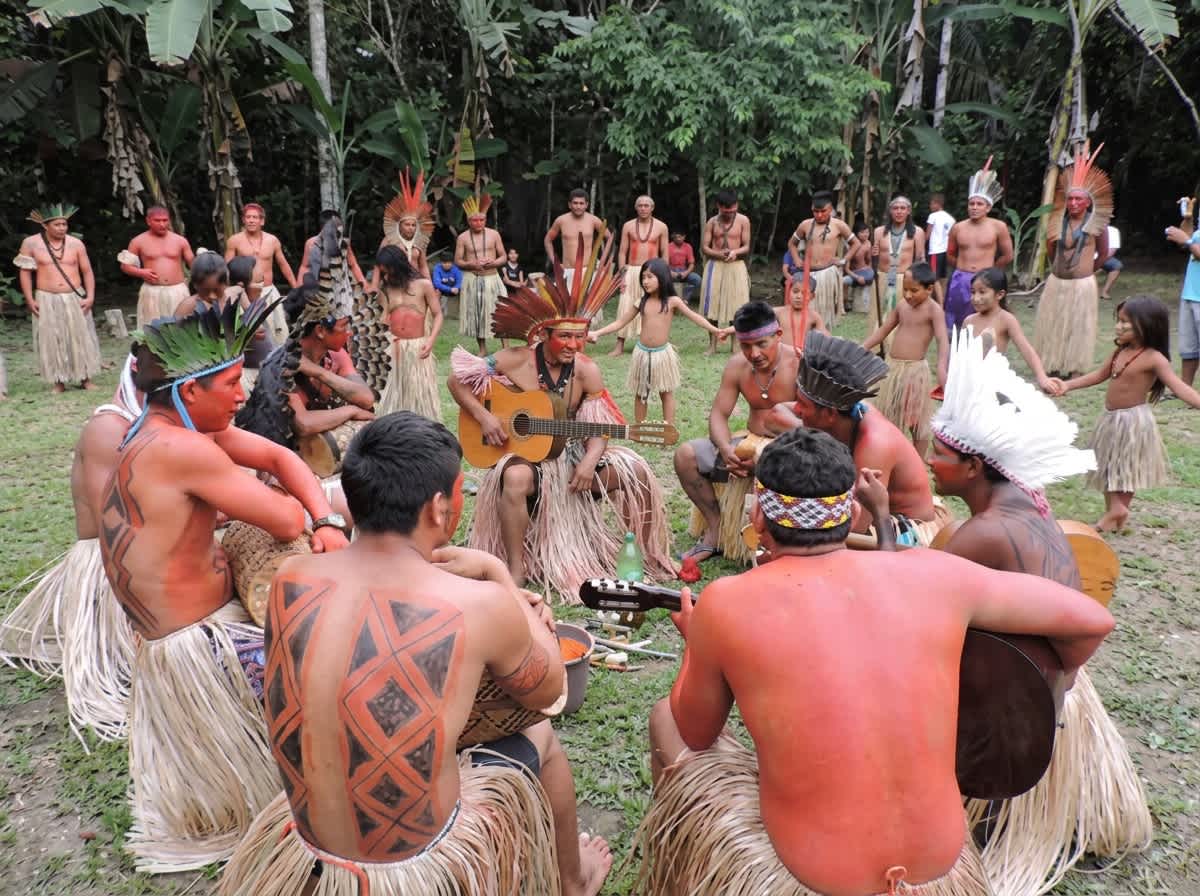
Indigenous peoples of the Amazon
Shawãdawa (Arara) – the family of the red macaw
The world knows them as Arara, they call themselves Shawãdawa. A people from the upper Juruá in Acre, Brazil, ...
What Is Sananga? Complete Guide to Traditional Amazonian Use
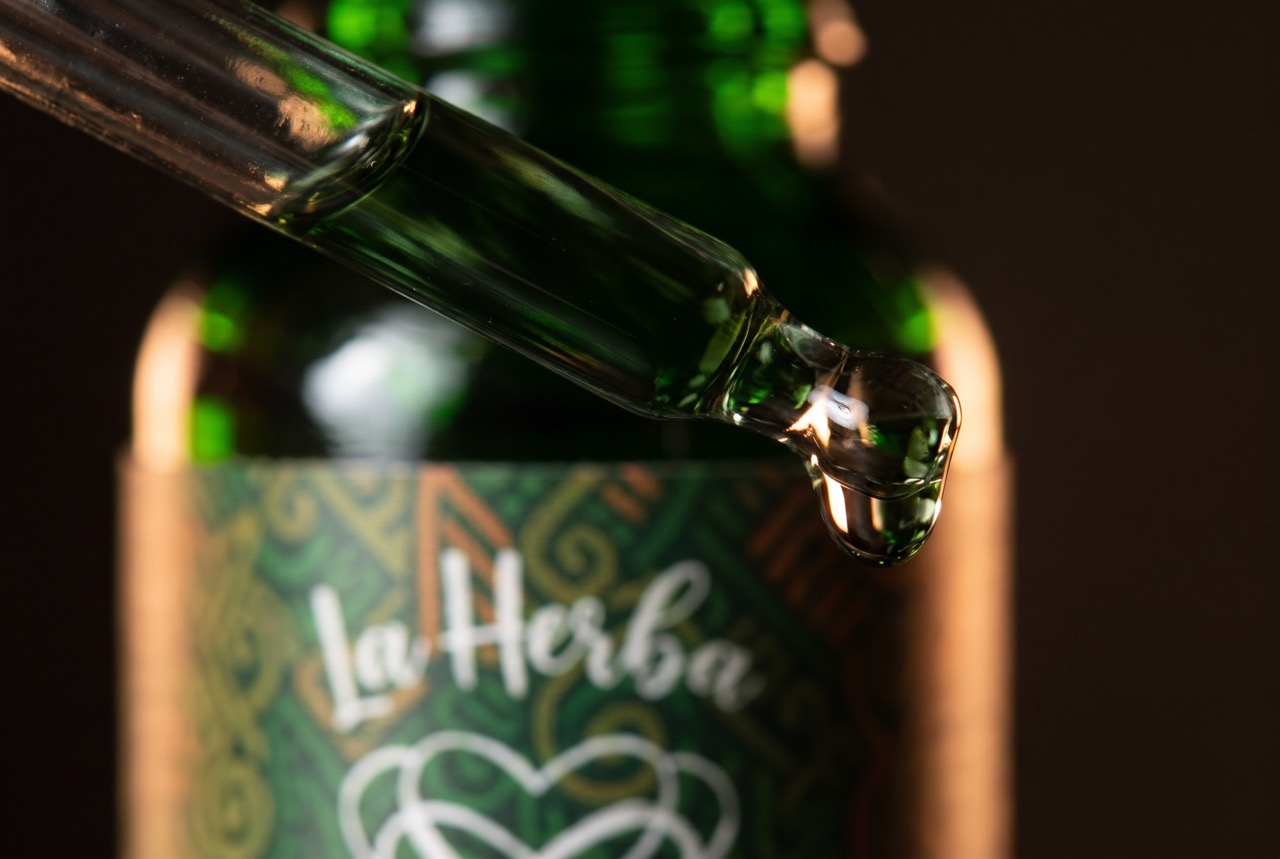
La Herba · Sananga guide
Sananga is a traditional Amazonian plant preparation associated primarily with the roots and root bark of plants of the Tabernaemontana genus. In different traditions ...
Moringa is considered one of the most nutritious plant sources
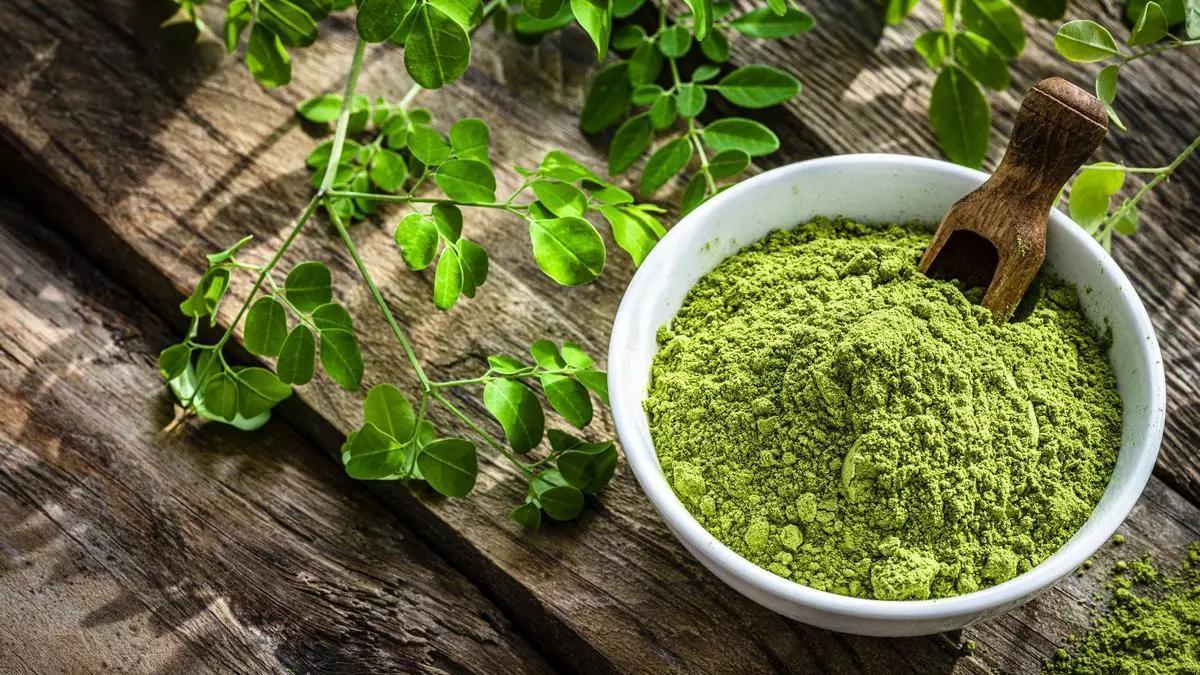
Plants · Moringa
Moringa oleifera, known as the “tree of life” or “miracle tree”, is a nutrient-rich plant native to parts of Africa and Asia.
This overview describes what moringa is, what it...
Dragon’s Blood (Sangre de Drago)
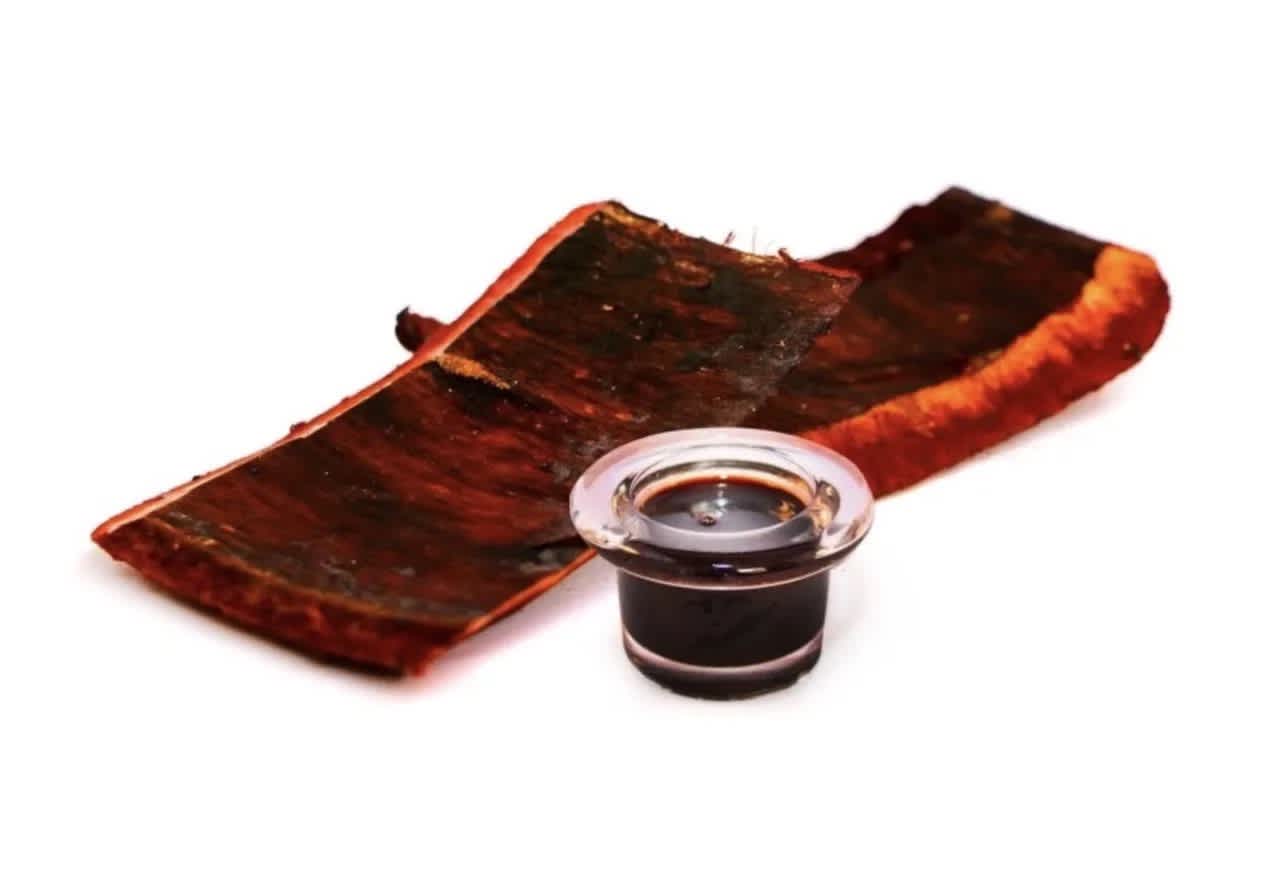
Amazonian resin
A rare and powerful resin, hand-harvested from wild-growing trees deep in the Peruvian rainforest. When the bark of the Croton lechleri tree is scored, a thick dark-red sap slo...