

Rapé and the Sacral Chakra: Unlocking Creativity, Sensuality & Life Energy
Rapé (also spelled hapé) is a sacred Amazonian medicine that has been used by indigenous tribes for centuries. In the West, it is becoming increasingly appreciated not just as a ritual plant, but also as a powerful tool for energetic work – grounding, emotional clearing, heart opening, and support for the chakra system.
One of the most sensitive and vulnerable energy centers in the body is the sacral chakra – the source of our creativity, sexuality, joy of life, and ability to flow with emotions.
In this article, we explore:
-
What the sacral chakra really is
-
How Rapé can support this vital energy center
-
Which Rapé blends are traditionally connected to it
-
And how to work with them in a way that honors yourself and Pachamama

The Sacral Chakra – Waters of Emotion, Sensuality & Creative Joy
In the chakra system, the sacral chakra (Svadhisthana) is the second energy center from the base of the spine.
-
Located in the lower abdomen and pelvic area
-
Connected to the element of water
-
Associated with emotions, sensuality, creativity, pleasure, and the ability to “flow” with life
-
Influences how we feel in our body, in our skin, and in our relationships
When the sacral chakra is balanced, we may feel:
-
A healthy connection to our body
-
Natural, shame-free sensuality
-
Creative spark, joy in movement, dance, and touch
-
Emotional presence and expression
When this energy center is blocked, signs can include:
-
Emotional numbness or lack of joy
-
Difficulties with intimacy or self-love
-
Suppressed emotions, guilt, or shame
-
Overthinking and disconnection from the body
This is where Rapé can become a gentle yet powerful ally — not a magical shortcut, but a sacred tool to still the mind and bring you back home… into the womb of your own body.
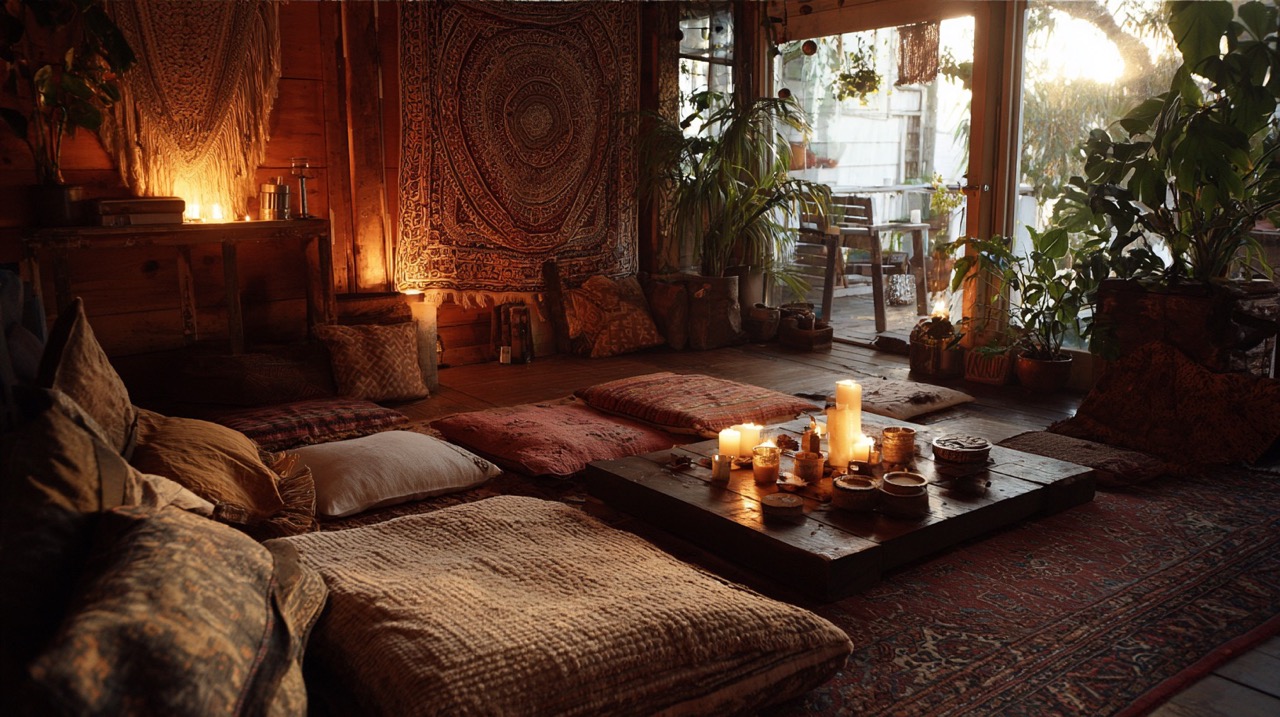
Rapé & the Chakras: Translating Amazonian Wisdom
It’s important to speak with clarity:
Indigenous Amazonian tribes do not traditionally work with the concept of “chakras” as it’s known in yoga or tantric teachings.
When we in the West refer to “Rapé for the heart chakra” or “Rapé for the sacral chakra,” we’re making an interpretation:
-
We observe where in the body a particular blend seems to act — the head, chest, belly, pelvis…
-
We note the emotions and energies it evokes
-
And we translate that into the language of energy centers we are familiar with
So when we mention Rapé blends for the sacral chakra below, please understand: this is not an “official” list from indigenous shamans, but rather a respectful bridge between Amazonian tradition and our own understanding of subtle energy.
Types of Rapé Often Linked to the Sacral Chakra
Below are Rapé blends that — based on the experience of facilitators, therapists, and long-time users — are most often associated with the belly, pelvis, emotional body, and feminine energy.
Take them as invitations to explore, not as fixed rules.
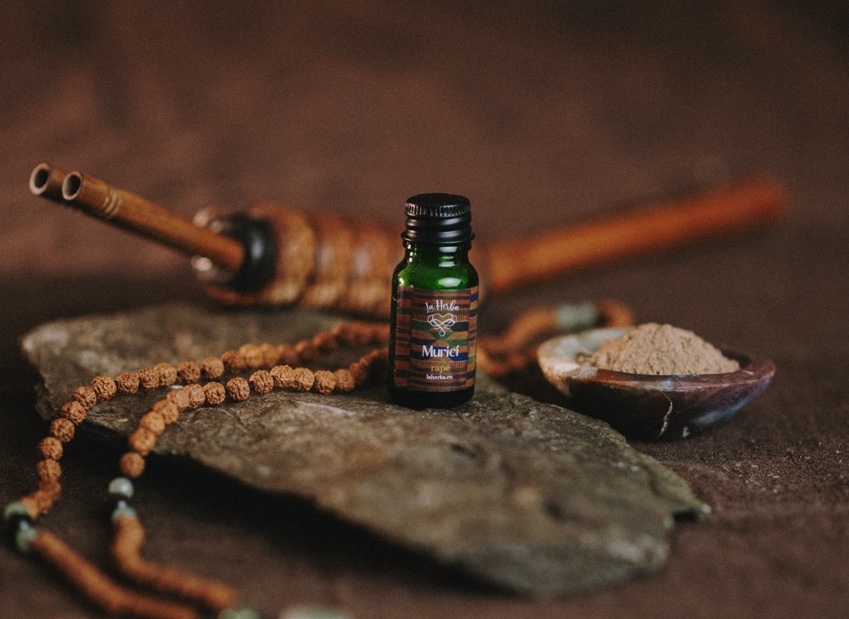
Murici – Clearing the Belly and Emotions
Murici Rapé is often described as a blend that gently works with:
-
The belly and sacral chakra area
-
Emotions stored in the pelvic space
-
Clearing the “inner room” where we may hold sadness, fear, shame, or unspoken words
Energetically, Murici is perceived as:
-
Grounding and strong, yet gentle
-
Helpful for releasing pressure in both the head and belly
-
Supportive for working with relationships, sexuality, and inner clarity
Murici is also commonly recommended in combination with other Rapé types — especially those that focus on the mind or third eye. One blend may help "clear the head," while Murici helps release what’s held in the belly.
Blends for Feminine Energy: Yawanawa Força Feminina, Nukini Rose, Mulateiro
The sacral chakra is deeply connected to feminine energy – regardless of gender. It holds the qualities of:
-
Receiving
-
Creating
-
Transforming
-
Feeling and expressing from the center of the body
That’s why blends carrying the spirit of “feminine medicine” are often linked with the sacral chakra.
Created by the women of the Yawanawa tribe (in various versions, depending on the maker), this blend is associated with:
-
Opening the heart, sacral chakra, and third eye
-
Supporting intuition, soft sensuality, and creativity
-
Healing feminine themes – self-love, body connection, and cyclic wisdom
Especially recommended for:
-
Women’s circles, cacao ceremonies, or gentle rituals
-
Working through intimacy wounds or self-worth challenges
-
Those seeking to connect with the sacral chakra gently and consciously – not with a hammer, but with grace
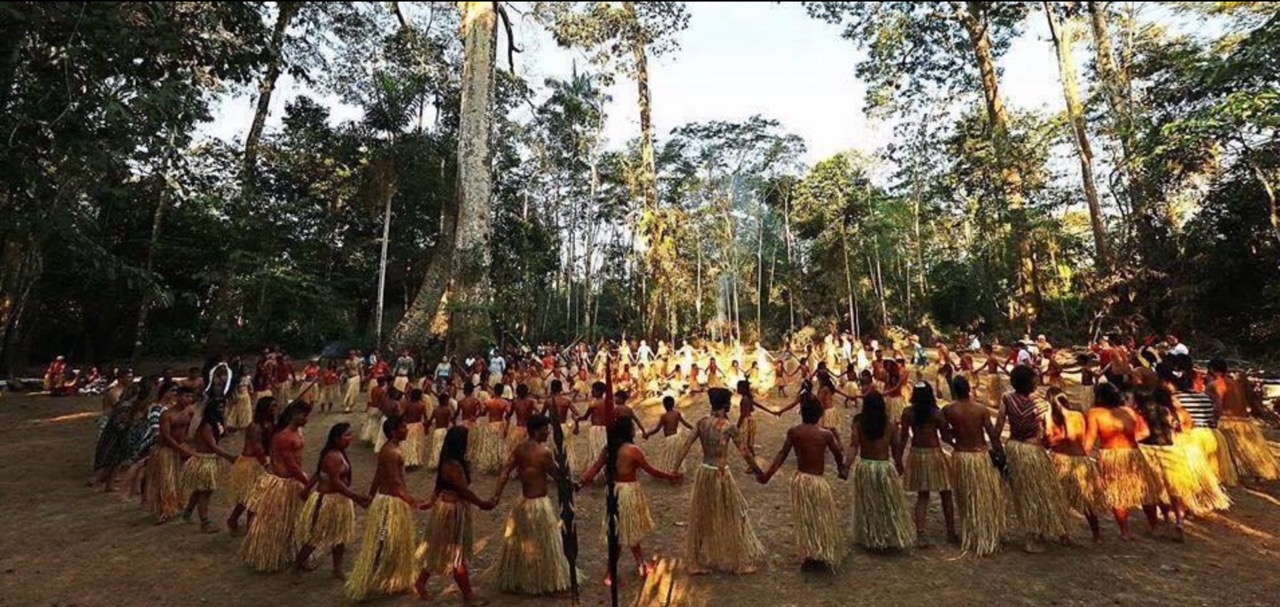
Nukini Rose (Rosa)
This blend combines traditional ash (often Tsunu) with the gentle energy of rose and water. It’s often described as:
-
A Rapé of self-love, tenderness, and emotional cleansing
-
Supporting both the heart and sacral chakras
-
Especially nurturing for women – but also valuable for men who wish to reconnect with the feminine within
Ideal for:
-
Meditation, soft rituals, and emotional work
-
Creating a safe space for inner healing and sensitivity
Yawanawa Mulateiro
Mulateiro is a sacred tree often linked to:
-
Joy, passion, and zest for life
-
The ability to feel pleasure and reignite the inner flame
The Yawanawa Mulateiro blend is seen as a Rapé that supports:
-
Sacral chakra activation – pleasure, creativity, emotional warmth
-
Also the heart and third eye, helping passion stay rooted in intuition and love
It’s a beautiful blend for those seeking to reconnect with their inner fire in a balanced and heart-centered way.
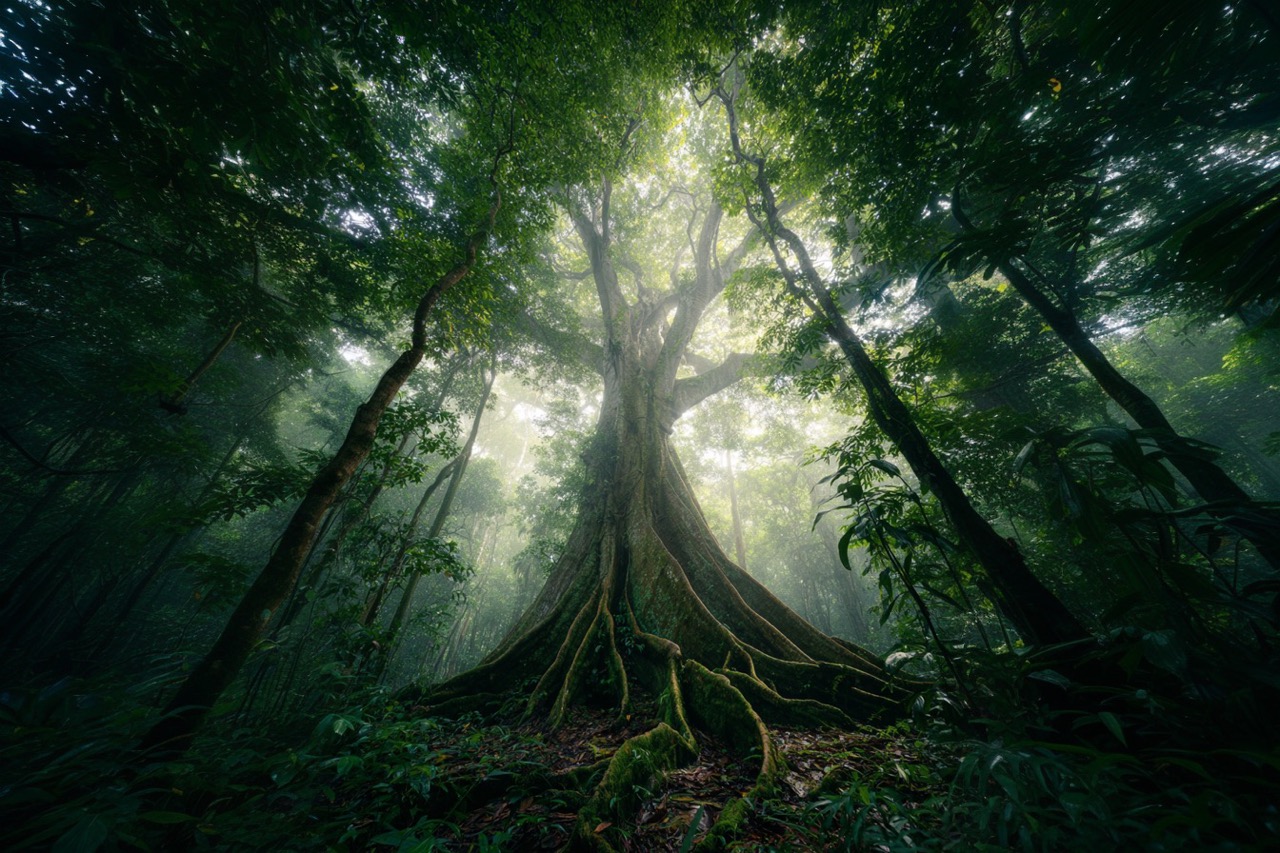
Deeper Ceremonial Blends: Samauma, Canela de Velho, 7 Ervas
Some Rapé blends connect with the sacral chakra in a very deep and powerful way — and are generally recommended for more experienced practitioners.
Samauma Hapé
Known as the “Mother of all trees”, Samauma is often described as:
-
A sacred blend for the womb, ancestral feminine lines, and deep emotional work
-
Powerful and profound, often used in deep ceremonies
-
Not ideal for casual or everyday use — it calls for presence, space, and deep intention
Canela de Velho (Caneleiro)
Many facilitators report this blend working across both the sacral and solar plexus chakras, supporting:
-
Personal power
-
Will, passion, and purposeful action
-
Deep emotional strength and alignment with inner fire
7 Ervas / Jaguar Nukini
Multi-herbal blends often used for:
-
Root + sacral chakra cleansing
-
Releasing fear, clearing old patterns
-
Shadow work and emotional detox
These blends can be beautiful and transformative tools, but only if you:
-
Have experience with the medicine
-
Respect the dosage and the spirit of the plants
-
Create a safe space and allow time for integration afterward

Conclusion: Rapé as a Bridge Between Body, Emotions & Soul
The sacral chakra is where life’s richness gathers — a meeting point of:
-
Joy and vitality
-
Creativity and sensuality
-
Our deep inner “yes” and sacred “no”
-
The body’s memory of touch, experiences, pleasures, and wounds
Rapé does not “fix” anything by itself. But it can:
-
Quiet the noise of the mind
-
Illuminate what is held in the belly and pelvis
-
Help release emotions that no longer serve
-
Open space for softness, joy, and authenticity
When approached with humility, clear intention, and respect for the plant spirit, Rapé becomes a beautiful guide — a gentle companion on the path to healing our sacral energy. And through that, reconnecting with our body, our joy, and our capacity to love.
Haux e mta alegria!
Author: Jorge
ETHNOBOTANICAL SAMPLE - NOT FOR INTERNAL USE
This natural product is offered solely for its ethnographic, historical, and cultural value. It is a raw botanical sample, intended for scientific, educational, and research purposes. It is not intended for ingestion, inhalation, smoking, or any other form of internal use. All information provided about this product is for historical and educational purposes only and must not be interpreted as a recommendation for any specific use. The product is supplied without any express or implied warranty of suitability for any purpose. The use and handling of this product are entirely at the discretion, responsibility, and risk of the buyer. More in our Disclaimer.
Rapé FAQ
La Herba · Collection guide
Rapé FAQ
Origin, ingredients, choosing a blend and important context in one place.
Rapé has an origin, a context and a character. This guide helps you explore...
Nukini Tribe
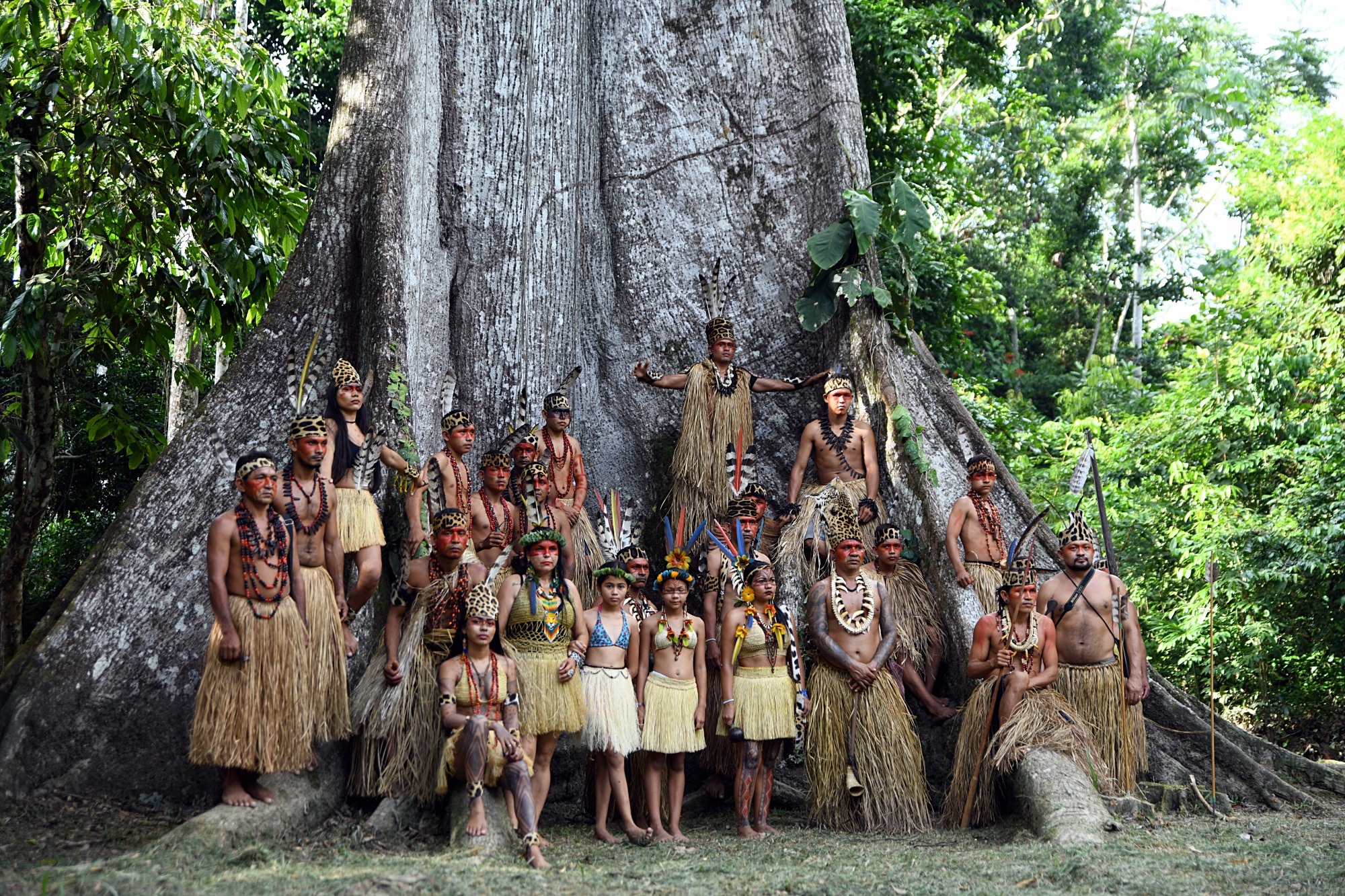
The Nukini tribe, often called the "People of the Jaguar," ranks among the most resilient indigenous groups inhabiting the Brazilian state of Acre, deep in the heart of the Amazon rainforest. Th...
Fulni-ô tribe
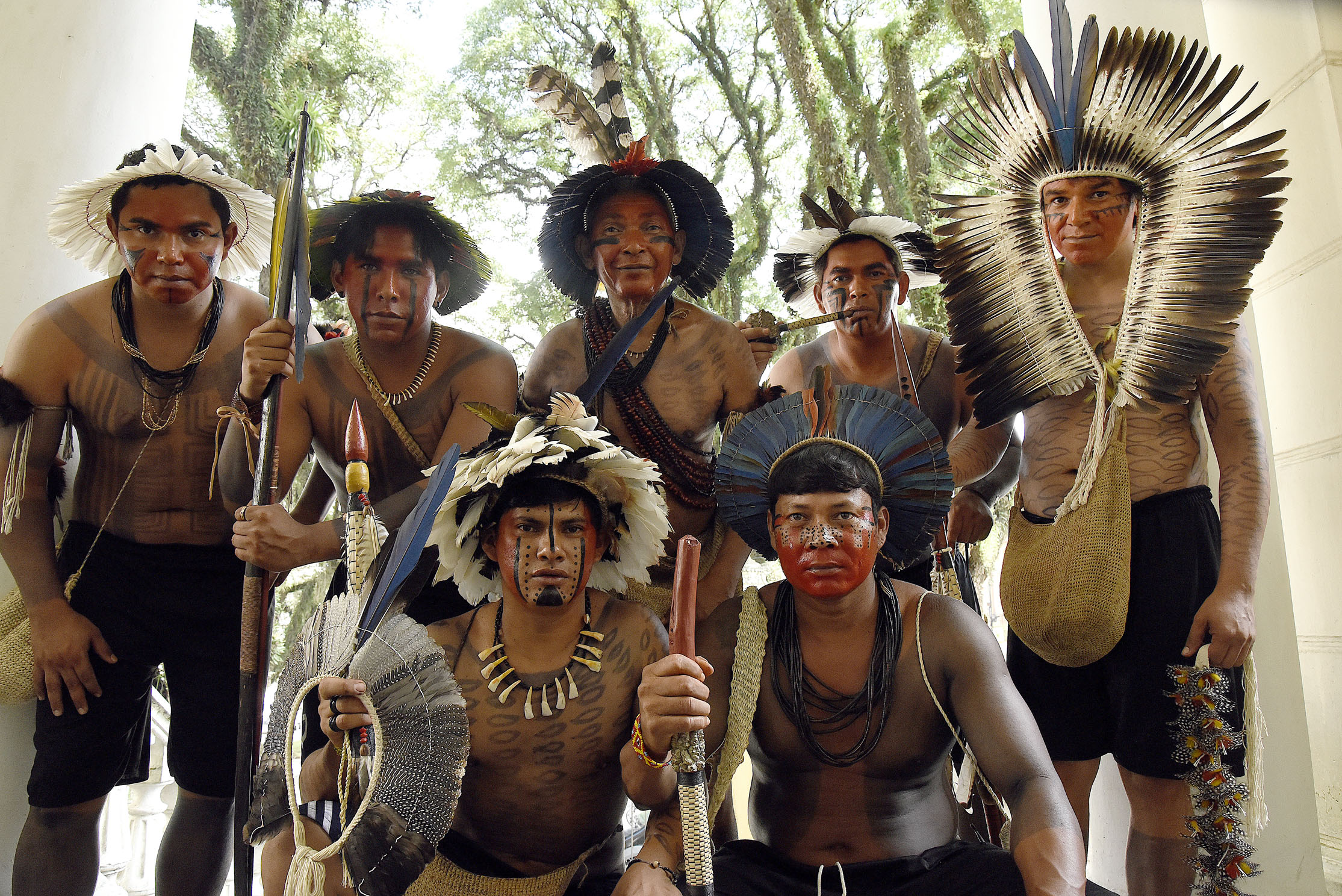
Meet the Fulni-ô: Guardians of Sacred Tradition in Brazil's Northeast
The Fulni-ô is the only indigenous group of Northeastern Brazil that was able to keep its language – the Ia-tê – alive an...
Katukina (Noke Koi) tribe
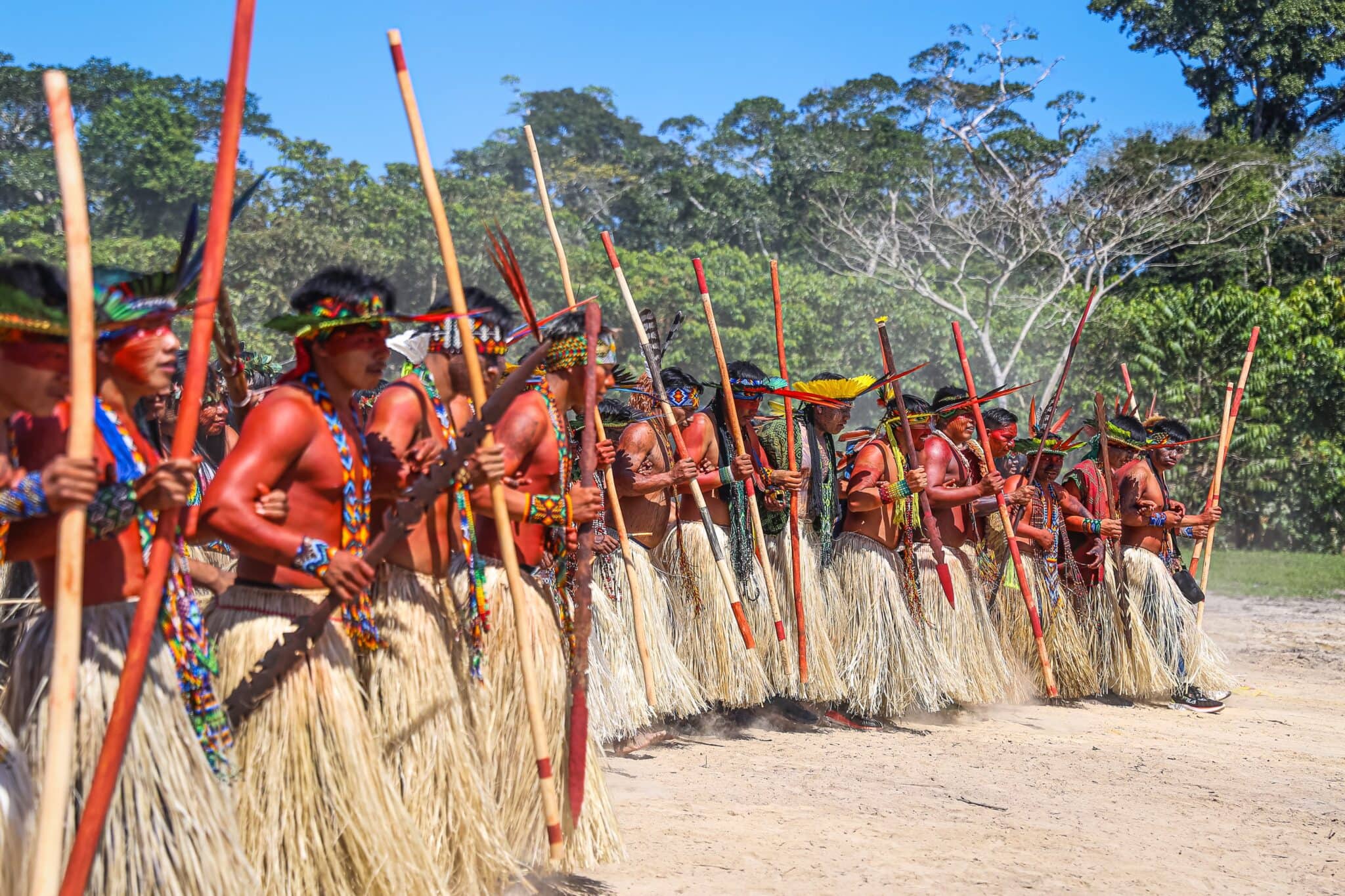
On the border of the Brazilian states of Acre and Amazonas, along the Campinas and Gregório rivers, lives an indigenous nation known to the outside world as the Katukina. They themselves never used...