
Rapé FAQ
La Herba · Collection guide
Rapé FAQ
Origin, ingredients, choosing a blend and important context in one place.
Rapé has an origin, a context and a character. This guide helps you explore the collection with more clarity.
Getting started
The essentials
What is Rapé / Hapé?
Rapé is a traditional powdered preparation crafted by indigenous communities of the Amazon basin, primarily in Brazil, Peru and Colombia. It belongs to cultural and ceremonial traditions of the region.
Does Rapé go by other names?
You may also see it written as rapeh, hapé, hapeh or ruma. The spelling depends on the community, language and transliteration used.
Who makes Rapé?
Rapé is often prepared by experienced members of indigenous communities. In some traditions this includes men, Pajés or elders; there are also exceptions, such as Força Feminina blends created by women of the Yawanawá community.
Choosing a blend
How to choose Rapé
Why do some blends feel more pronounced than others?
The character of a blend can vary with its ingredients, type of ash, fineness of the powder, freshness and overall strength. A stronger blend is not better or worse — it simply has a more pronounced character.
How do I choose Rapé for the first time?
Start with a blend marked Regular rather than Strong. Read the product description and consider its origin, ingredients and overall character. Product tags are there to help you compare blends, not to promise a specific result.
What do product labels and strength levels mean?
Light, Regular, Strong and Very Strong describe the overall intensity and character of a blend.
Tags such as Grounding, Ceremonial, Heart or Cleansing describe a traditional character or intention associated with a blend. They are not medical claims or guarantees of a specific effect.
Origin and ingredients
How a blend is made
How is Rapé prepared?
Traditional preparation involves drying, fine grinding and repeated sifting of selected plant materials and ash from wood or tree bark. The result is a very fine powder. It is demanding handwork that can take several days.
What is Rapé made of?
Many traditional blends are based on Mapacho. It can be combined with ash from trees such as Tsunu, Murici, Cumaru, Caneleiro, Pau Pereira or Mulungu. Recipes may also include other plant materials, herbs or seeds.
Does all Rapé contain Mapacho?
No. Many traditional blends contain Mapacho, but there are also Mapacho-free preparations. Ingredients always depend on the individual blend and its maker.
Important information
Use and storage
Are there risks associated with Rapé?
Yes. Rapé is not suitable for everyone, and the experience may not always be comfortable. Burning in the nose, watery eyes, sneezing, nausea or headache may occur.
If you feel unwell, stop using it. Many blends contain Mapacho and, with it, nicotine.
Do not use Rapé containing Mapacho during pregnancy or breastfeeding. If you have a medical condition, take medication or are unsure whether use is appropriate for you, consult a qualified healthcare professional.
Is Rapé addictive?
Many Rapé blends contain Mapacho and, with it, nicotine. Nicotine can lead to dependence, so it is important to be mindful of your own relationship with use and avoid approaching it mechanically or compulsively.
Will Rapé appear in a drug test?
Standard tests focused on illegal substances do not usually test for nicotine, but testing panels vary.
How long does Rapé stay fresh?
When kept in a tightly sealed container in a dry, dark and cool place, a quality blend can retain its aroma and character for several months.
Cultural context
Traditions and meanings
What is the traditional purpose of Rapé?
In different Amazonian traditions, Rapé is used in ceremonial and cultural settings. It may be associated with focus, grounding, prayer, intention and quiet reflection.
What does Panema mean?
Panema is a concept from Amazonian traditions. It can describe spiritual stagnation, heaviness or unfavourable energy as understood by certain communities. In this cultural context, Rapé may be associated with the symbolic clearing of Panema.
What are Kuripe and Tepi?
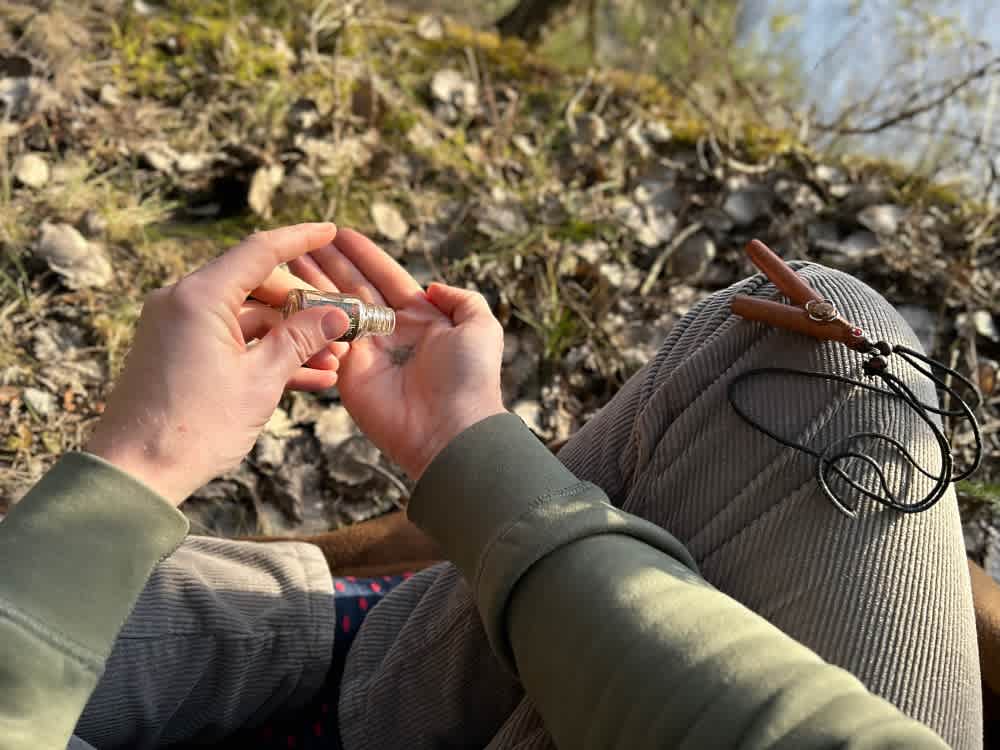
Kuripe is a small V-shaped pipe traditionally associated with self-application, while Tepi is a longer straight pipe traditionally used when Rapé is offered to another person in a ceremonial context.
Why do people say "Haux Haux"?
Haux Haux is an expression used in some Amazonian communities, including Huni Kuin and Yawanawá. It can express respect, affirmation, gratitude or intention in a ceremonial context. Its meaning may vary by community and situation.
Would you like to learn more about the origins and traditions of Rapé?
Read our guide or explore the full collection.
Haux e muita alegria!
Disclaimer
The Frequently Asked Questions (FAQ) and cultural information provided on this page are intended strictly for educational, historical, and ethnographic research purposes. La Herba does not provide medical advice, diagnosis, or treatment. The traditional Amazonian uses, rituals, and effects described herein are rooted in indigenous cultural heritages and have not been evaluated or approved by any medical authority.
What Is Sananga? Complete Guide to Traditional Amazonian Use
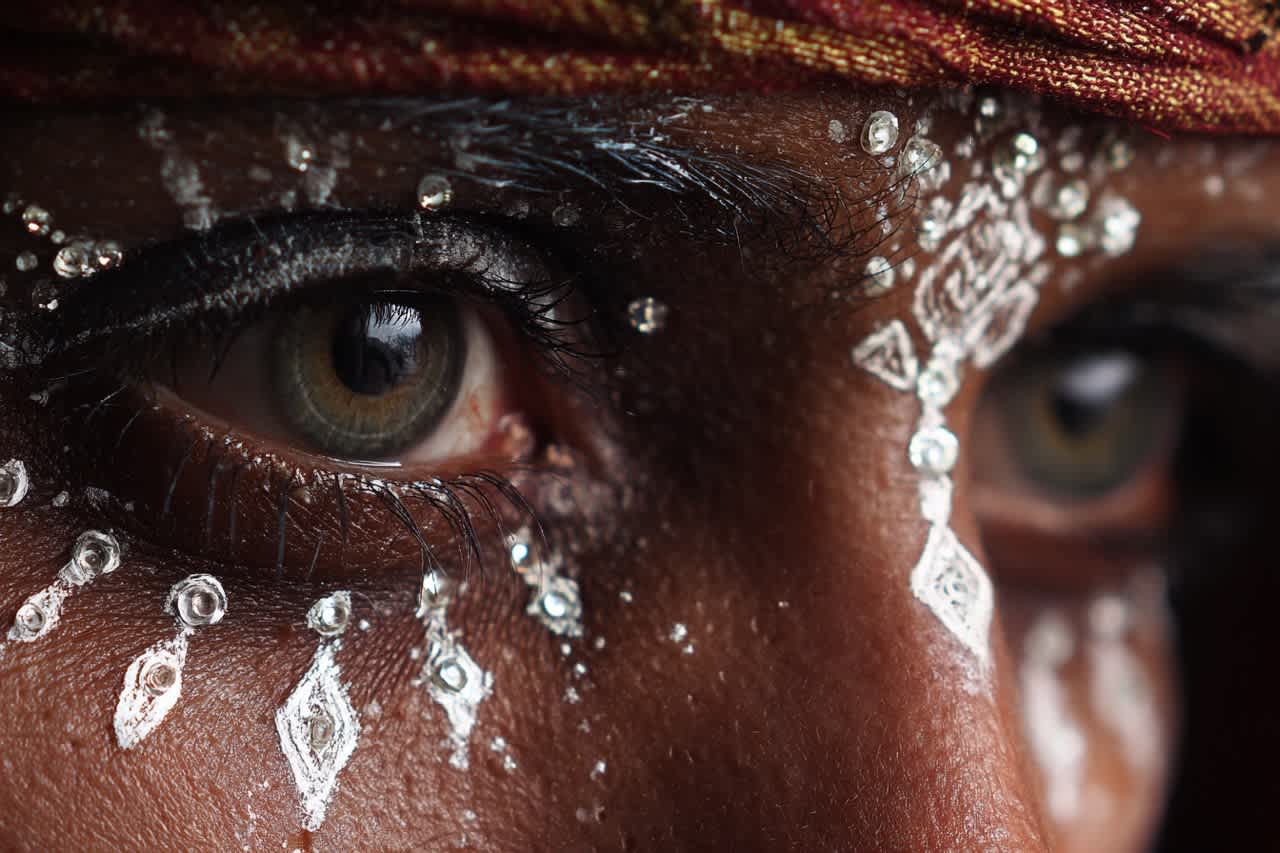
Sananga is a traditional Amazonian plant preparation associated primarily with the roots and root bark of plants belonging to the Tabernaemontana genus. In different traditions of the western Amazo...
Chilcuague - Aztec Gold Root
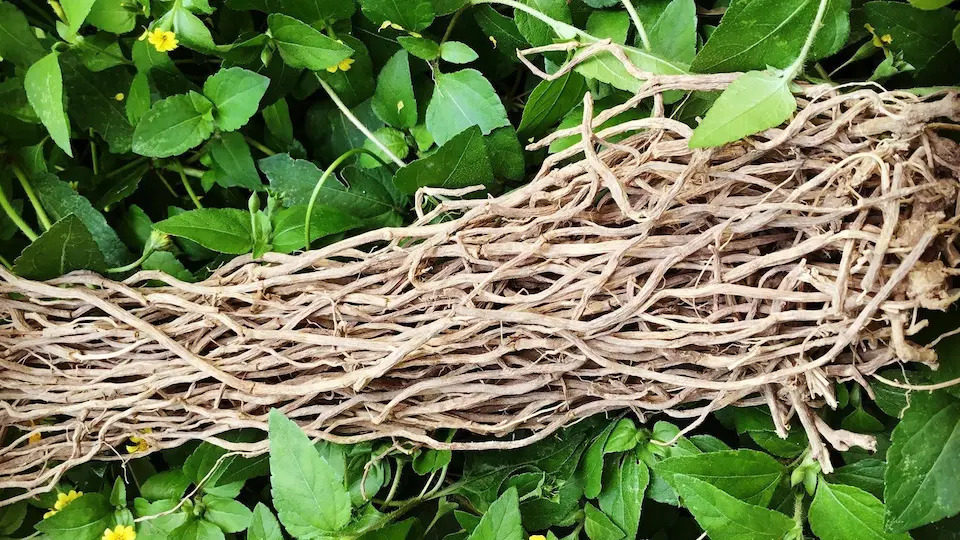
Chilcuague, also known as Heliopsis longipes or "Aztec Gold Root," is a medicinal plant native to central Mexico, particularly the Sierra Gorda region. Its root has been traditionally used for its ...
Katukina (Noke Koi) tribe
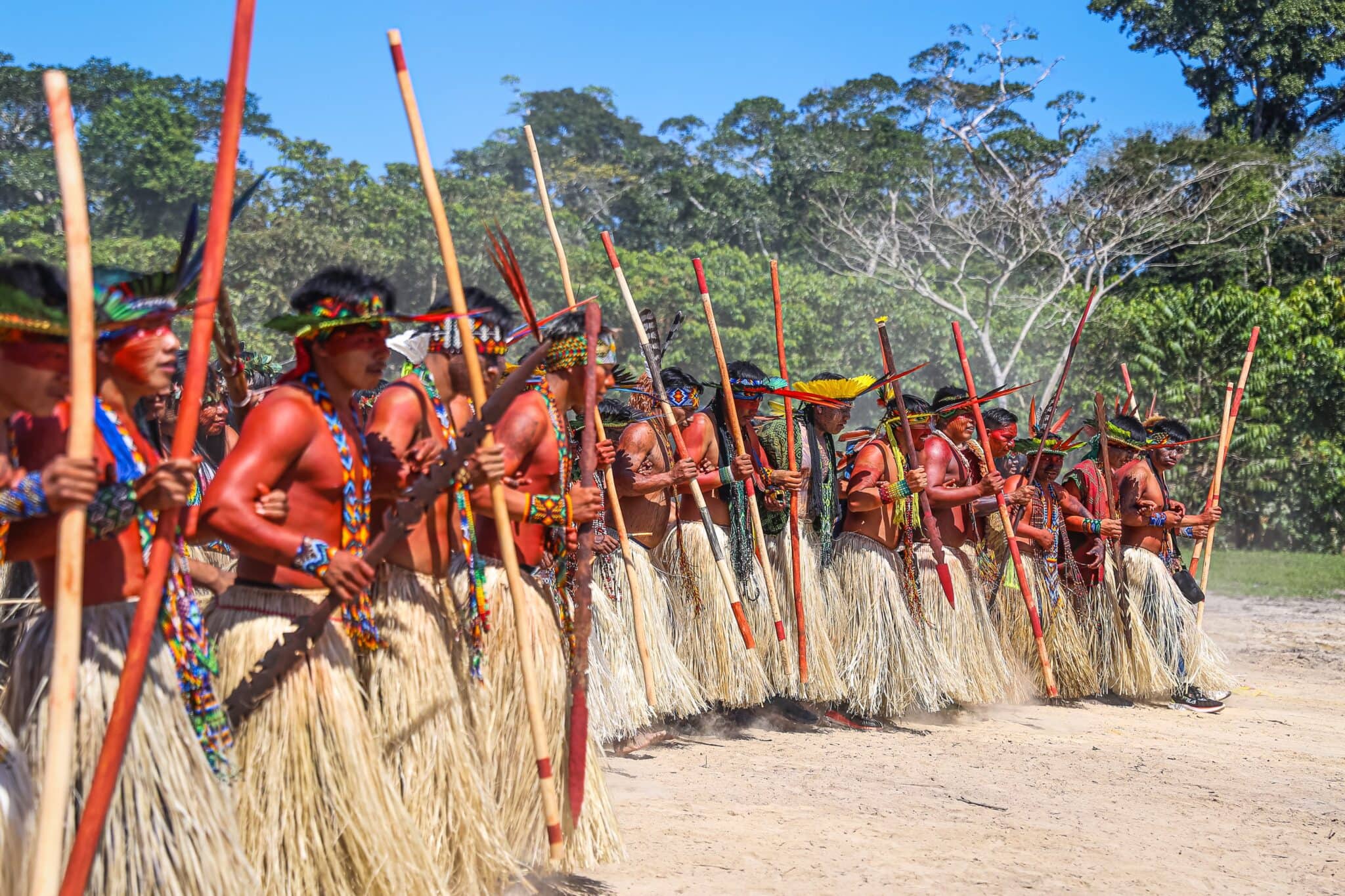
On the border of the Brazilian states of Acre and Amazonas, along the Campinas and Gregório rivers, lives an indigenous nation known to the outside world as the Katukina. They themselves never used...
Dragon’s Blood – A Natural Treasure from the Amazon
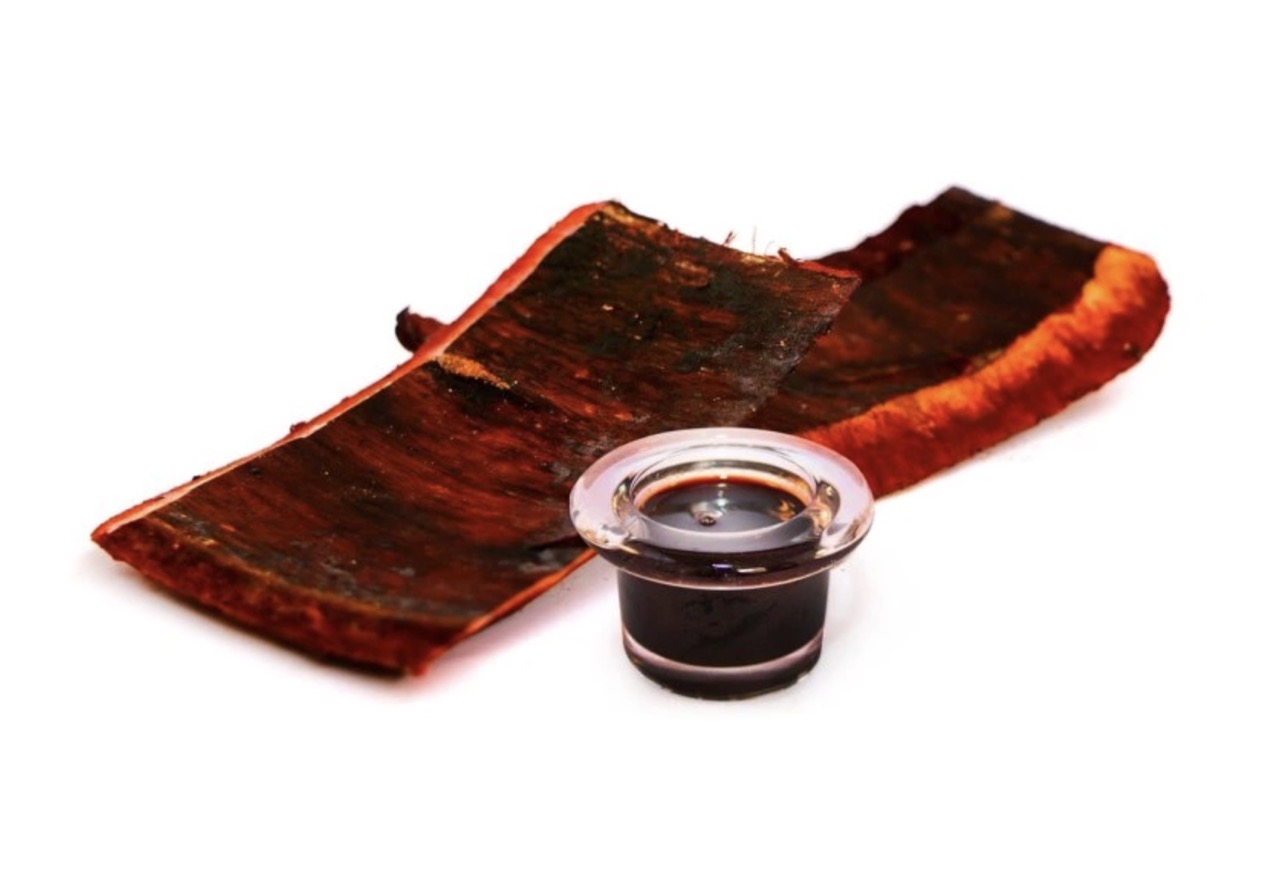
Dragon’s Blood is a rare and powerful resin hand-harvested from wild-growing trees deep in the Peruvian rainforest. It comes from the Croton Lechleri tree, also known as Sangre de Drago or Sangre d...