
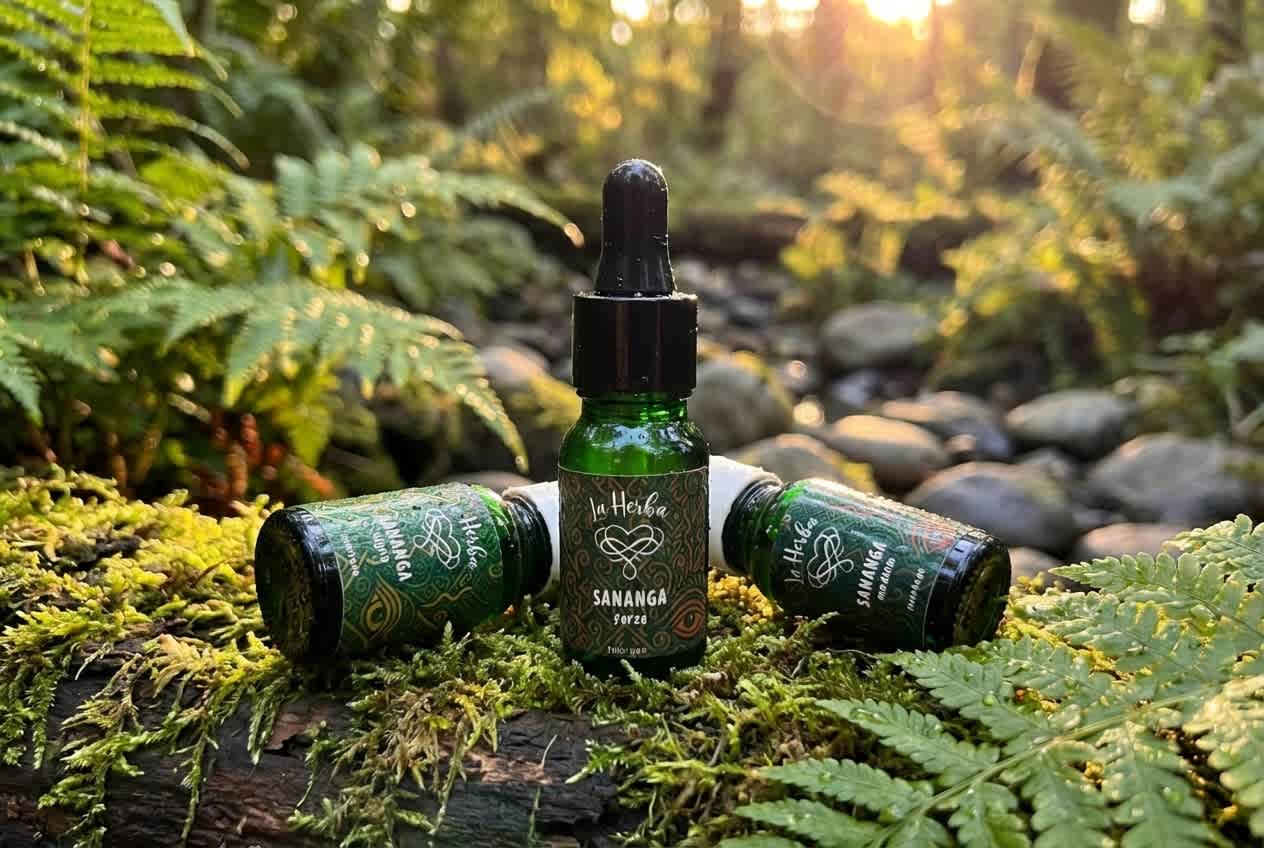
Sananga FAQ
How long do the effects of Sananga last?
The intense sensations following application usually last for a few minutes. In traditional contexts, some users also describe a sense of mental clarity or relaxation after the intense phase has passed. The experience is highly individual.
How often can I use Sananga?
In traditional contexts, users describe different patterns of use, for example every other day, while some experienced users use Sananga more frequently. It is highly individual. Personally, I use Sananga when I feel that the medicine is calling me, although I have also gone through periods when I used it every day.
How often can I use Sananga?
Lets say it is recommended every other day. Some advanced users apply 2x daily.
Can I use Sananga with contact lenses?
No. Remove contact lenses before application.
How long will one bottle last?
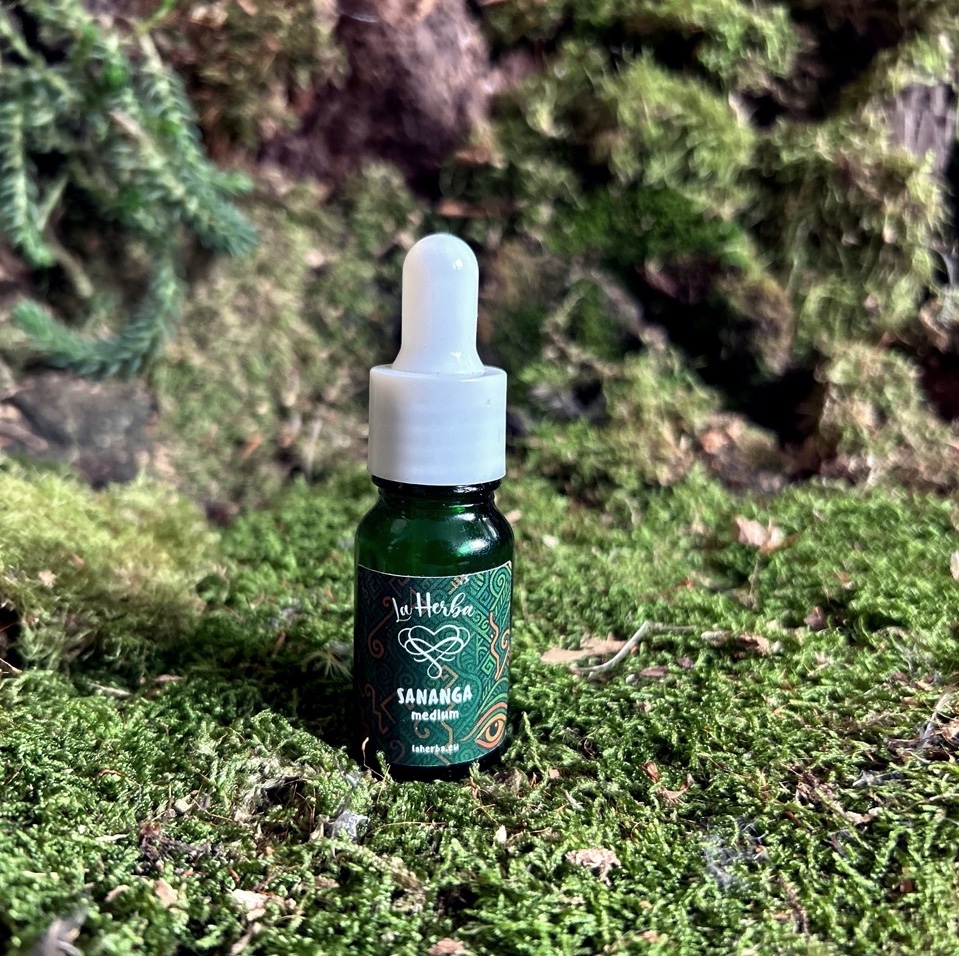
A 10 ml bottle lasts approximately 3 months with use every other day.
Can I dilute Sananga?
Yes, if needed, use pure mineral water.
Is Sananga safe?
Sananga is a traditional Amazonian medicine used for centuries. It is not a medicine or medical device. For any health problems, consult a doctor.
What is Sananga?
Sananga is a traditional Amazonian substance prepared by macerating roots of plants from the Apocynaceae family. It originates from the Brazilian state of Acre, where indigenous tribes have used it in spiritual and ritual contexts for centuries.
What is Sananga traditionally used for?
Amazonian hunters used it to improve night vision and visual acuity in the jungle. In shamanic traditions, it serves to open inner vision, remove energetic blockages, and as part of spiritual ceremonies. It is often combined with other products like Rapé.
How does Sananga affect perception?
According to indigenous people, Sananga promotes sharper perception of surroundings and more vivid colors. Some tribes believe it enhances contrasts in nature, which helps better perceive movement and changes in the environment. It is a way to support the body and mind's natural abilities.
Is Sananga a medicine or medical device?
NO. Sananga is not a medicine or medical device. It is a traditional Amazonian substance used in ritual and spiritual contexts, not for therapeutic purposes.
Is Sananga safe?
When used correctly and respecting contraindications, yes. However, it is important to:
- Not use during acute eye diseases
- Seek medical attention for persistent problems
- Remove contact lenses before application
- Consult with a specialist if in doubt
Who should not use Sananga?
Sananga is contraindicated for:
- Acute eye infections
- Eye injuries
- Conditions requiring medical care
- While wearing contact lenses
What does Sananga contain?
It contains numerous alkaloids with antibacterial properties. The specific composition varies depending on the plant species and preparation method. Our product is 100% natural, without preservatives or additives.
Where does your Sananga come from?
Our Sananga comes directly from Acre, Brazil, where it is prepared traditionally by macerating fresh roots. We work with suppliers who maintain authentic traditional preparation methods.
Can Sananga be combined with other Amazonian products?
Yes, in traditional rituals, Sananga is often combined with Rapé and other Amazonian medicines as part of complex ceremonies.
How should one approach using Sananga?
Always with respect, moderation, and reverence for the Amazonian tradition. Sananga requires courage, an open heart, and awareness that it is a tool for spiritual practice, not a common product.
Haux e muita alegria!
Author: Jorge
DISCLAIMER - ETHNOBOTANICAL SAMPLE
This natural product is offered exclusively as an ethnobotanical sample for ethnographic, historical, cultural, educational, and research purposes. It is not intended for ingestion, inhalation, smoking, or any form of internal or medicinal use. Handling and use are entirely the responsibility of the purchaser. Further details can be found in our Disclaimer.
Shawãdawa (Arara) tribe
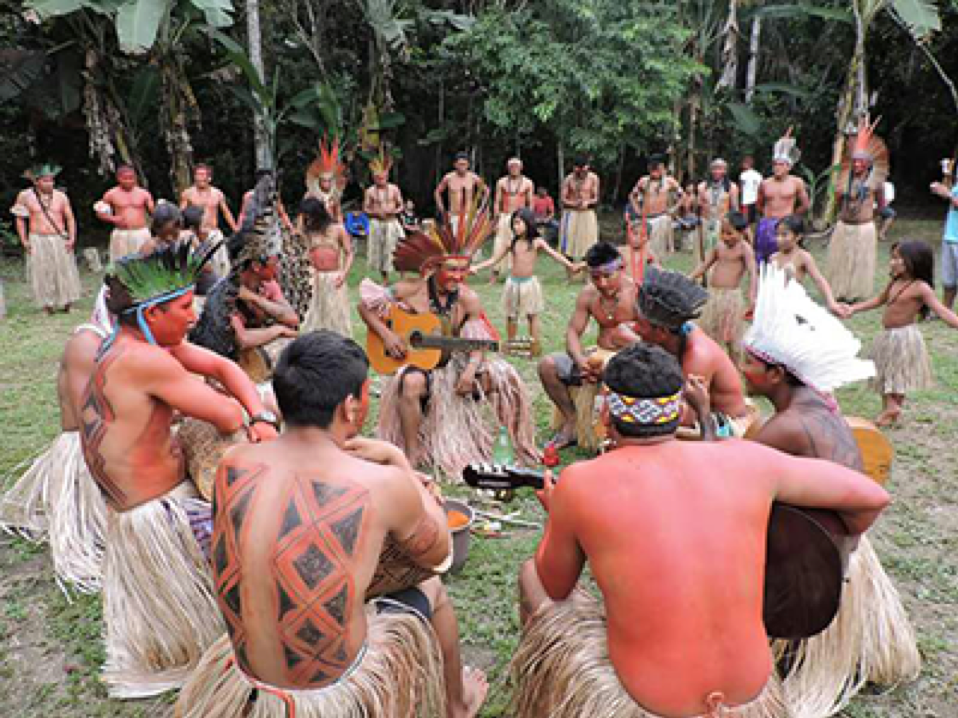
‘Shawa’ means the red parrot Ara and ‘dawa’ means family. Around 1940 the tribe was thought to have died out. In the 1970s, the government tried hard to reach out to them because a highway was bein...
Gratitude: What Happens in Your Brain and Heart When You're Thankful
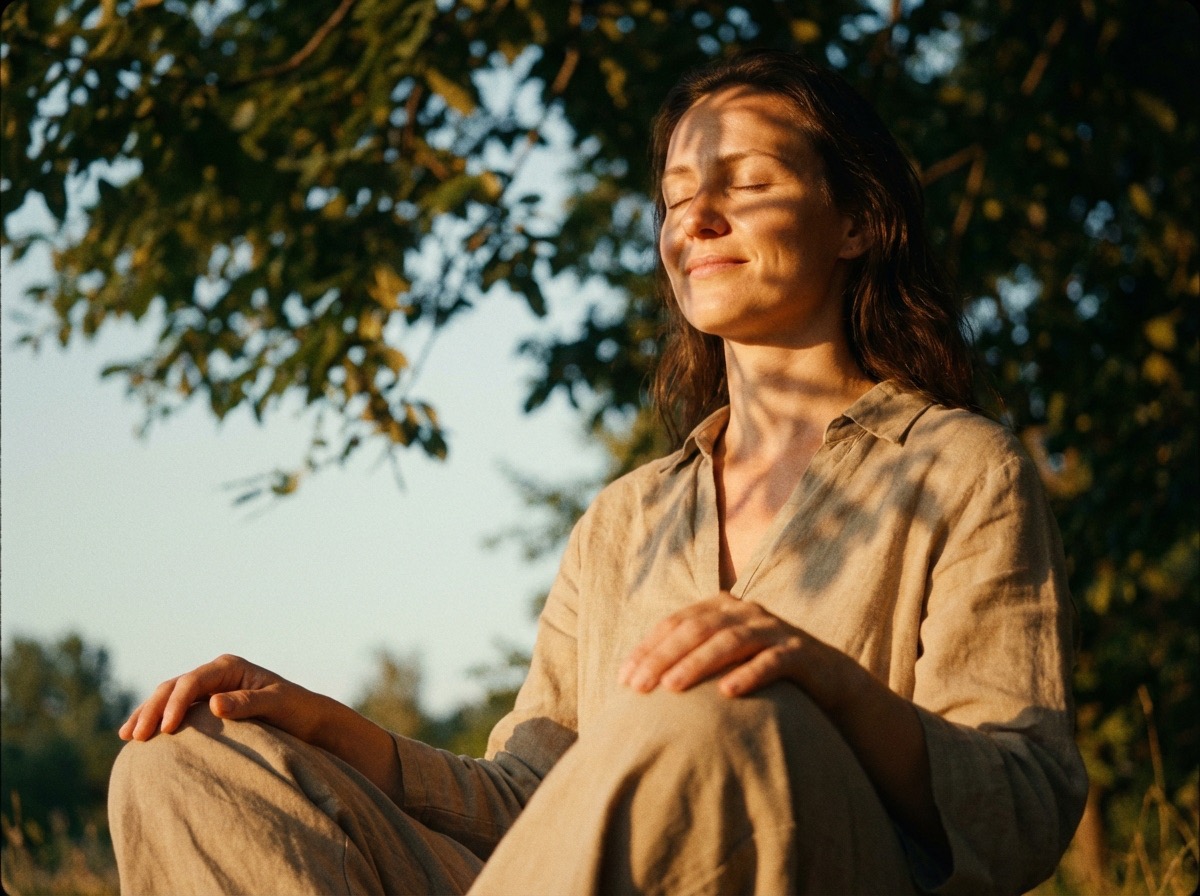
Some people feel genuinely happy with a glass of clean water. Others, despite having everything they need, find something to complain about every single day. Funny how that works, isn't it?
Mos...
Mulateiro "Tree of Youth"
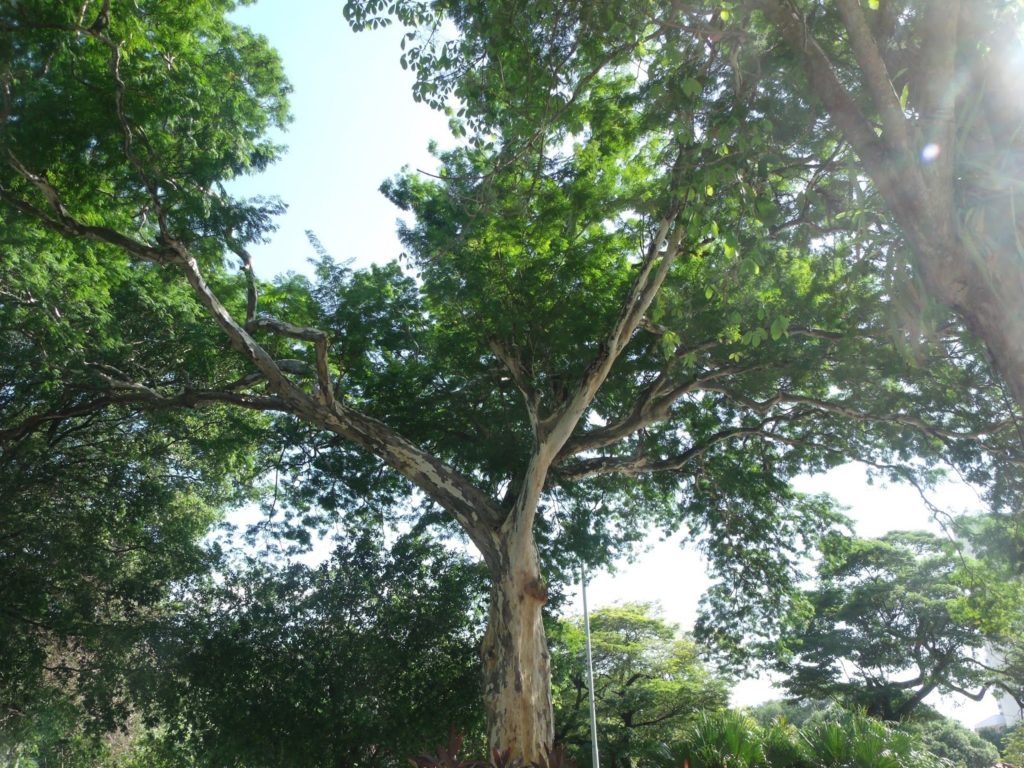
Mulateiro (Calycophyllum spruceanum) is a large tree with a height of 20 to 35 meters. It is a native plant of the tropical regions of the Amazon, including Colombia, Ecuador, Peru, Bolivia and Bra...
10 Possible Effects of Rapé
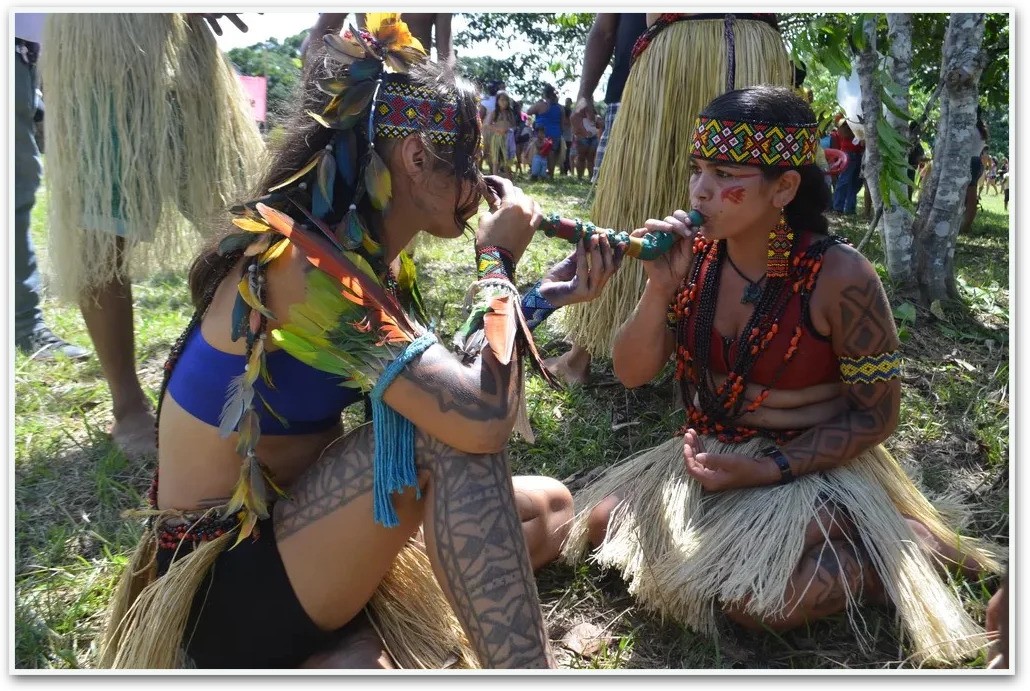
Rapé, a sacred botanical preparation rooted in indigenous traditions, is often used ceremonially as an incense or for nasal application. While it holds deep ethnographic and historical value, its u...