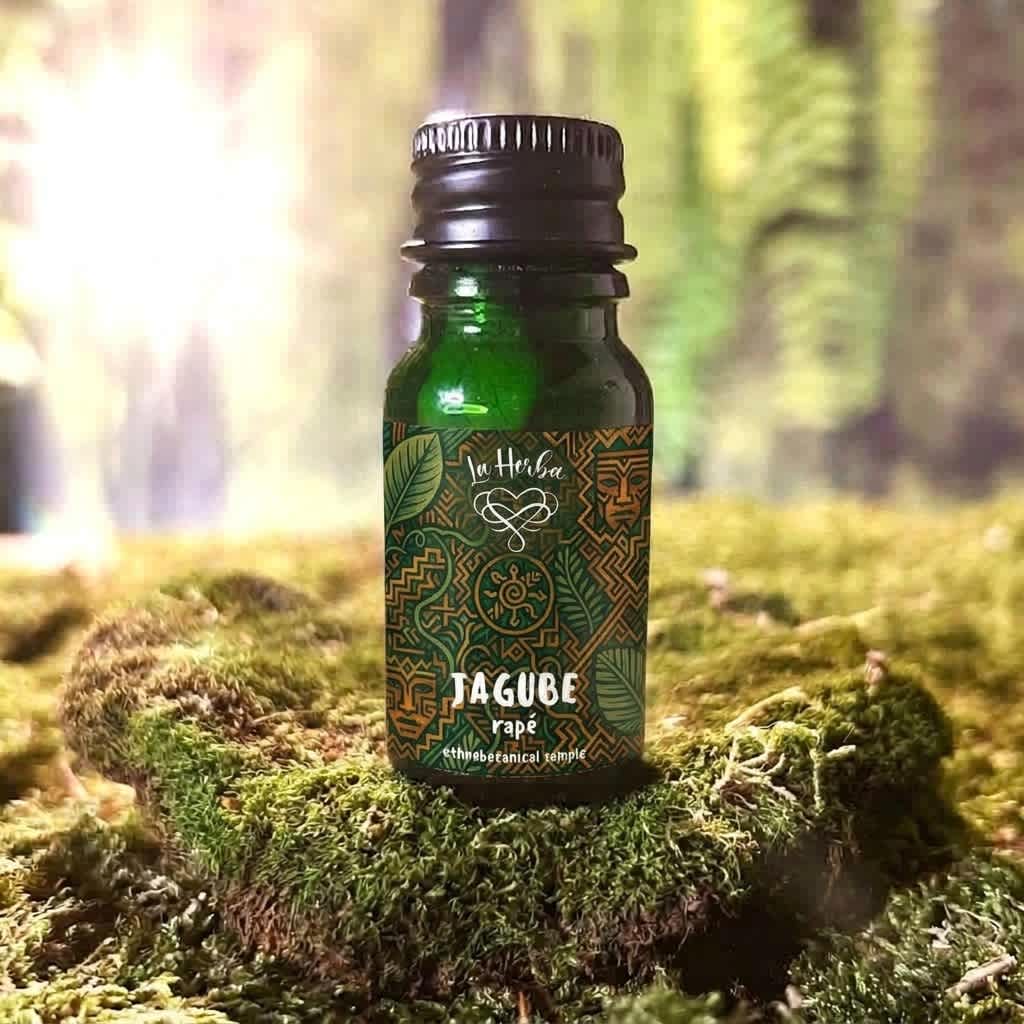
Puyanawa · ceremonial
Rapé Jagube
A ceremonial blend from the sacred liana Jagube – the “liana of souls”. In the tradition it is associated with ceremony, inner depth and the dream world.
View product
Login to your account
Create an account and enjoy benefits such as such as a personal profile for easier shopping, 5% off your purchases in our online shop and news straight to your inbox.
Help: You don’t need an account to place an order. Create an Account .
Forgot your password? Click RESET.
Create an Account
We are pleased that you have decided to register in our e-shop. Register and enjoy 5–10% off, faster checkout, and full order history with invoices. .
0 pc | 0.00 €
Shopping cart is empty.
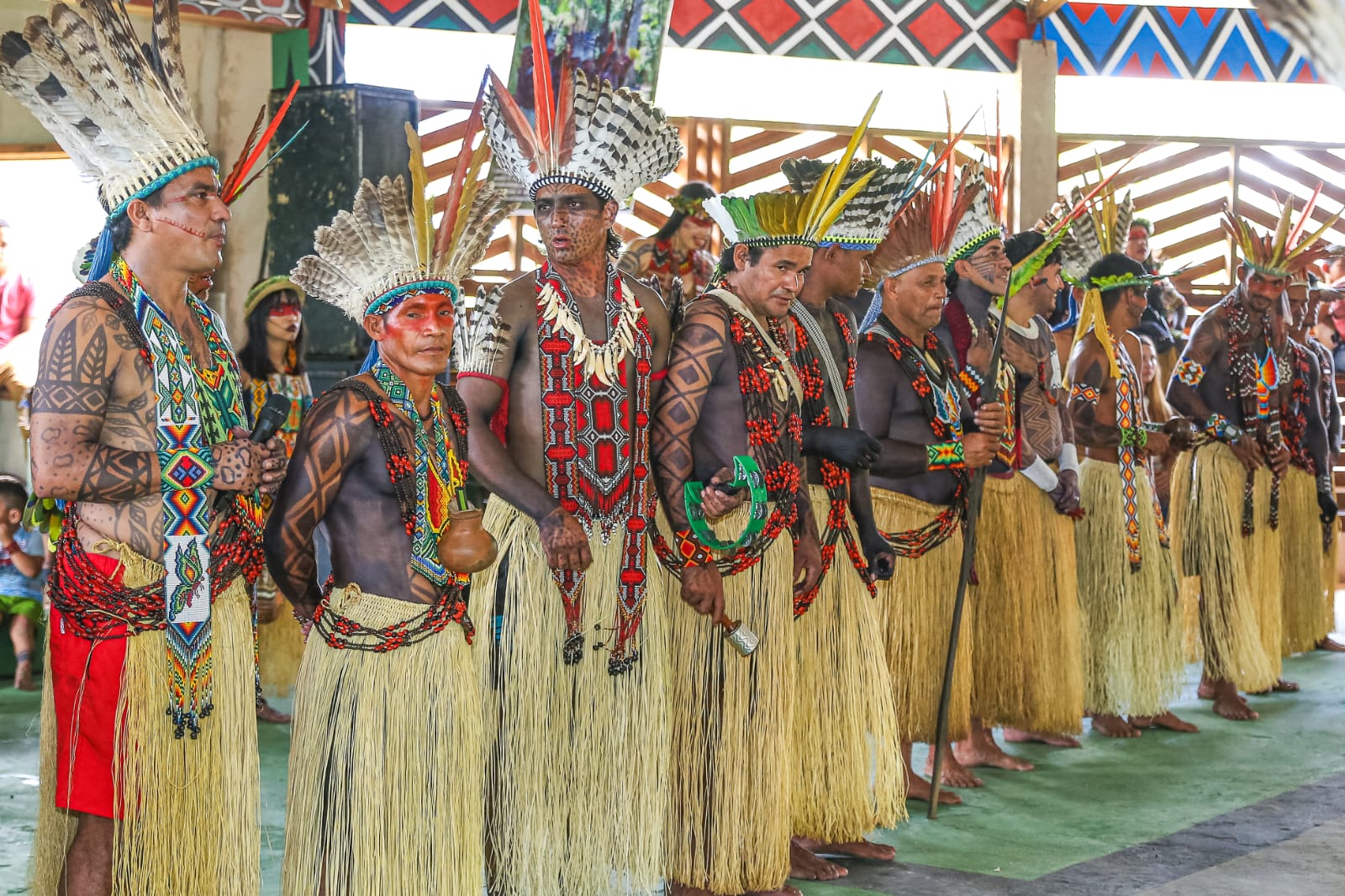
Indigenous peoples of the Amazon
According to the elders, their ancestors were born as tiny frogs in the rotting leaf of a palm. The Puyanawa survived rubber captivity, nearly lost their language and today bring it back to life together with their traditions.
The Puyanawa (also Poyanawa, Poianauas) live in the municipality of Mâncio Lima in the far west of the Brazilian state of Acre, near the Peruvian border and the Serra do Divisor National Park. They belong to the Pano language family, like their neighbors the Nukini, Huni Kuin and Yawanawá.
Their story is one of the most dramatic in all of Acre – and one of the most inspiring. A people who lived for decades in forced labor and were forbidden their own language has become a community with its own festival, dozens of craftspeople and young people who again compose songs in the language of their ancestors.
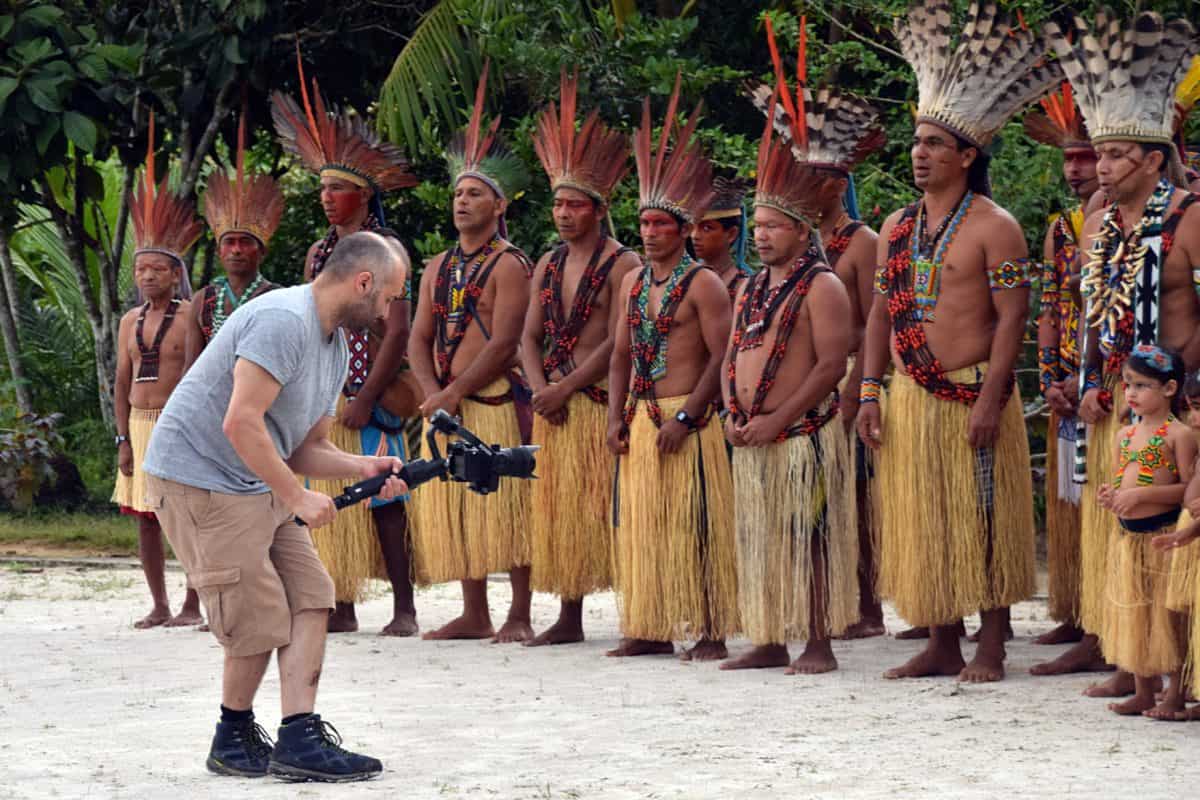
In this article
Identity
In the Pano languages puya is related to the frog and nawa means people. The Puyanawa are the “people of the frog” – sometimes also the “people of the big frog”.
For the Puyanawa the frog is a symbol of resilience, transformation and connection with the forest. Just as a frog passes from one form to another, their people have been transformed – from nearly vanished to alive again.
They call their language Ûdikuî – the “true language”. It belongs to the Pano family and is related to the languages of the Nukini, Huni Kuin and Yawanawá.
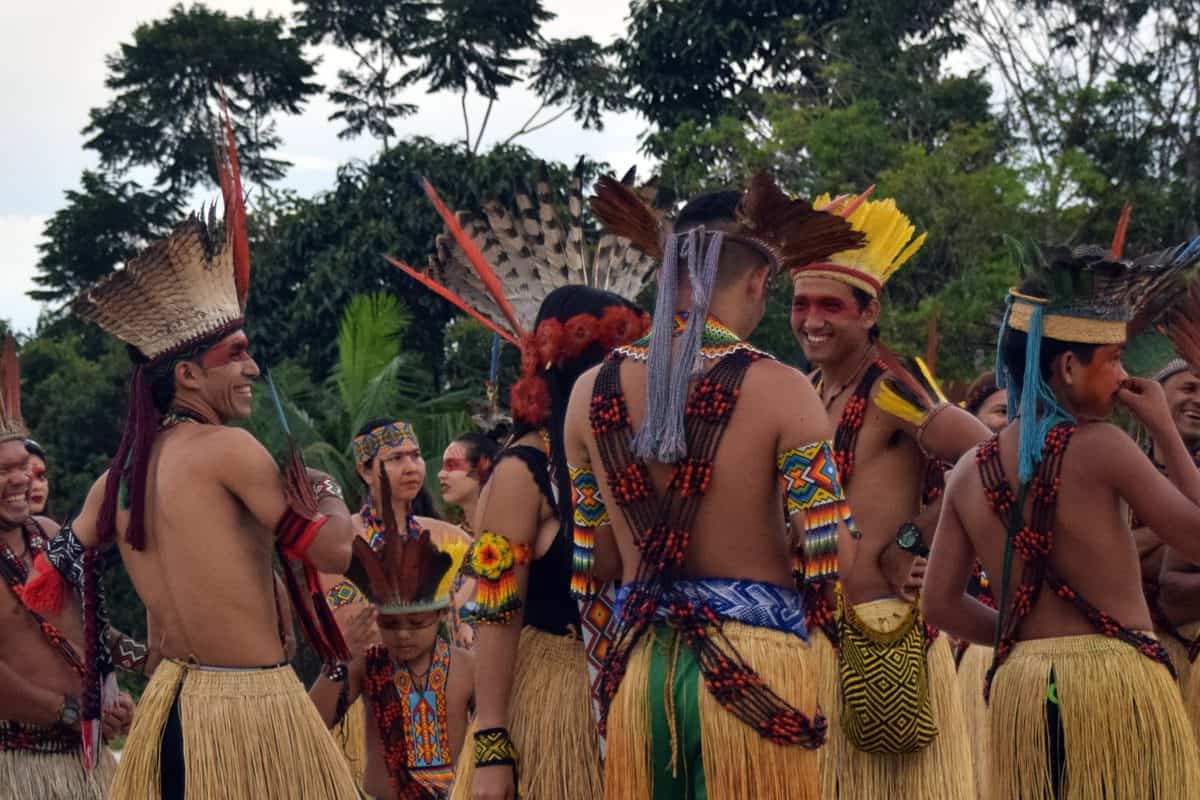
Cosmology
The Puyanawa elders say their ancestors were tiny frogs, born in the rotting leaf of the Capemba palm.
The frogs, called puyadawa, gradually took human form and learned to find everything they needed in the forest. In the beginning stood three ancestors: Irica, Puyawakêvu and Dukawa. At one point Irica fell apart – and from his body came all the beings of the forest, Dimãnã. The word still means the “forest” itself.
An interesting link: from the ash of the same palm, the Huni Kuin prepare the gentle Rapé Capemba. For the Puyanawa its leaf is the cradle of the whole nation.
Home
Acre
Brazil
Mâncio Lima
municipality
2
villages: Barão and Ipiranga
745
people (2014)
The Puyanawa live in the Poyanawa indigenous land in the municipality of Mâncio Lima, next to the Serra do Divisor National Park. They have two villages – Barão do Rio Branco and Ipiranga. Ipiranga is 28 kilometers from town by a permanent road; the other way is via the Môa river.
They demarcated their territory themselves in 1990 – without help from the state, with funds raised during a trip to Great Britain. It was officially confirmed in 2001. Their closest neighbors are the Nukini, who live in the same municipality. Read more in our article on the Nukini.
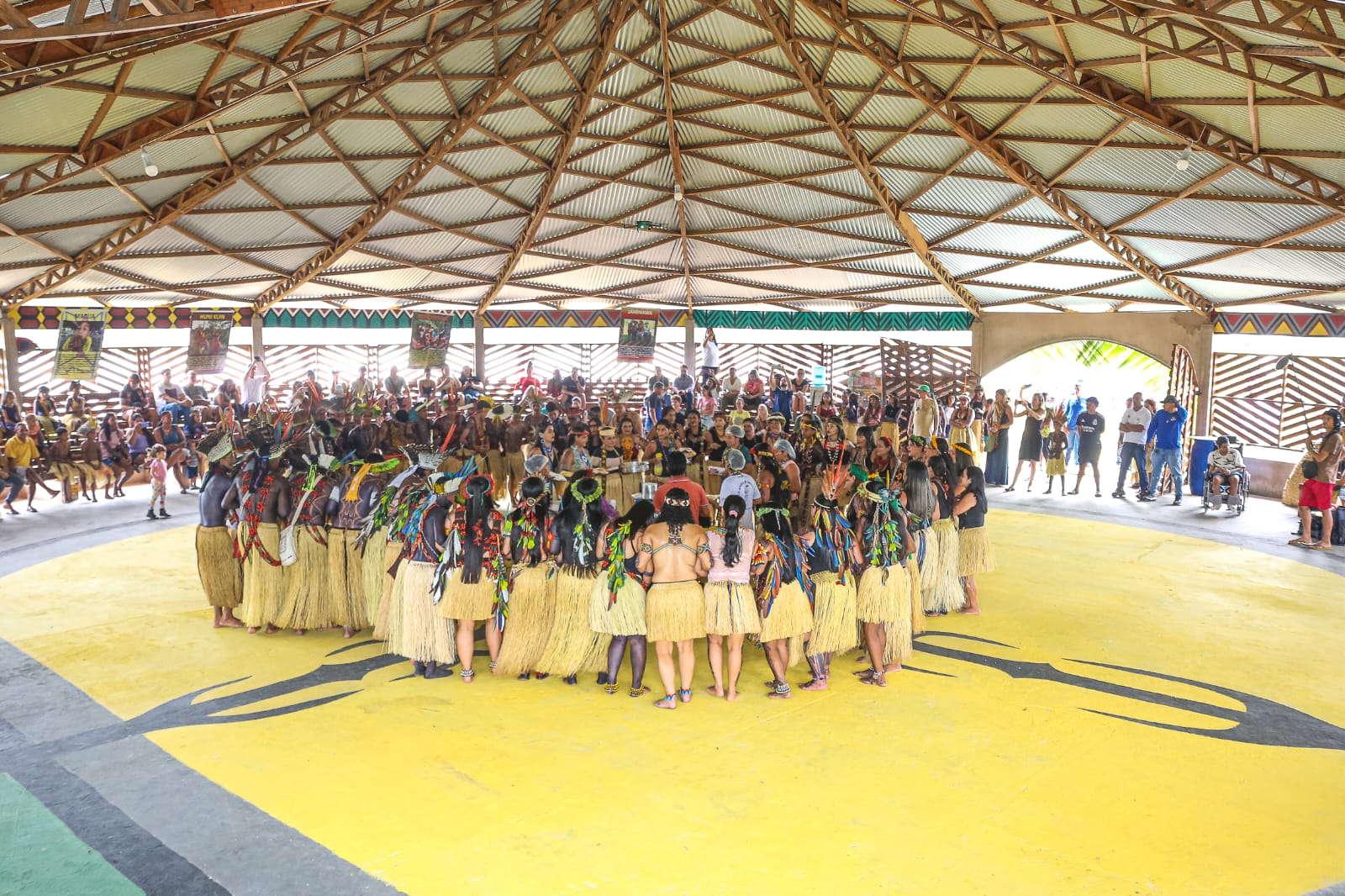
History
Rubber and caucho gatherers invaded Puyanawa land. Many Puyanawa died in conflicts and from introduced diseases. The first record of contact dates back to 1904.
An expedition led by Colonel Mâncio Agostinho Rodrigues Lima, owner of the Barão do Rio Branco rubber estate – after whom the municipality is named. The Puyanawa leader Napoleão was shot during an attempt to capture him. After conflicts and a measles epidemic, the population fell to 115 in 1913.
The Puyanawa themselves call this period captivity. Men worked on the rubber estates, women and elders in the fields. Children went to a school that forbade their culture and language.
Only after the colonel’s death in 1950 were the Puyanawa freed from forced labor, although his heirs went on collecting fees for the use of rubber trails for a long time.
Authorities began studying their territory in 1977, the Puyanawa demarcated it themselves in 1990, and it was confirmed in 2001. Culture was valued again with the start of demarcation.
The population shows the recovery: 200–300 people in 1908, 115 in 1913, about 125 in 1920–1927, 403 in 1999, 529 in 2009, 540 in 2010 and 745 in 2014 – still growing.

Language
From 12 active speakers in 1990, to just three in 2009 – to children who sing in Ûdikuî again.
Around 1910 the rubber “bosses” banned the Puyanawa language and punished its use. In 2009 only three people still spoke it – Railda Manaitá, Luiz Manaitá and Mario Puyanawa. Railda decided not to let the language of her ancestors disappear. Without any outside support she began to teach it and created an alphabet for it.
Today children learn it in the village school, and young people have begun to compose their own songs in Ûdikuî – the most important sign of a living culture.
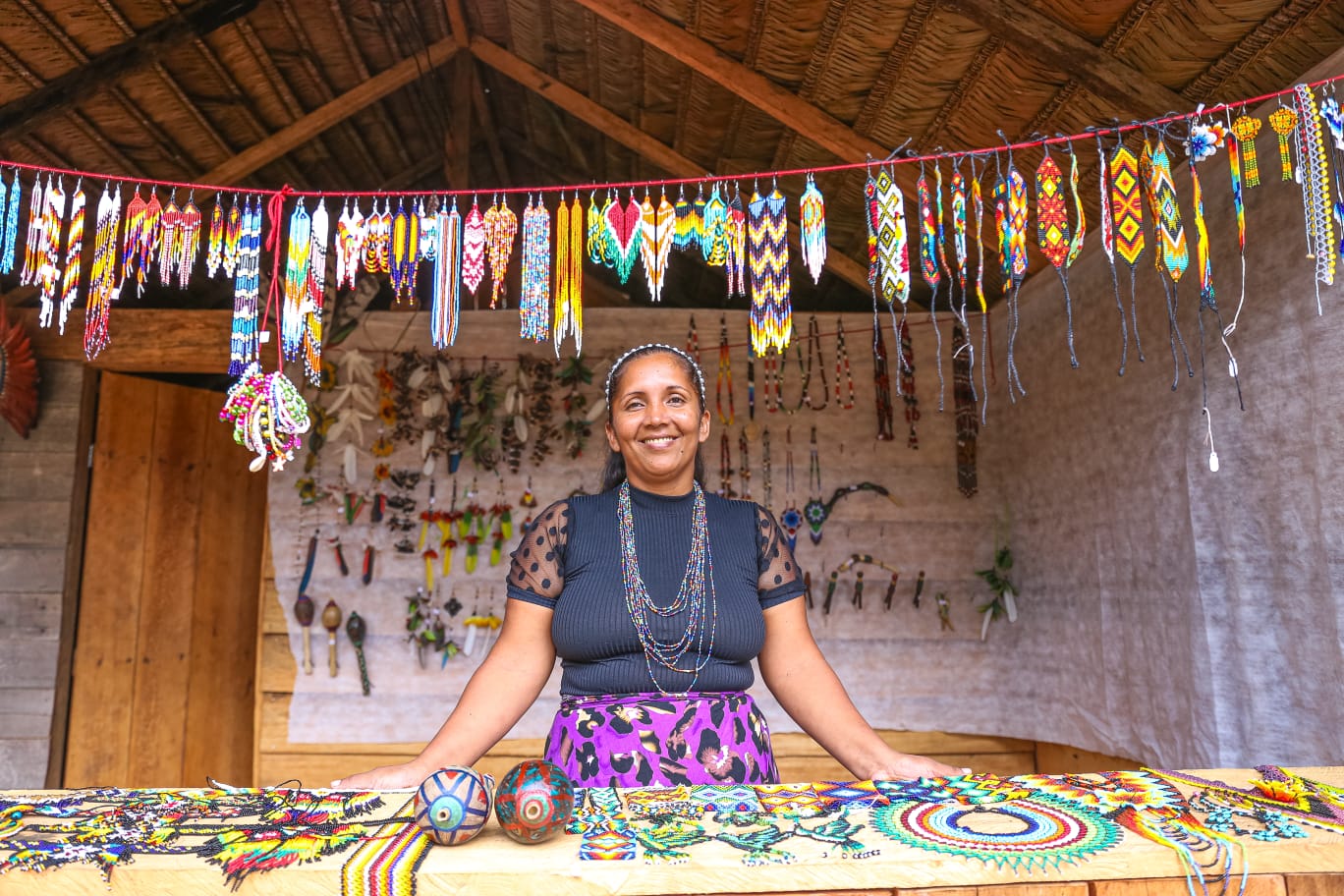
Culture
More than 50 craftspeople work in the village. Of the 35 traditional Puyanawa crafts, 34 are made right in the village – baskets, bows and arrows, ornaments, hammocks and clay pots. They are locally famous for their handicrafts, though internationally less so.
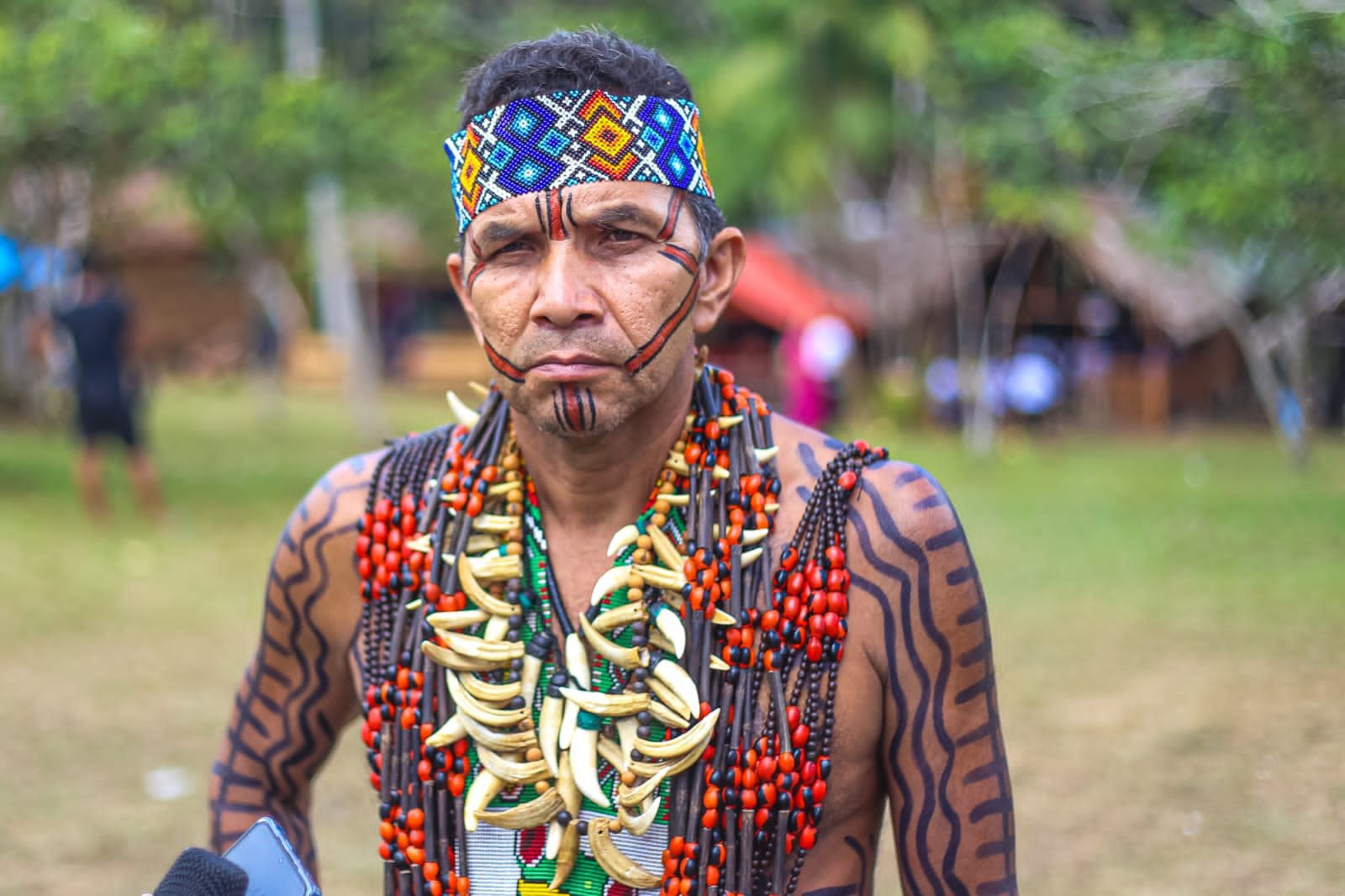
The Puyanawa practice traditional body painting. Children aged 8 to 10 once had a line tattooed from the mouth to the earlobe, with short vertical strokes.
Manioc is the basis of life – flour and the fermented drink caiçuma. Manioc flour from two community mills is the main source of income.
Puyanawa subsistence is strongly based on agriculture. Each nuclear family owns a swidden, producing mainly for its own consumption. They grow intercropped manioc and maize, Peruvian beans and other crops, plus rice, banana and sugar cane, and some coffee bushes. They sell flour, chickens, eggs and pigs to intermediaries in Cruzeiro do Sul or nearby settlements, receiving clothing, salt and other goods in exchange; rubber is still sold in the region. Game has been almost non-existent since the 1970s, yet they continue to trek on foot over a wide area for game, water, wild fruits, clay for pottery and bamboo for arrow shafts.
Cacique Joel Puyanawa says that when he started as a leader in the early 2000s, he felt that his people’s culture was lost. He rediscovered it by studying the spirituality and traditions of the ancestors – and the whole community with him.
Celebration
Every July the Puyanawa territory hosts the six-day Atsa Puyanawa Festival, part of the official calendar of the state of Acre.
It brings dances, music, body painting and traditional food, and attracts visitors from Brazil and abroad. Atsa means manioc – the sacred plant that symbolizes the Puyanawa’s economic independence. The festival is also a celebration that a people who nearly vanished is full of life again.
FAQ
“People of the frog” – puya is related to the frog and nawa means people.
In the municipality of Mâncio Lima in the west of the Brazilian state of Acre, in the villages Barão do Rio Branco and Ipiranga, near the Serra do Divisor National Park.
According to 2014 data, 745 live in Acre. In 1913 there were only 115.
Most speak Portuguese. Their own language Ûdikuî, from the Pano family, was spoken by only three people in 2009 – today children are learning it in school again.
A six-day celebration held every July. Atsa means manioc, the sacred plant of the Puyanawa.
Rapé Jagube and Rapé Pixuri.
According to the myth, the Puyanawa ancestors were born as frogs in a rotting Capemba leaf. Rapé Capemba is prepared from the ash of this palm.
Medicine
In recent years the Puyanawa have been rediscovering the traditional medicines of the forest. The Pixuri tree has a long tradition among them, and their Rapé is among the rarer blends from Acre.
In our offer you will find Rapé Jagube and Rapé Pixuri from the Puyanawa – and next to them Rapé Capemba from the palm at the heart of their origin myth. Read more in the guide What is Rapé.
These are traditional and symbolic associations, not guaranteed effects.
Haux, Haux!
Write to us and we will help you choose.
Contact La HerbaHaux e muita alegria!
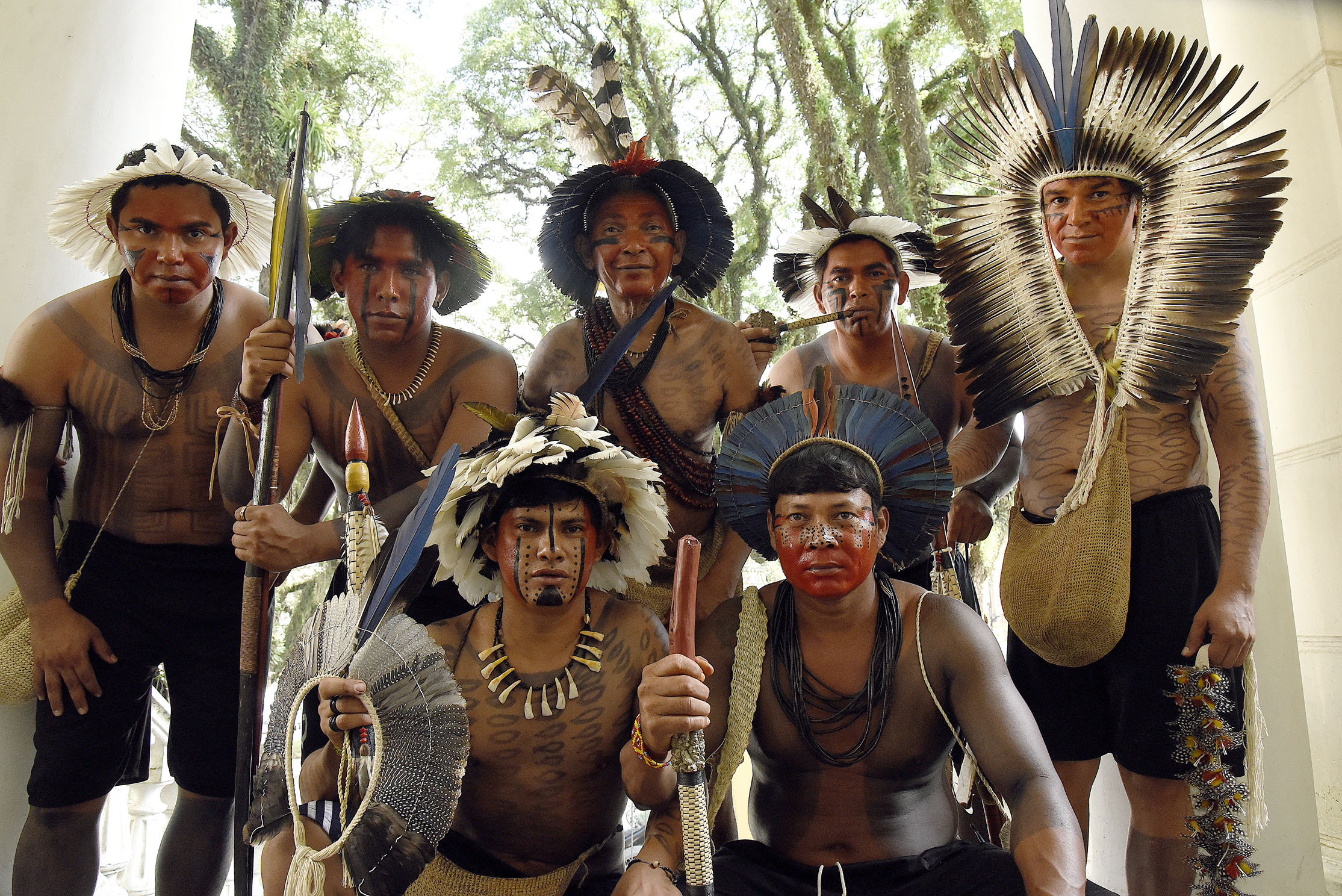
Indigenous peoples of Brazil
The Fulni-ô are the only indigenous group of Northeastern Brazil that has kept its language, Yathê, alive and active – along with Ouricuri, a ritual performed in t...
Rapé and energy work
Rapé (also spelled Hapé) is a sacred Amazonian medicine used by indigenous tribes for centuries. In the West it is increasingly appreciated as a tool for energetic work – ...
Indigenous peoples of the Amazon
The world knows them as Arara, they call themselves Shawãdawa. A people from the upper Juruá in Acre, Brazil, ...
On the trunk of an old birch in the Siberian taiga appears something that looks like a lump of burnt charcoal. A black, cracked mass that has been growing there for years. Break it open and you...