Rare · ceremonial
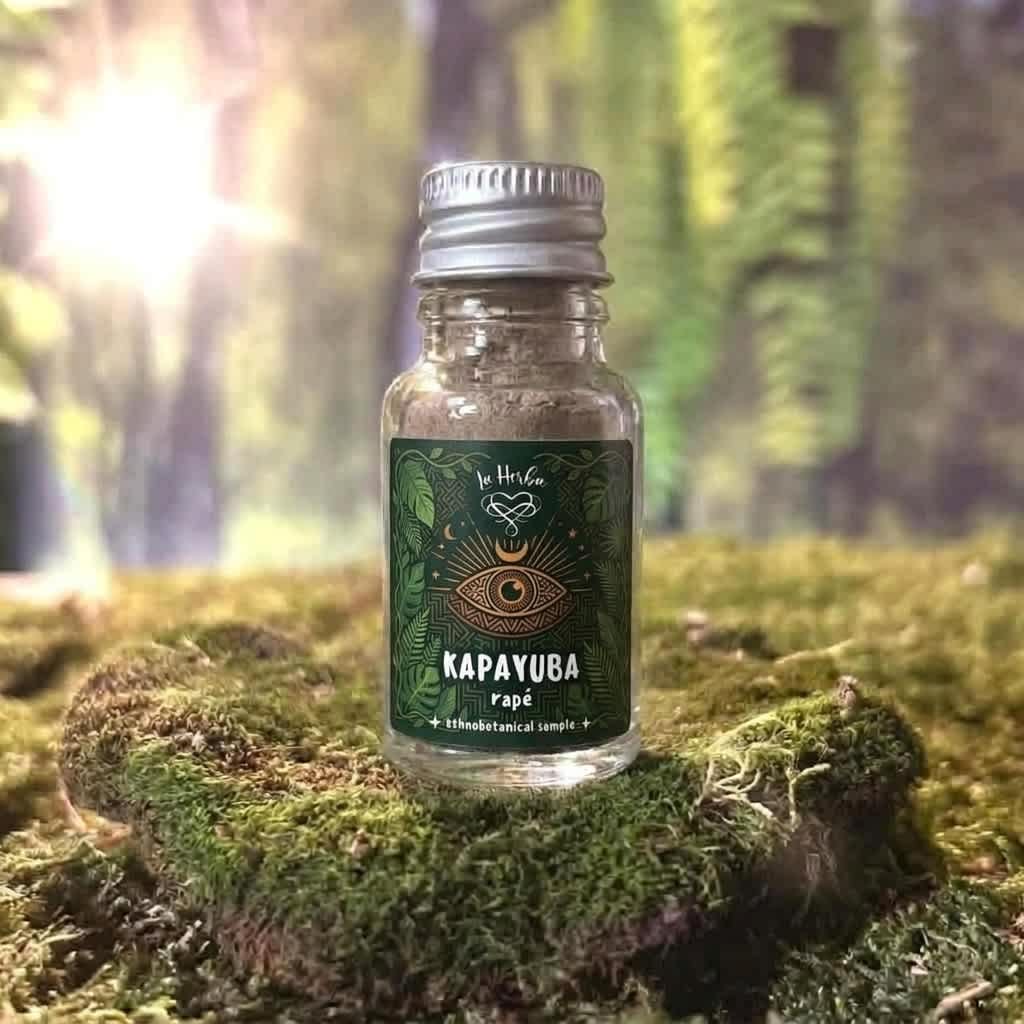
Rapé Kapayuba
A sacred blend with Tsunu ash and the rare herb Kapayuba, prepared under the full moon. In the tradition it is associated with spiritual exploration and inner vision.
View product
Login to your account
Create an account and enjoy benefits such as such as a personal profile for easier shopping, 5% off your purchases in our online shop and news straight to your inbox.
Help: You don’t need an account to place an order. Create an Account .
Forgot your password? Click RESET.
Create an Account
We are pleased that you have decided to register in our e-shop. Register and enjoy 5–10% off, faster checkout, and full order history with invoices. .
0 pc | 0.00 €
Shopping cart is empty.
Indigenous peoples of the Amazon
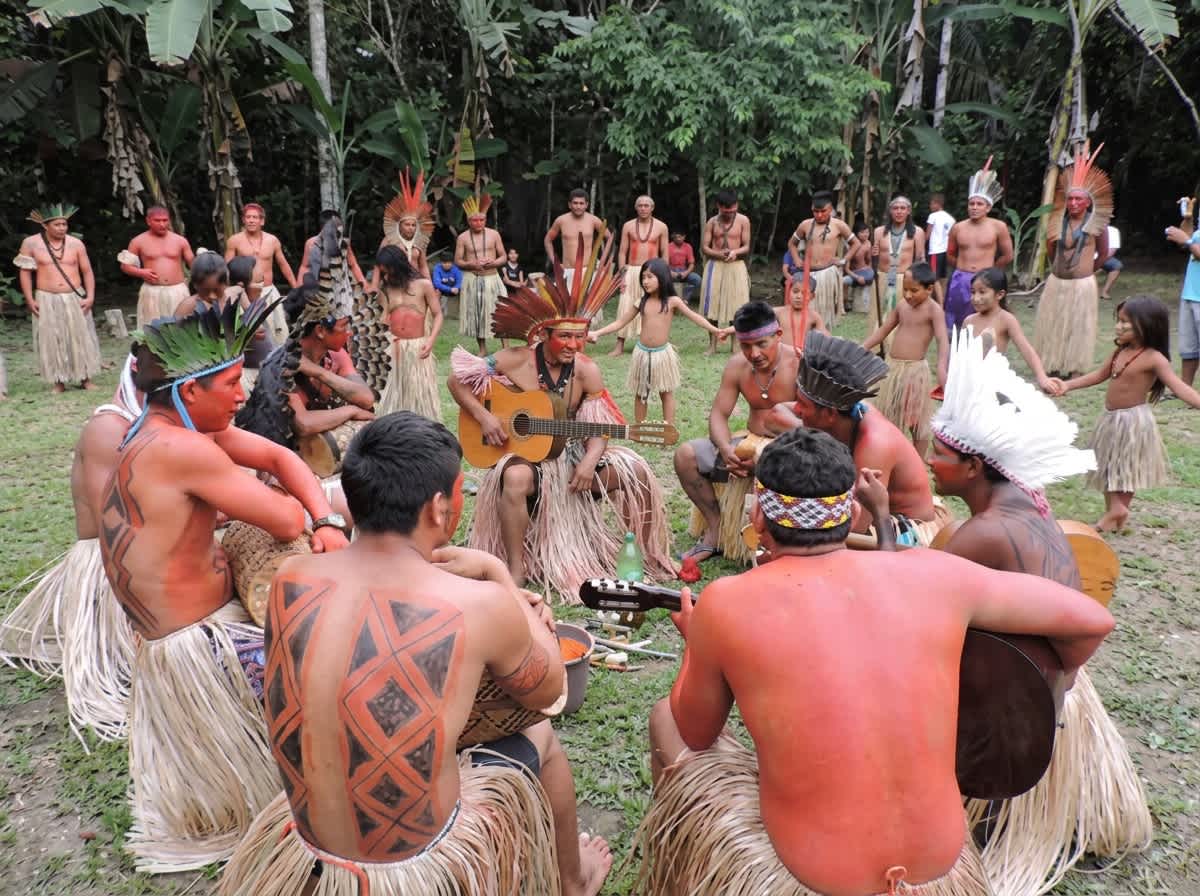
The world knows them as Arara, they call themselves Shawãdawa. A people from the upper Juruá in Acre, Brazil, known for their openness and generosity – and for a myth in which all Pano peoples emerged from the feathers of a single hawk.
The Shawãdawa live in the upper Juruá region in the west of the state of Acre, near the town of Cruzeiro do Sul. They belong to the Pano language family, like the Huni Kuin, Yawanawá and Nukini.
Like other tribes, they are strongly connected to nature and ancient traditions, including making and using Rapé – and both Rapé and Sananga from them are in our offer.
In this article
Identity
Shawa means the red parrot ara and dawa means family. The Shawãdawa are the “family of the red macaws”.
The designation Arara was given to the group during first contact, when the exploration of the Alto Juruá began in the 19th century. Arara is the Portuguese word for the macaw.
For a long time they were associated with warriors who took trophies – skull flutes, tooth necklaces, scalps – from fallen enemies. Yet from the very beginning they interacted peacefully with outsiders, and this open, friendly and sharing side of them prevailed.
Acre
Brazil
Upper Juruá
region
677
people (2014)
Pano
language family
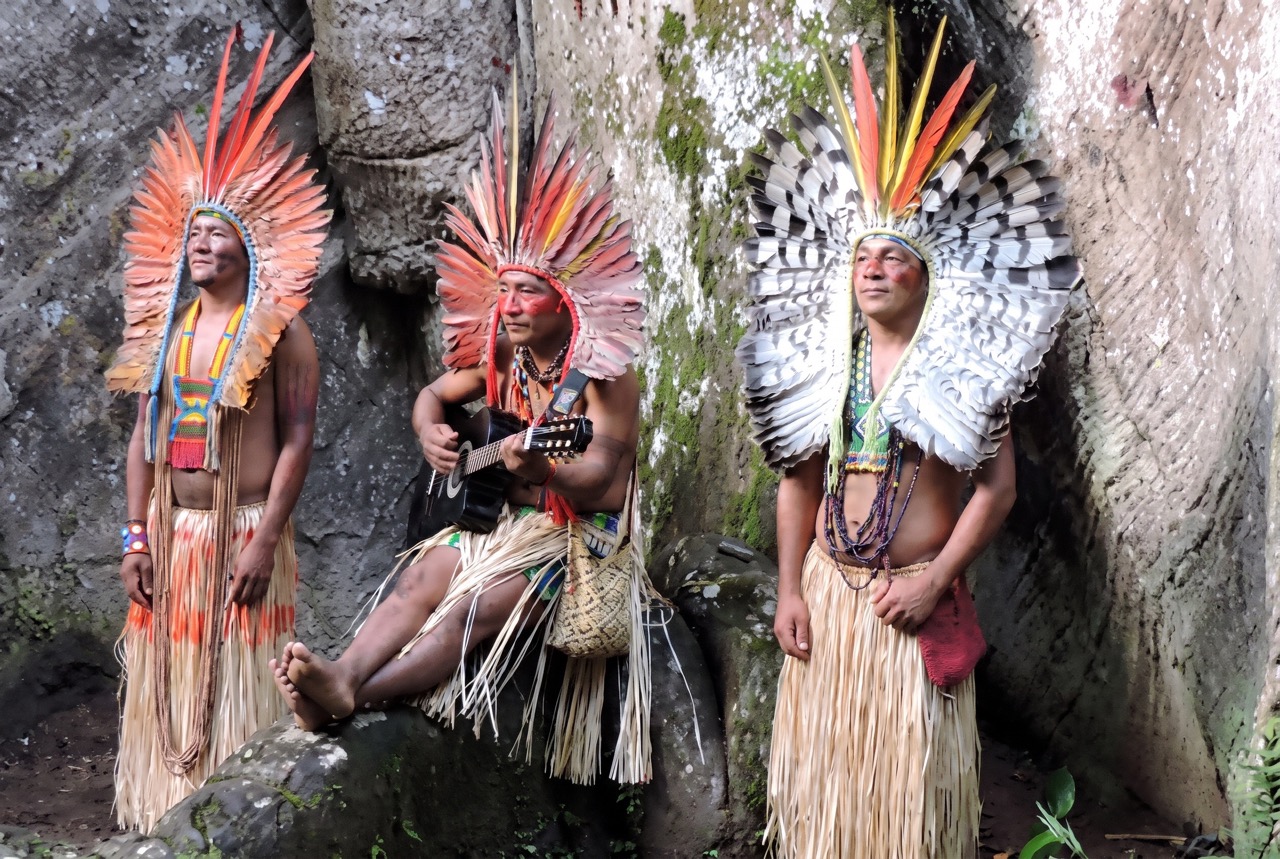
History
Around 1940 the tribe was thought to have died out. Only in 2016 did the Brazilian government sign a decree recognizing the Arara as belonging to their land – a great holiday for them.
Migrants from northeastern Brazil, fleeing the drought of 1877, founded rubber plantations in the region. The Shawãdawa were exploited, expropriated and limited in their physical and cultural reproduction.
The first agents of the rubber industry reached them in 1905. After the death of their leader in 1914, the group dispersed.
To bring the Arara to work, the “bosses” sponsored incursions and used some of the old (ancestral) Arara as agents. These elders remain a strong presence in Arara memory and a reference for the identity of the group and its territory.
The government tried hard to reach the tribe because a highway was being built through their territory. Contact came about fifteen years later, but the road led to intensive exploitation and deforestation of their land.
The Arara territory by the Humaitá stream was recognized and delimited at 27,700 hectares. Many families abandoned the plantations along the Liberdade and Baje rivers to live with relatives in or near the reserve.
The Ministry of Justice declared an extended territory of 86,700 hectares the permanent possession of the Shawãdawa. In 2016 the government signed the decree establishing the Arara as belonging to this land.
Language
Today there are few speakers of the Arara language, but since the early 1990s the community has been trying to “rescue” it.
Contact with the rubber expansion affected the group’s relationship with its mother tongue. Because they had historically been ridiculed and discriminated against for speaking their language, the Arara stopped passing it on, creating a younger generation educated only in Portuguese. A linguistic survey in 1993 found only seven active speakers.
Many adults still understand the language, and the community works to save it with the support of bilingual education. Over recent years they have also been reversing the loss through the revalidation of their traditions and by claiming their territorial rights from the Brazilian state.
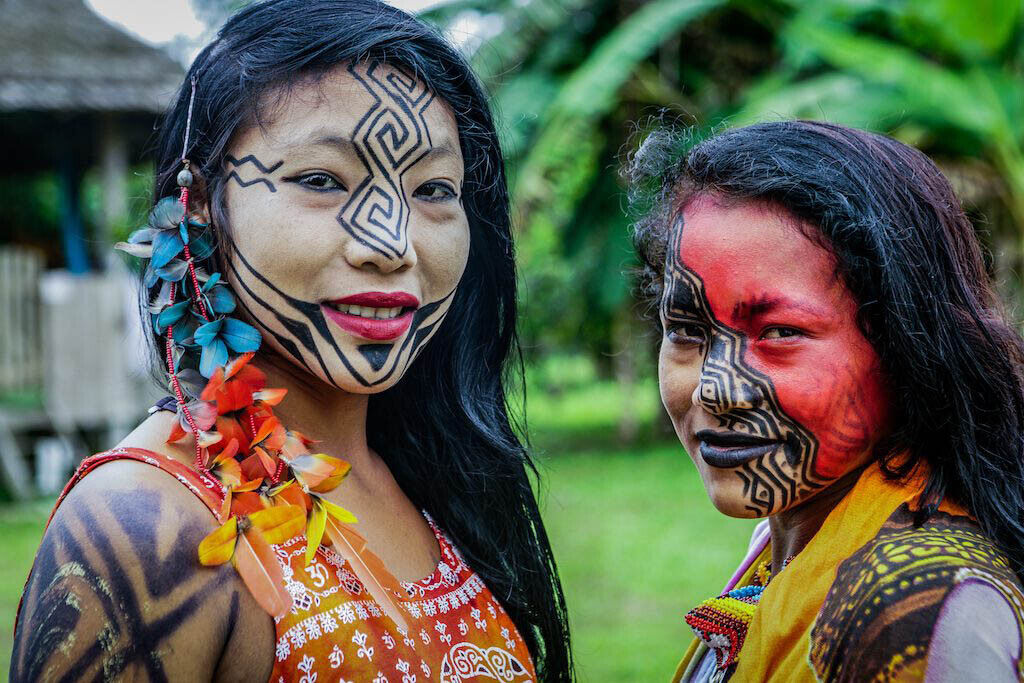
Tradition
Today the elders are the “guardians of the Arara memory” and try to pass it on to their descendants.
Interest among the young in learning the myths and rituals the Arara practiced intensively in the past is growing. Rituals are held irregularly today, but they have not disappeared.
The rituals of mariri and sinbu are still practiced. Mariri is a dance also found among other Pano groups; today it mainly serves to maintain the cohesion of the group and emphasize Arara identity. The oldest, who are still fluent in the language, sing and teach the younger ones during the ritual.
Sinbu – the liana (Ayahuasca)
Most of the group takes part at some point in one of these rituals, though some Arara no longer drink sinbu. Before working on the rubber plantations, the Arara partook of sinbu regularly, sometimes as a cure, when the shaman drank it and sought to remove the ills from the patient.
“My late father was a shaman. When somebody got ill, say he was burning with fever, he drank it. He took it and began to sing for that illness. When he saw that the person was getting better, he would say so. When he saw that he would not get better, dad told him he would not escape.”
An Arara on the ritual of sinbu
Hunters
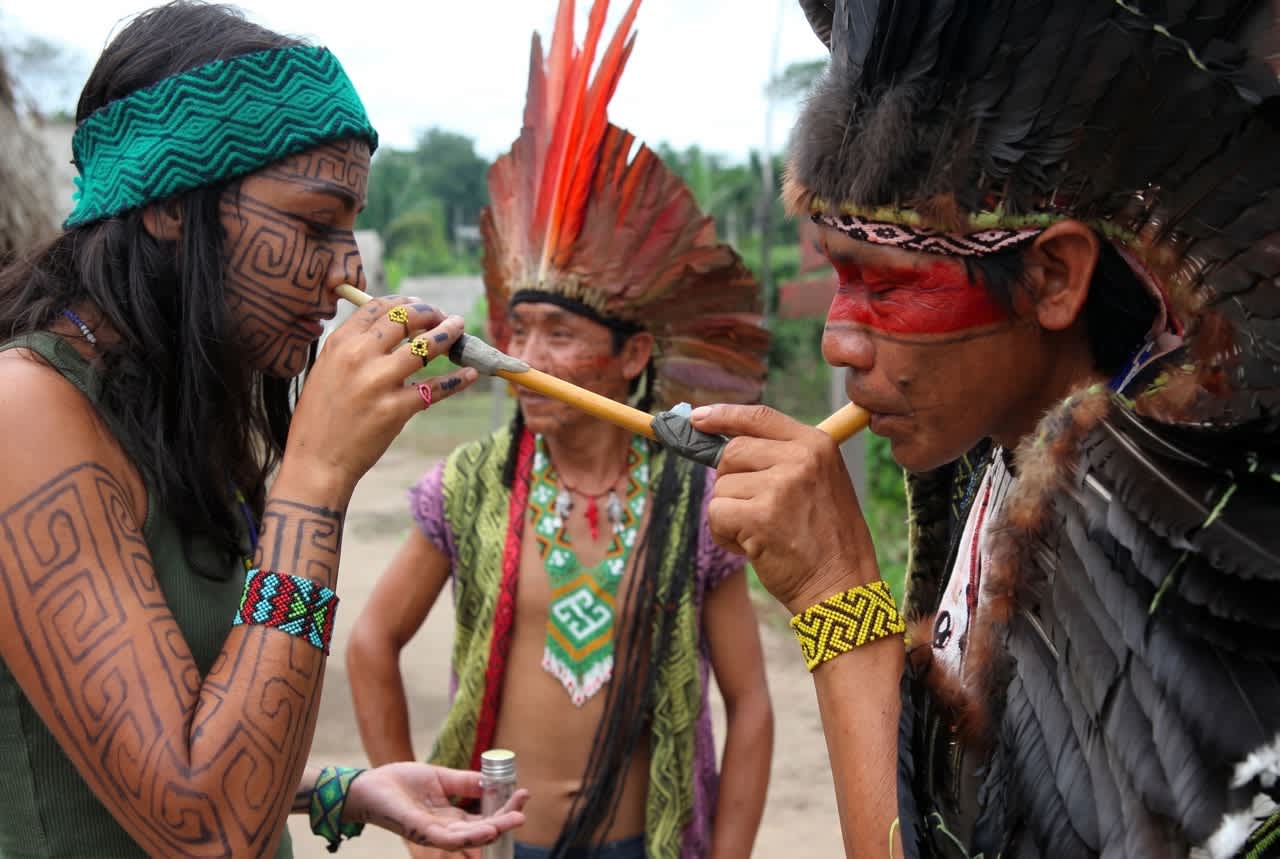
Like other Pano peoples, the Shawãdawa know rituals meant to restore the hunter’s aim, vision, hearing and luck.
Another ritual used by the Arara to help the hunter is the use of snuff, prepared from scraped deer and pig bone and the “milk” of the frog, roasted and ground. The elders say it works better than the injection: you sniff it.
Smudging with the herb Tipi, together with deer and pig hair dried in the sun, is done very early in the morning before the hunt – three times, a week apart – to improve the skills of the hunter and his dog.
Kambo – the “injection of the frog”
When the hunter is out of luck, the Arara prepare the “injection of the frog” to recover his essential qualities: aim, vision, hearing and luck. They catch a campo frog and extract the “milk” covering its body with a hook. The milk from the frog’s head is used only for the snuff applied to the hunters’ dogs. Two or three small circular points are then burned in the hunter’s skin and the milk is introduced. A small amount is enough to produce vomiting and evacuation, which is also stimulated by drinking caissuma, a fermented manioc drink, beforehand. The next day, the hunter is ready to hunt with greater skill and efficiency. Read more in our article on Kambo.
“The injection is made when a person is weak. When we take the frog’s milk, the injection, we improve. That cleans everything, what we are feeling, we get better. But we also have to take a little of some other things to clean the stomach as well, to provoke vomit.”
Chico Cazuza, 17/02/2000, Raimundo do Vale
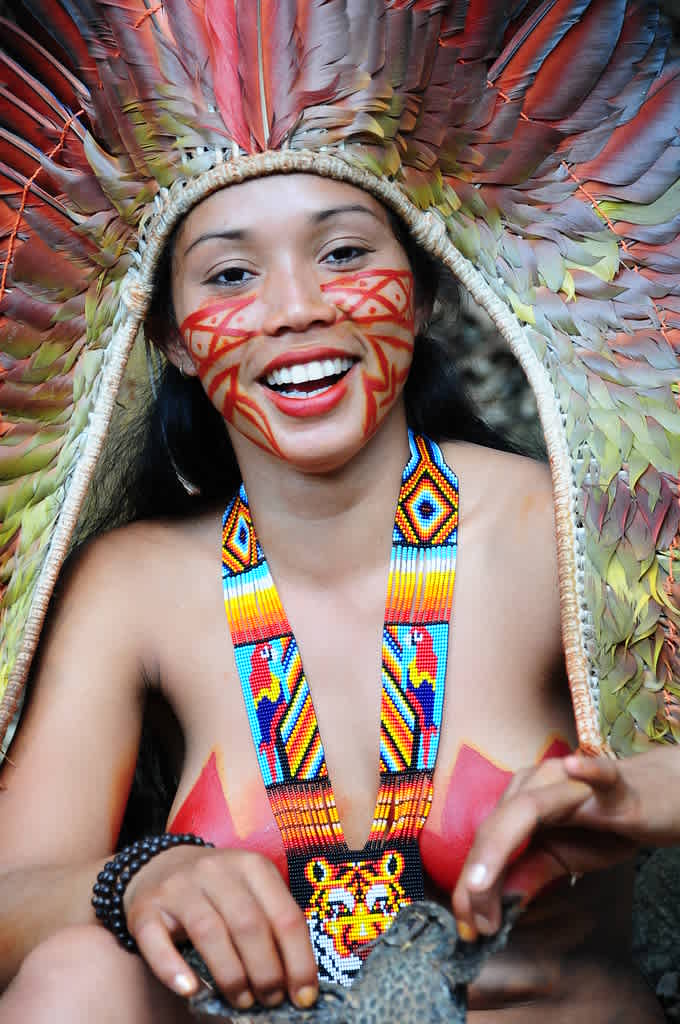
Cosmology
According to Shawãdawa cosmology, all Pano peoples emerged from the feathers of the same hawk – which is why their languages and cultures are so close.
The rituals above come from a mythic time without a precise date. The elders especially recount the Arara myths, and some young people have begun to learn and repeat them, in the Arara language or in Portuguese. Versions vary, but the structure of the myth does not.
In a village full of children grew a Samaumá tree, and in it lived a hawk. Almost every day it hunted to feed its chick, and when prey became scarce, it began to catch the children. It ate all but one.
A man of the village decided to kill the hawk. After great difficulty he succeeded, built a ladder to reach the nest and put the feathers in a basket. One night the basket began to make a noise, which he took for cockroaches eating the feathers, but in the morning he found only feathers. After several nights, all the Pano peoples emerged from the basket, singing happily and saying their names: Shawãdawa, Yawanawá, Kaxinawá (Huni Kuin), Xaranawá, Duwanawá, Puyanawá and others.
It is interesting that in Arara cosmology they, like other Pano groups, originated from the feathers of the same hawk – from which a socio-cultural and linguistic closeness can also be inferred.
FAQ
“Family of the red macaws” – shawa means the red parrot ara and dawa means family.
Yes. Arara is the name they were given from outside in the 19th century; they call themselves Shawãdawa.
In the upper Juruá region of the Brazilian state of Acre, on the Arara territory by the Humaitá stream near Cruzeiro do Sul.
According to 2014 data, 677 Shawãdawa live in Acre.
Only few do. The younger generation speaks Portuguese, but since the 1990s the community has been reviving its language.
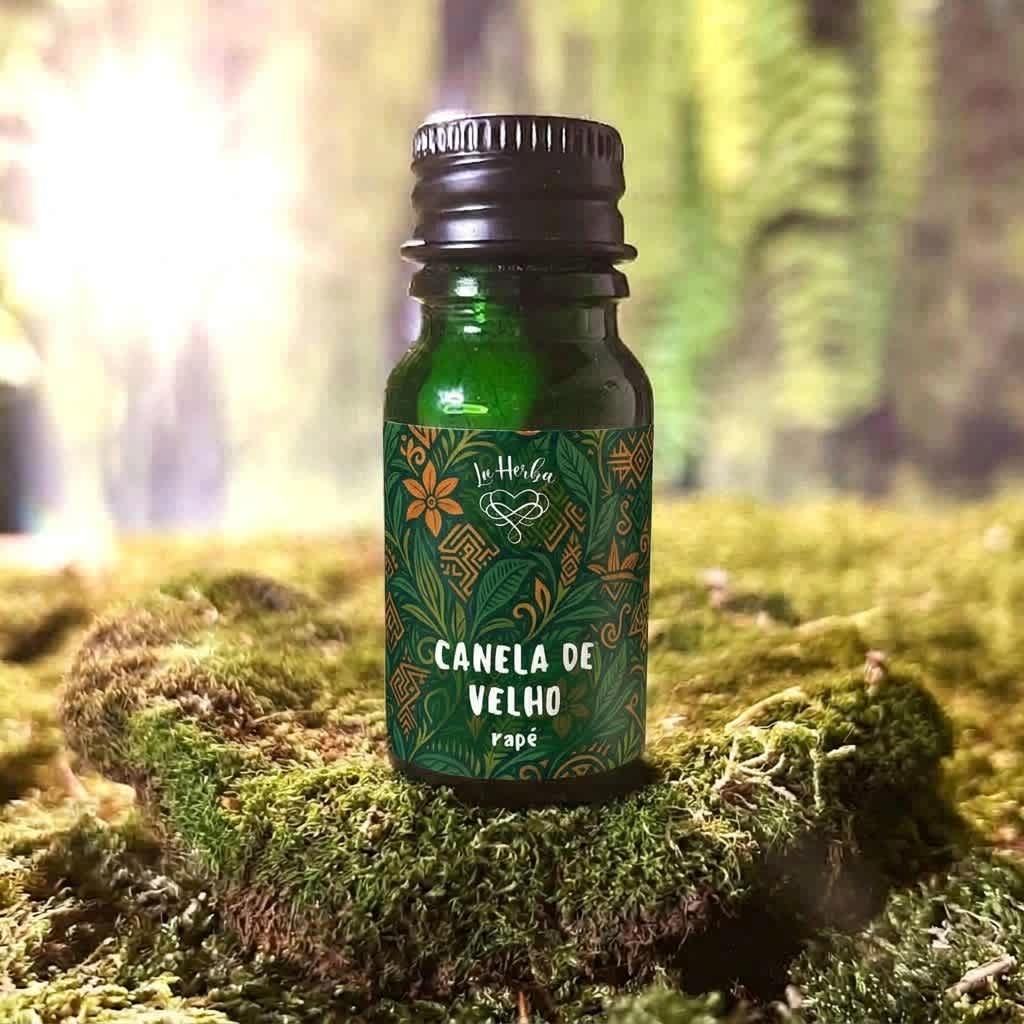
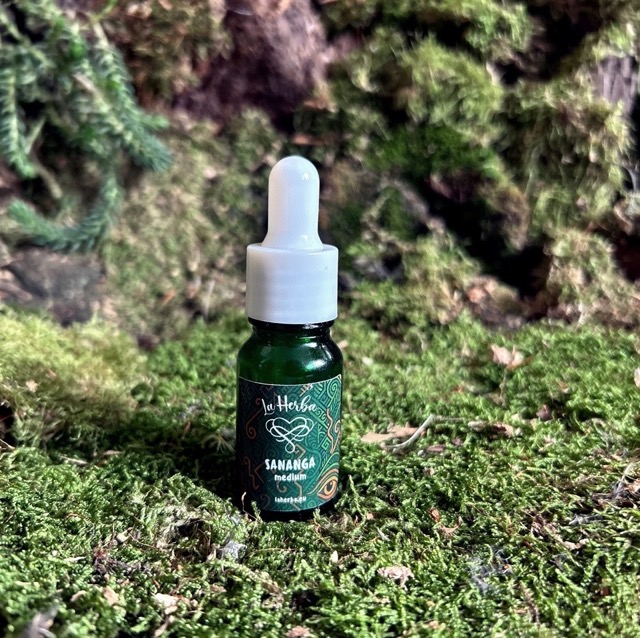
Rapé Kapayuba, Rapé Canela de Velho and Sananga in the intensities Light, Medium and Força.
Medicines
The Shawãdawa prepare Rapé and Sananga with respect for tradition and the spirit of the plants.
In our offer you will find Rapé Kapayuba and Canela de Velho, and Sananga in three intensities. Read more in the guides What is Rapé and What is Sananga.
These are traditional and symbolic associations, not guaranteed effects.
More from the Shawãdawa
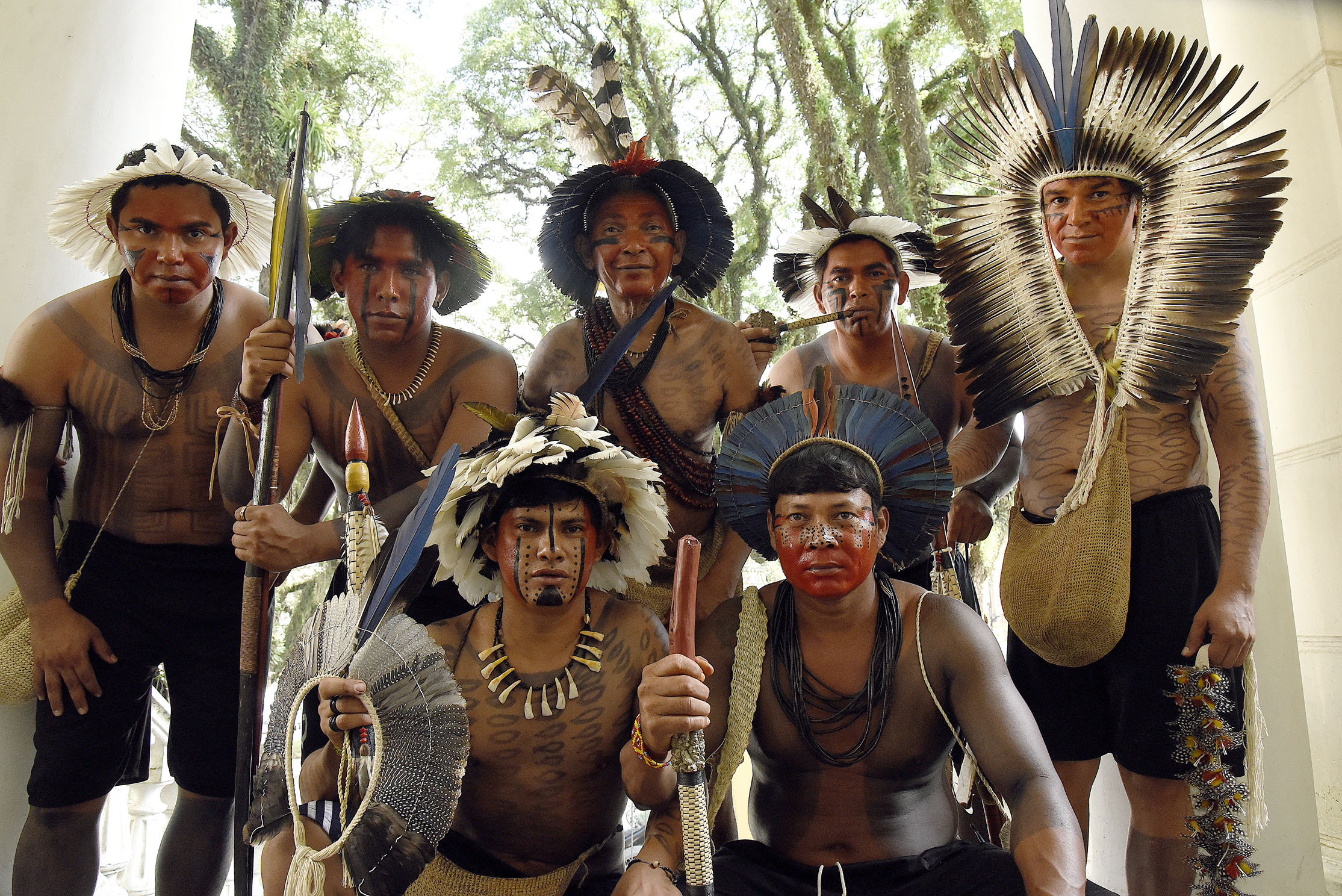
Indigenous peoples of Brazil
The Fulni-ô are the only indigenous group of Northeastern Brazil that has kept its language, Yathê, alive and active – along with Ouricuri, a ritual performed in t...
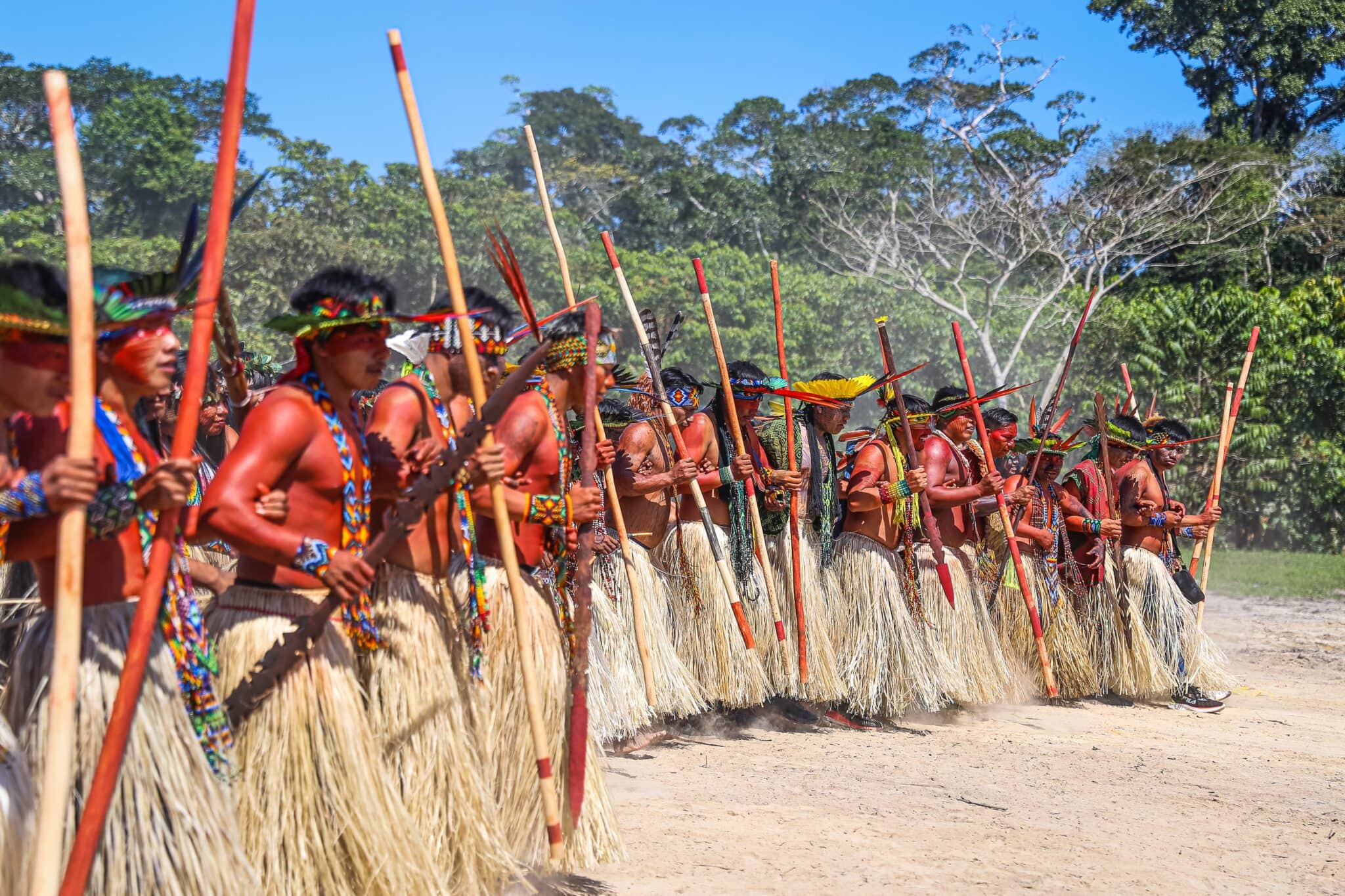
Indigenous peoples of the Amazon
The outside world knows them as Katukina. They call themselves Noke Koi – “true people”. Despite more than a century of outside pressure, they have preserved t...
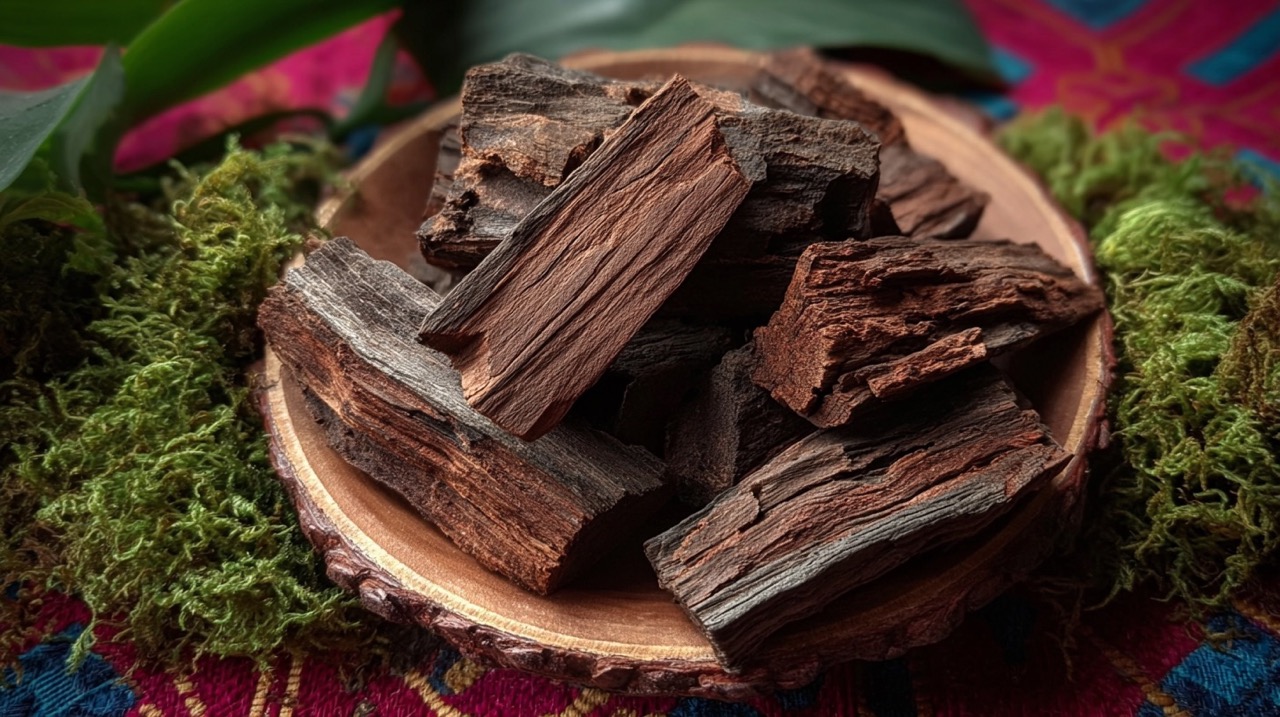
In Iquitos, Pucallpa or Tarapoto, bottles of dark red liquid are sold at markets and in small tin-roofed bodegas. Inside float pieces of bark steeped in aguardiente and honey. Locals simply cal...
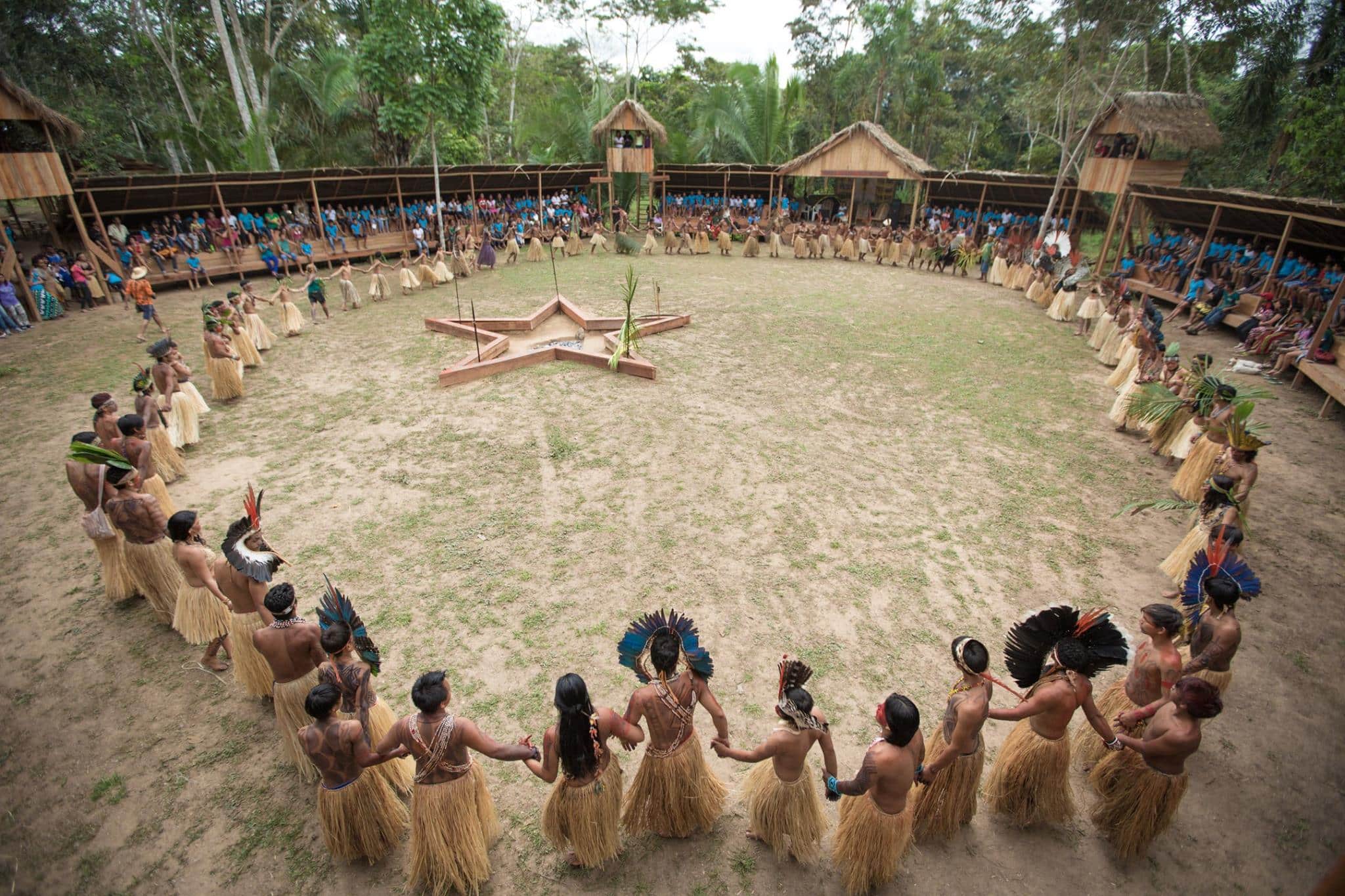
Indigenous peoples of the Amazon
The Kuntanawa nearly vanished from the map of the Amazon. From whole villages only a single family remained – and from it a community is growing again, renewin...