
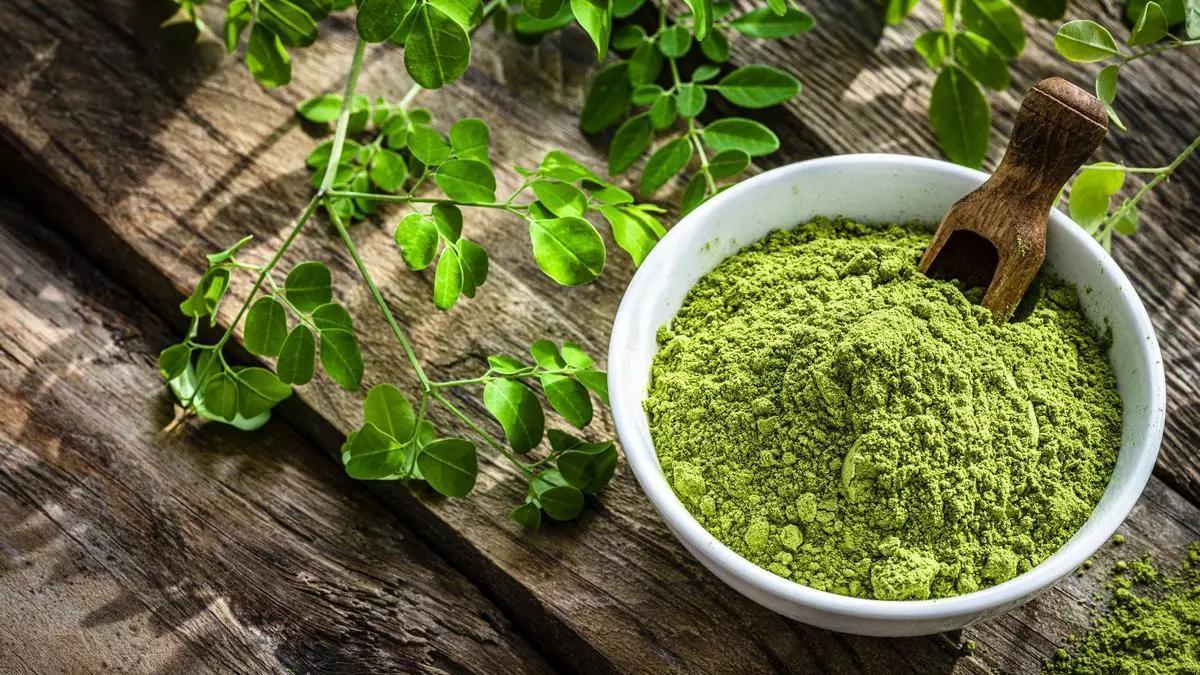
Moringa is considered one of the most nutritious plant sources
Plants · Moringa
Moringa oleifera, known as the “tree of life” or “miracle tree”, is a nutrient-rich plant native to parts of Africa and Asia.
This overview describes what moringa is, what its leaves contain, how it is traditionally used and what to keep in mind. It is general information, not medical advice.
up to 21 %
protein in the leaves
A · C · E
vitamins in the leaves
Fe · Ca · K
minerals in the leaves
10
key facts
In this article
Nutrition
Nutritional value
Moringa leaves contain vitamins A, C and E, calcium, potassium, iron, copper, phosphorus and zinc, and up to 21 % protein.
The leaves also contain amino acids and plant compounds such as polyphenols. They can be eaten fresh, dried or as a powder, and are often added to dishes to enrich them.

Traditional use
Moringa in traditional cuisine and folk practice
Moringa has a long history in the kitchens and folk traditions of South Asia and Africa.
Leaves, pods and seeds are eaten as vegetables and in teas, and the plant has a long place in folk practice. Scientific interest in moringa continues, but results to date are preliminary, and traditional use is not proof of any effect on health.
Forms
How moringa is offered
Powder, tea, smoothies
Moringa powder can be added to smoothies, soups, sauces or teas. It is sold as a food supplement or a food ingredient.
Moringa seed oil
Moringa seed oil appears in cosmetic products as an ingredient. You can read more about moringa oil in our blog.
Key facts
10 things to know about moringa
A neutral summary of what moringa is, what it contains and what the research looks like.
A nutrient-dense leaf
Moringa leaves contain vitamins A, C and E, calcium, potassium, iron, copper, phosphorus and zinc.
Protein and amino acids
Dried leaves can contain up to about 21 % protein, along with a range of amino acids.
Plant compounds
Moringa contains polyphenols and other plant compounds, among them quercetin and chlorogenic acid, which are also found in many other plants.
Fibre
The leaves contain dietary fibre, as most leafy plants do.

Under research
Moringa is the subject of scientific studies in several areas. Results so far are preliminary and no health effect is claimed here.
Vitamin C and A
As nutrients in general, vitamin C contributes to the normal function of the immune system and vitamin A to the maintenance of normal skin. This describes the nutrients, not a claim about our product.
Seed oil in cosmetics
Moringa seed oil is used as an ingredient in cosmetic products.

Several forms
Moringa is offered as powder, capsules, tea and oil.
Not a replacement for a varied diet
Food supplements are not a substitute for a varied and balanced diet and a healthy lifestyle.
Who should take care
Pregnant or breastfeeding women, people on medication (for example for blood sugar, blood pressure or thyroid) and people with health conditions should consult a doctor first.
FAQ
Frequently asked questions
What is moringa?
Moringa oleifera, the “tree of life” or “miracle tree”, is a nutrient-rich plant native to parts of Africa and Asia.
In which forms is moringa offered?
Usually as powder, tea, capsules or oil. We currently offer moringa in capsules and in powder form.
How much protein do moringa leaves contain?
Up to about 21 %, along with amino acids and plant compounds.
Which vitamins and minerals does moringa contain?
Vitamins A, C and E, calcium, potassium, iron, copper, phosphorus and zinc.
Does moringa treat or prevent any disease?
No. Moringa is a food and a food supplement. It is not a medicine and we make no claims that it treats, prevents or cures any disease. For health concerns, please consult a doctor.
Important notes
Before you decide
Food supplements are not a substitute for a varied and balanced diet. Please follow the recommended daily amount on the packaging and keep out of reach of young children.
Pregnant or breastfeeding women, people taking medication and people with health conditions should consult a doctor or pharmacist first. Reactions are individual.
Moringa capsules and powder
Take a look at what we offer.
Visit the shopThe Root Chakra (Muladhara): Your Key to Stability and Security
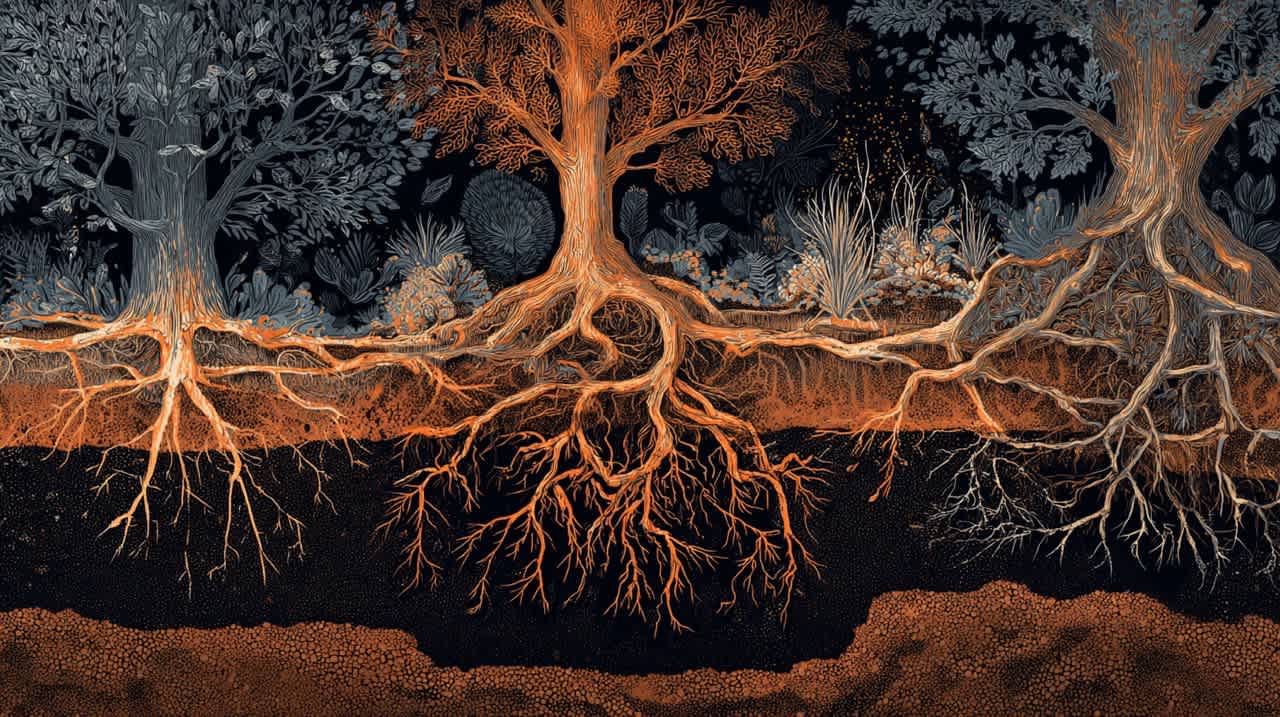
Root chakra · Muladhara
Do you often feel tired, anxious, or like your head is in the clouds, unable to focus? It might be time to tend to your foundations.
Your Root Chakra is the pillar upo...
Palo Santo: a sacred wooden incense burner from Peru
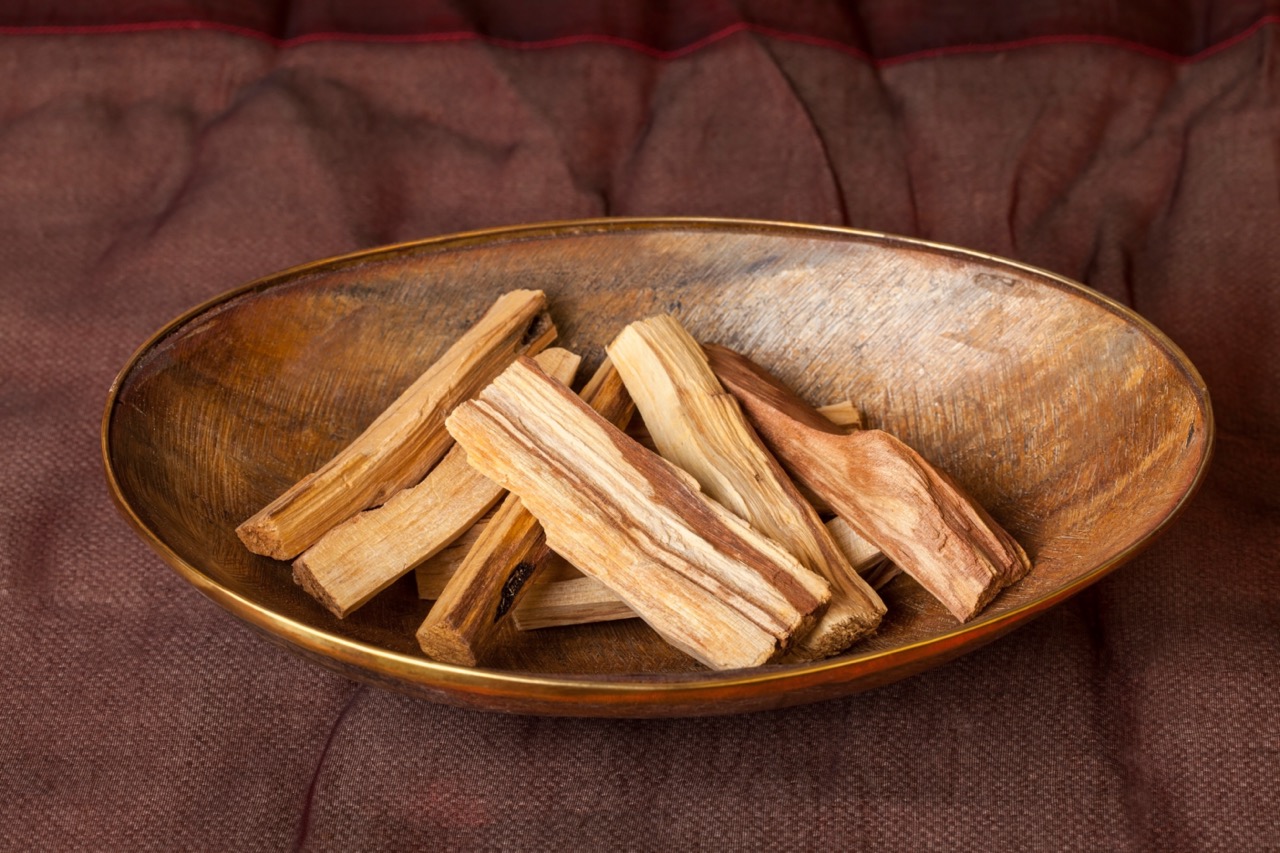
Sacred wood
Palo Santo – sacred wood for cleansing, calm and harmony
In recent years, Palo Santo has become synonymous with space clearing and meditation rituals around the world.
This sacre...
Sananga FAQ
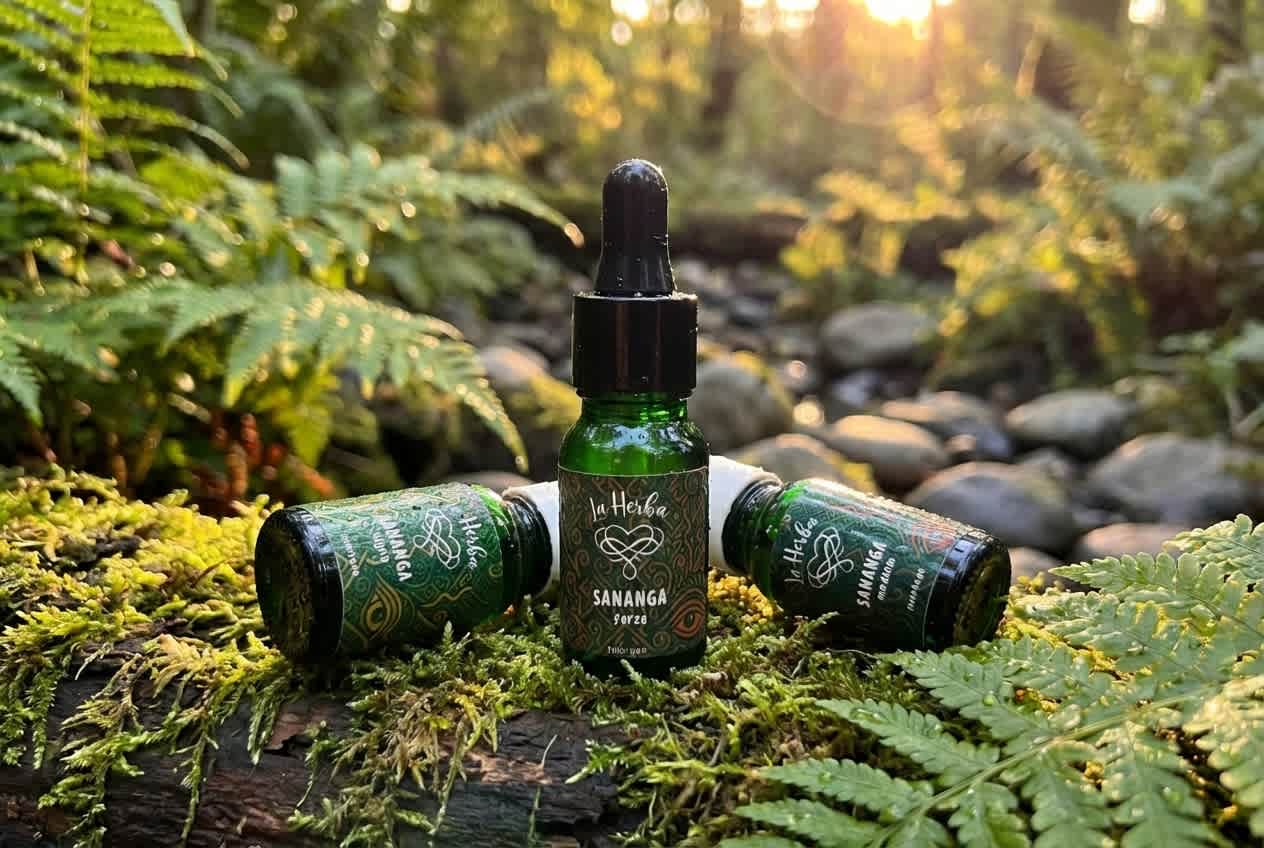
La Herba · Sananga
Origin, tradition, composition and important notes about Sananga in one place.
Sananga is a traditional Amazonian preparation made by macerating roots of plants from the Ap...
Rapé FAQ
La Herba · Collection guide
Origin, ingredients, choosing a blend and important context in one place.
Rapé has an origin, a context and a character. This guide helps you explore the collectio...