Warrior · strength
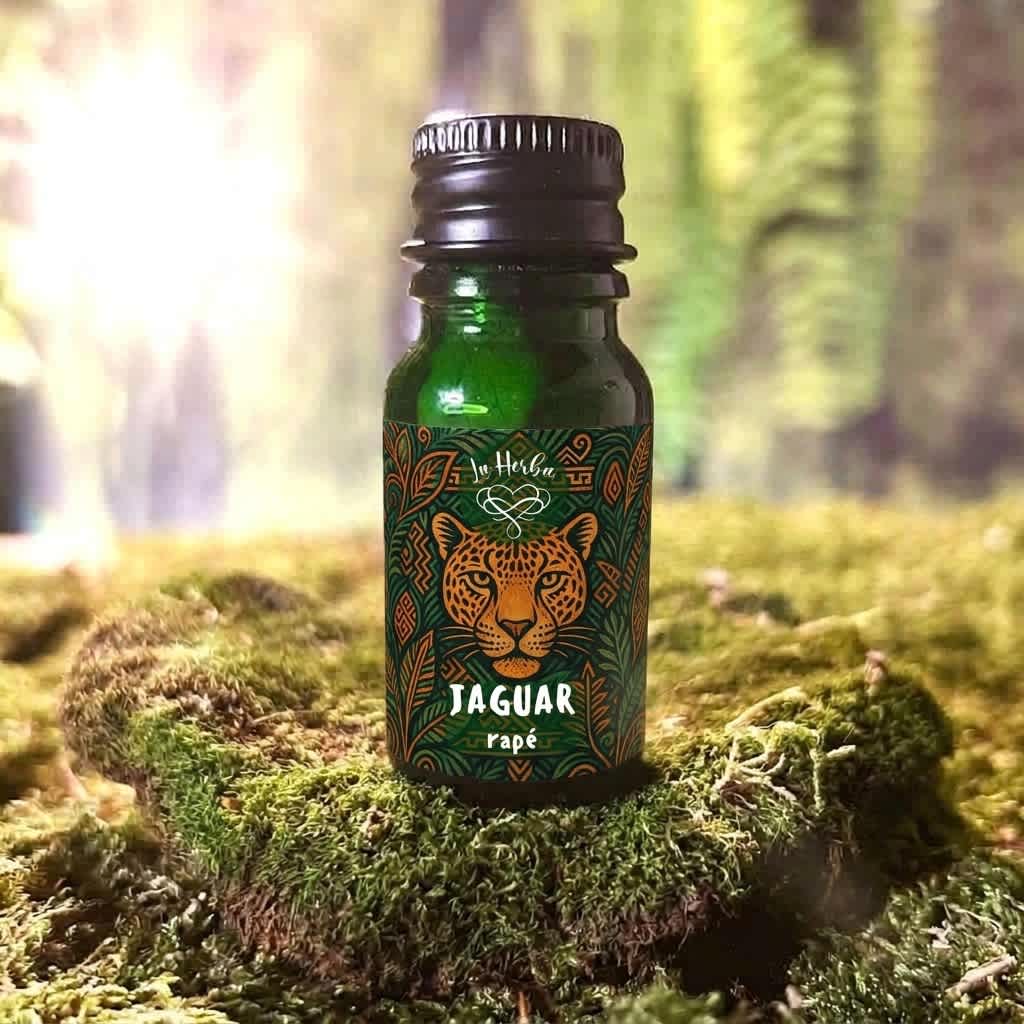
Rapé Jaguar
A blend of the “people of the jaguar” that embodies its spirit. In the tradition it is associated with strength, focus and protection.
View product
Login to your account
Create an account and enjoy benefits such as such as a personal profile for easier shopping, 5% off your purchases in our online shop and news straight to your inbox.
Help: You don’t need an account to place an order. Create an Account .
Forgot your password? Click RESET.
Create an Account
We are pleased that you have decided to register in our e-shop. Register and enjoy 5–10% off, faster checkout, and full order history with invoices. .
0 pc | 0.00 €
Shopping cart is empty.
Indigenous peoples of the Amazon
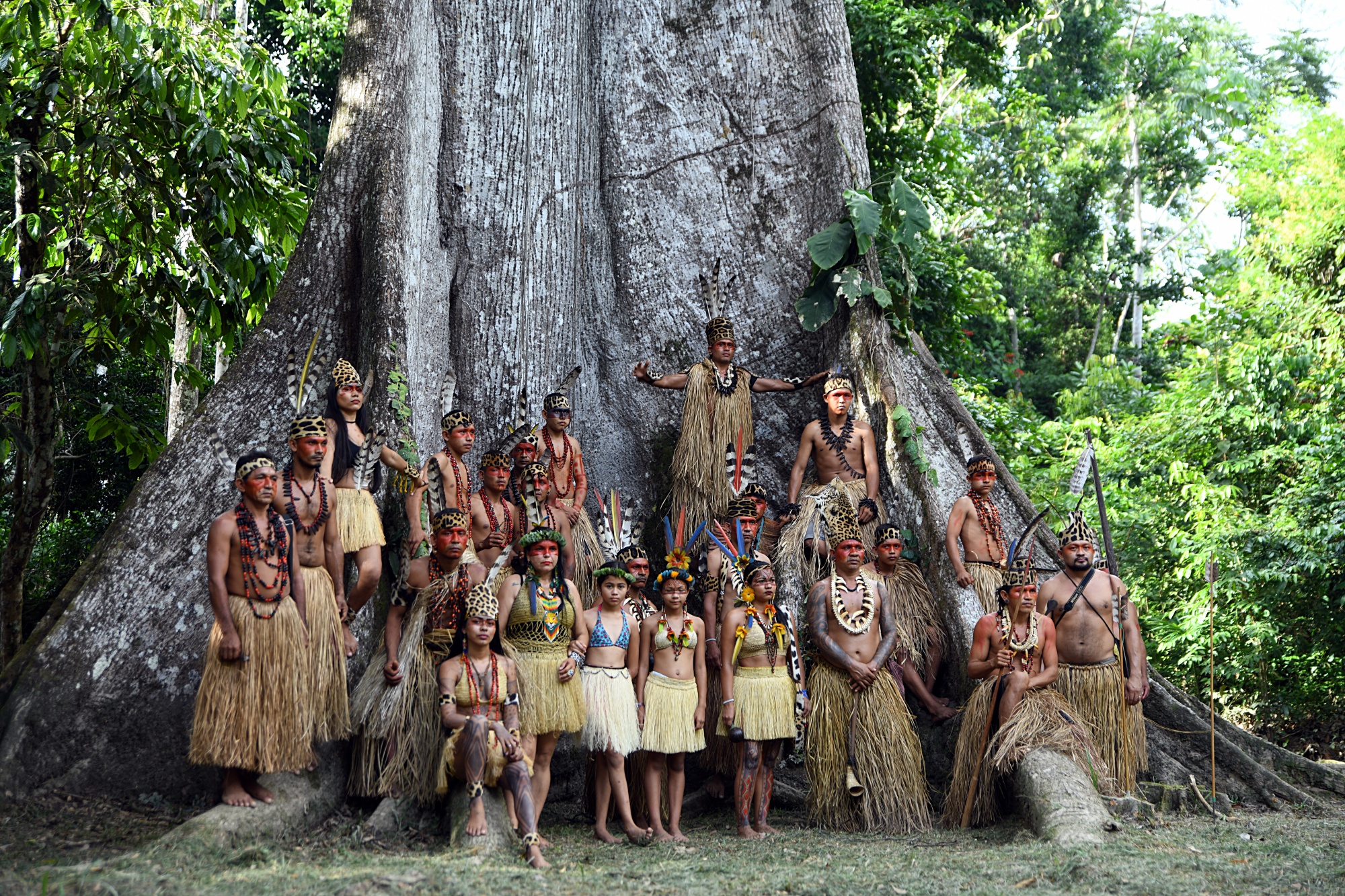
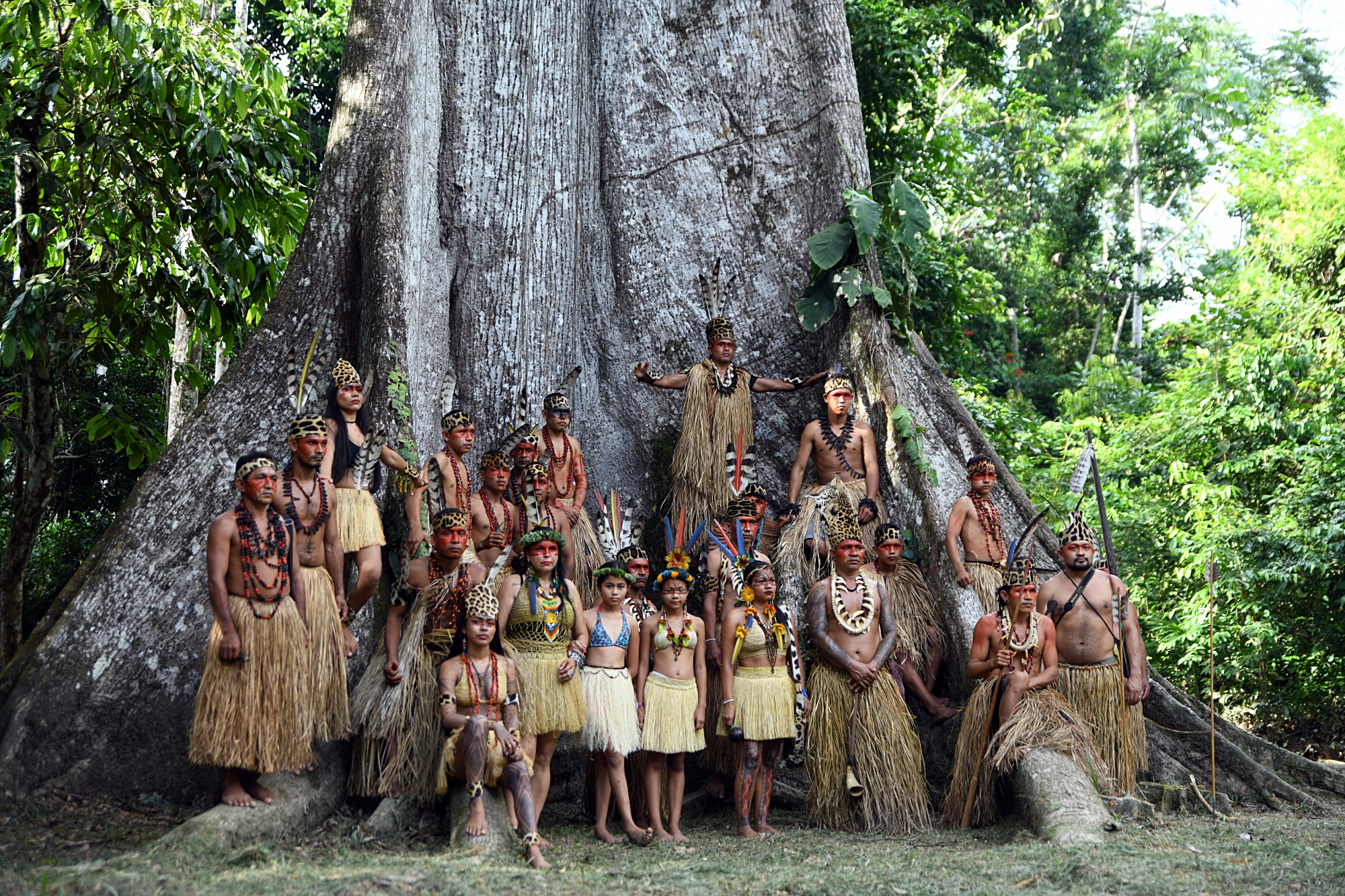
The Nukini – the “people of the jaguar” – are among the most resilient indigenous peoples of the Brazilian state of Acre. Despite a brutal history they preserved their identity, spiritual knowledge and bond with the forest, and their Rapé is among the most valued in the Amazon.
Their culture is rooted in symbiosis with nature, where every tree, every vine and every animal carries its own wisdom. They speak a language of the Pano family.
This article looks at where the Nukini live, their history, what their bond with the jaguar means, how their society is organized and why their Rapé blends are so prized.
In this article
Home
Acre
Brazil
Môa
river, Juruá valley
~730
members (2020)
Pano
language family
The Nukini live in the western part of the Brazilian state of Acre, near the border with Peru. Most inhabit the Terra Indígena Nukini in the municipality of Mâncio Lima, on the left bank of the Môa river and its tributaries. Other families live in Cruzeiro do Sul, Rodrigues Alves and Rio Branco.
Their territory borders the Serra do Divisor National Park – one of the most biodiverse areas of Brazil – which, according to the Nukini themselves, is their original home. Some villages can only be reached by boat, a journey of more than eight hours. Official data from 2020 count about 730 members; the Nukini themselves speak of around 900 people in seven villages.
History
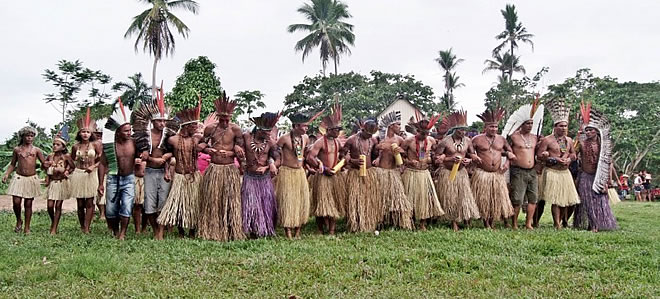
Like many other Pano peoples of the Juruá valley, the Nukini were marked by the rubber boom – the entire ethnic group was nearly wiped out.
From the mid-19th century rubber extraction brought violence, expropriation of land, forced labor and disease to the region. Many Nukini had to work as rubber tappers, and many were enslaved or massacred. In older records they appear under other names, such as Remo or Nucuini. They gained official recognition of their land rights only in the late 1970s; the Terra Indígena Nukini was approved in 1991.
Decades of discrimination left a mark on the language. Parents stopped teaching it to their children, and the younger generation speaks mostly Portuguese. Few people master the Nukini language, but the community works to revive it – in schools and in songs.
Despite the nearly devastating past, the Nukini survived, united with other peoples and rebuilt a strong socio-economic structure. They kept a strong sense of identity, cultural pride and resilience that comes from ancestral knowledge and spirituality. Unlike larger Amazonian peoples, the Nukini judge members of other tribes mainly by their knowledge of plants and their skill in gathering and blending herbs.
Totem
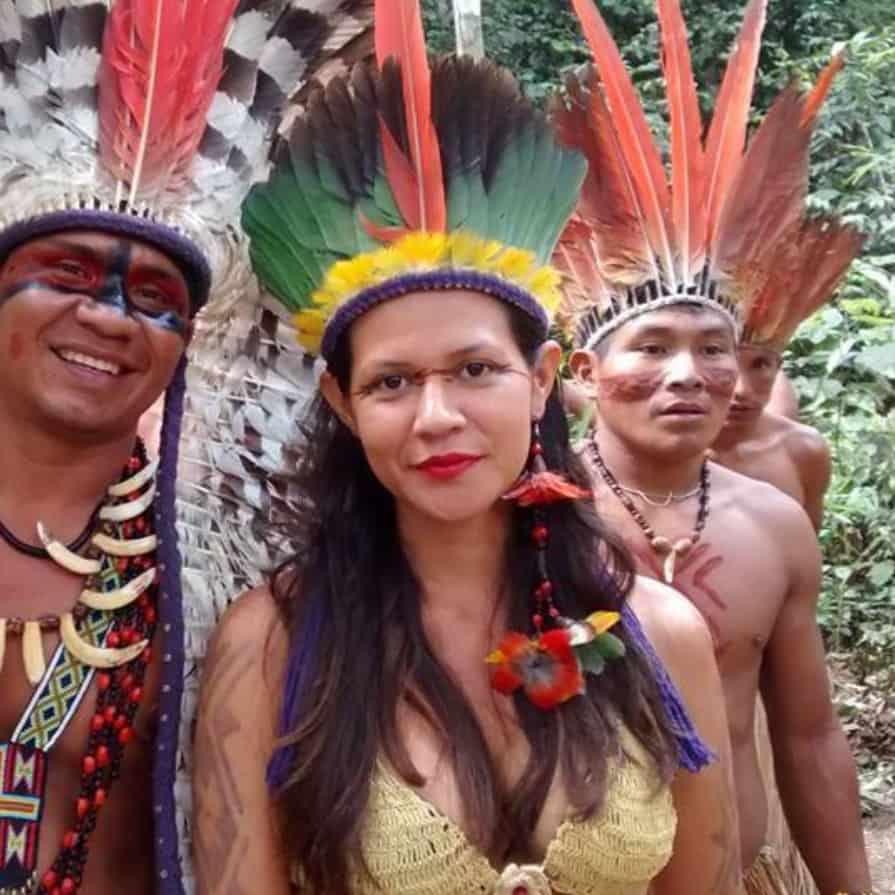
The Nukini call themselves the “people of the jaguar” – Povo da Onça. In 1911 inspector Máximo Linhares recorded their older name inocu-inins, translated roughly as “fragrant and poisonous jaguar”.
The jaguar (Portuguese onça) is a powerful totem in Amazonian cosmology. It embodies strength and agility, vision and silence – a predator acts with maximum precision, focus and clear intention, and silent alertness precedes action. In some traditions it moves between the physical world and the realm of the ancestors.
Four clans, inherited from the father
People of the spotted jaguar.
People of the açaí palm.
People of the patauá palm.
People of the snake.
Spiritual world
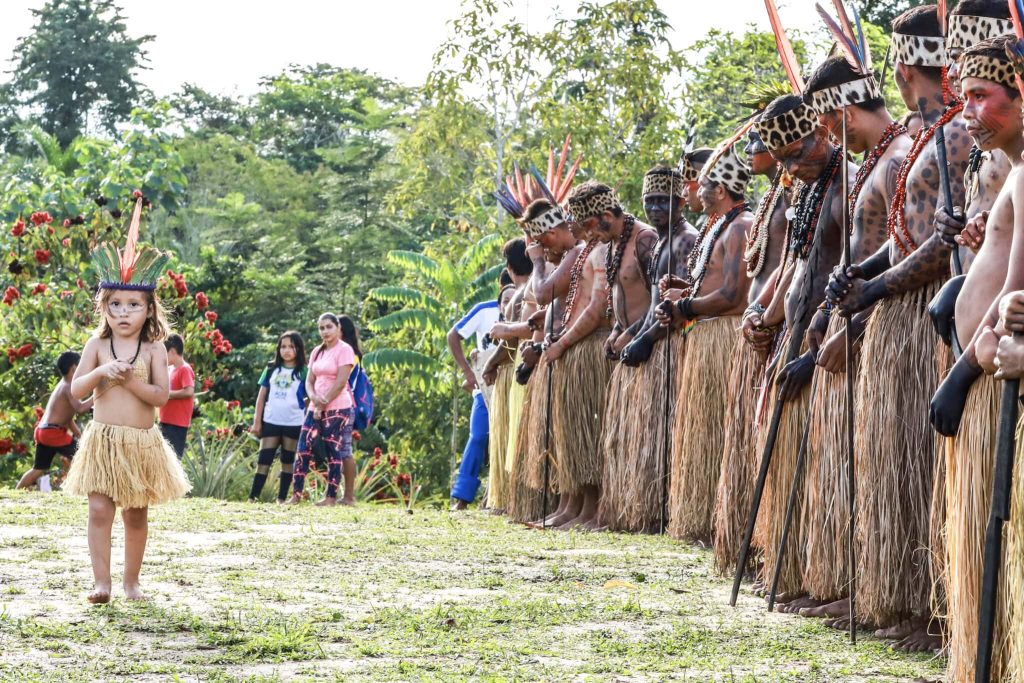
Spirituality is a central pillar of Nukini culture. They believe in the interconnectedness of all living beings and in maintaining harmony and balance in the environment.
Spiritual practices are led by shamans – the Pajés – intermediaries between the human and spirit worlds, with deep knowledge of plants, rituals and ceremonies. Healing knowledge is passed down from generation to generation, for example from grandmother to grandson. The mariri dance and traditional songs are part of ritual life.
Sacred medicine made from the ash of tree bark and other plants, central to ceremonies of purifying the mind, the body and the energy field.
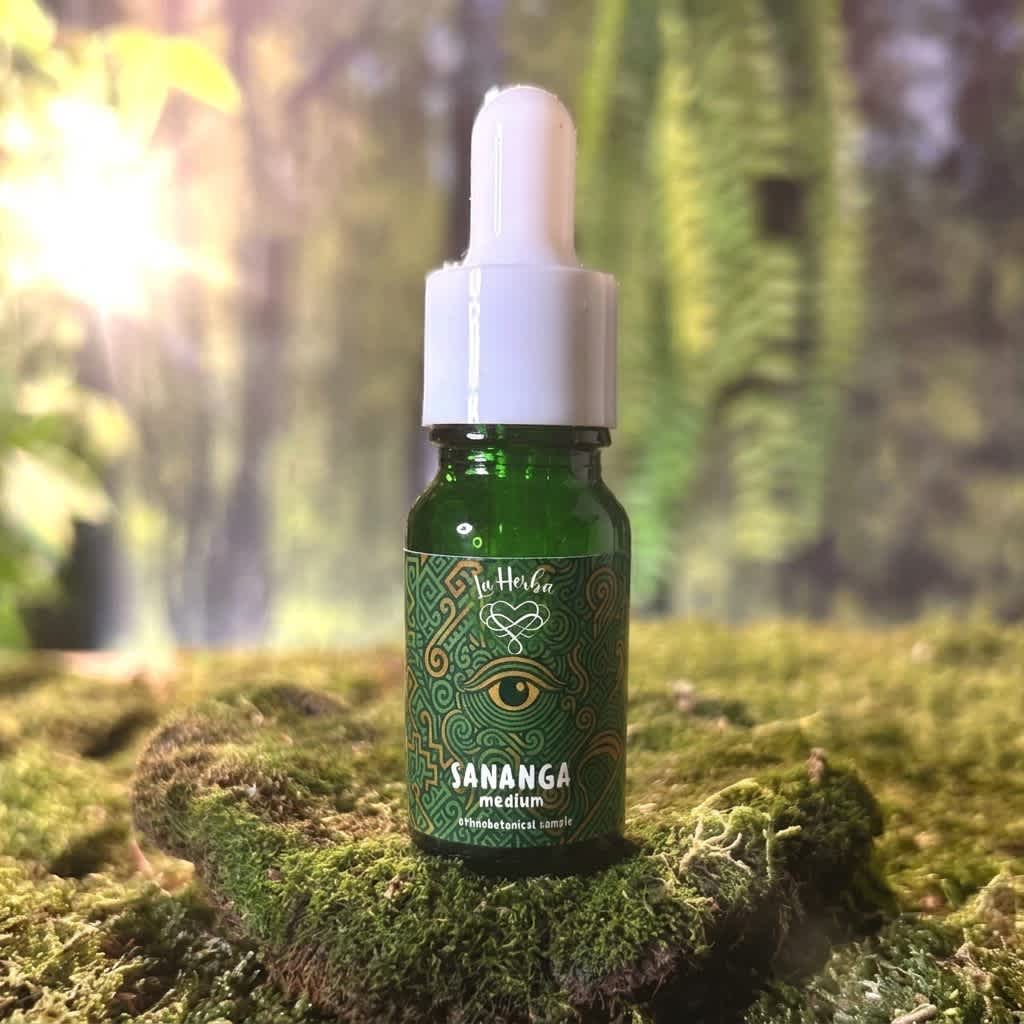
Traditional preparation from the roots of Tabernaemontana plants, associated with clarity of perception and keeping away Panema. Read more in the Sananga guide.
A potent brew used in ceremonies for communing with spirits, seeking guidance and deep healing.
These are traditional and symbolic associations, not guaranteed effects.
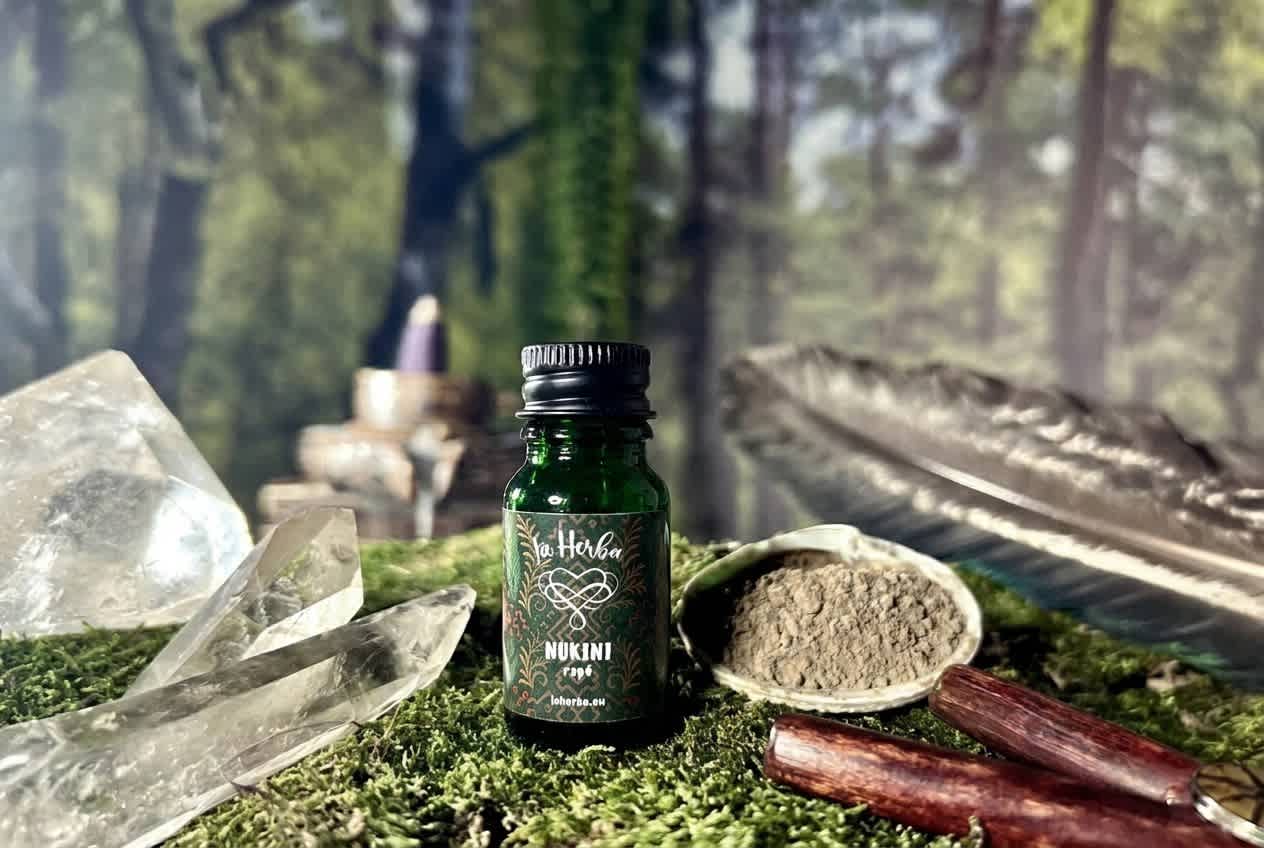
Masters of Rapé
The Nukini are regarded as masters of Rapé by practitioners and collectors all over the Amazon. Their blends are the result of a long ritual process in which shamans infuse the medicine with prayers and reverent intention toward the plant spirits.
Nukini blends are known for their strength and deep cleansing. In the tradition they are associated with energetic clearing of blockages and negative thoughts, grounding, calm and vigilant awareness – and balance on the emotional, physical and mental levels. The Nukini are also innovators, sensitively adding new plants, such as eucalyptus, to their rituals. See our Rapé Nukini.
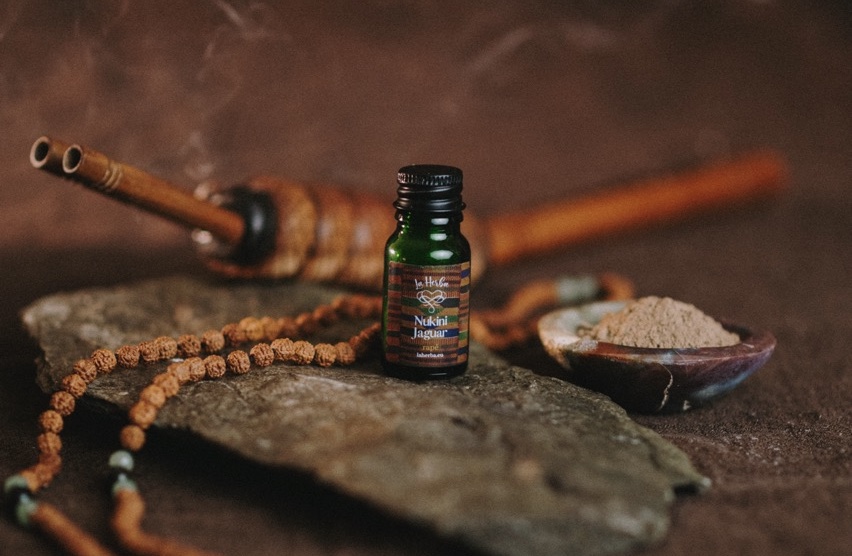
A blend of the “people of the jaguar” that embodies its spirit. In the tradition it is associated with strength, precision, focus and protection.
Uses eucalyptus, prized for respiratory and cleansing character, showing the Nukini’s ability to integrate new plants into their rituals.
Carries the imprint of feminine wisdom and resilience, often associated with relief of headache and clearing of negative energies.
Find us
Present
The Nukini live from family farming – manioc, maize and rice – as well as hunting, fishing, gathering forest fruits and making crafts. Work is collective and the community elects its leaders.
They face constant challenges, from illegal deforestation to pressure on their territory, and the community seeks to extend it by part of the neighboring national park.
The sale of traditionally prepared Rapé and Sananga supports the community and improves living conditions without having to abandon their land.
It helps pass the knowledge of the Pajés and artisans on to the next generations.
Direct and fair trade ensures plants, wood and ash are harvested with respect and that support returns directly to the community.
The Nukini are living proof that the greatest strength, vision and harmony are found in a silent, grounded connection with nature. Their Rapé is not just a tool for purification, but a bridge to this ancient, indestructible source of strength.
FAQ
In the western part of the Brazilian state of Acre, in the Terra Indígena Nukini in the municipality of Mâncio Lima on the Môa river, next to the Serra do Divisor National Park.
They call themselves Povo da Onça. Their older name inocu-inins was translated as “fragrant and poisonous jaguar”, and the jaguar is their powerful totem.
A language of the Pano family. Few people master it today, as the younger generation speaks mostly Portuguese, but the community is reviving it in schools and songs.
About 730 according to official data from 2020; the Nukini themselves speak of around 900 people in seven villages.
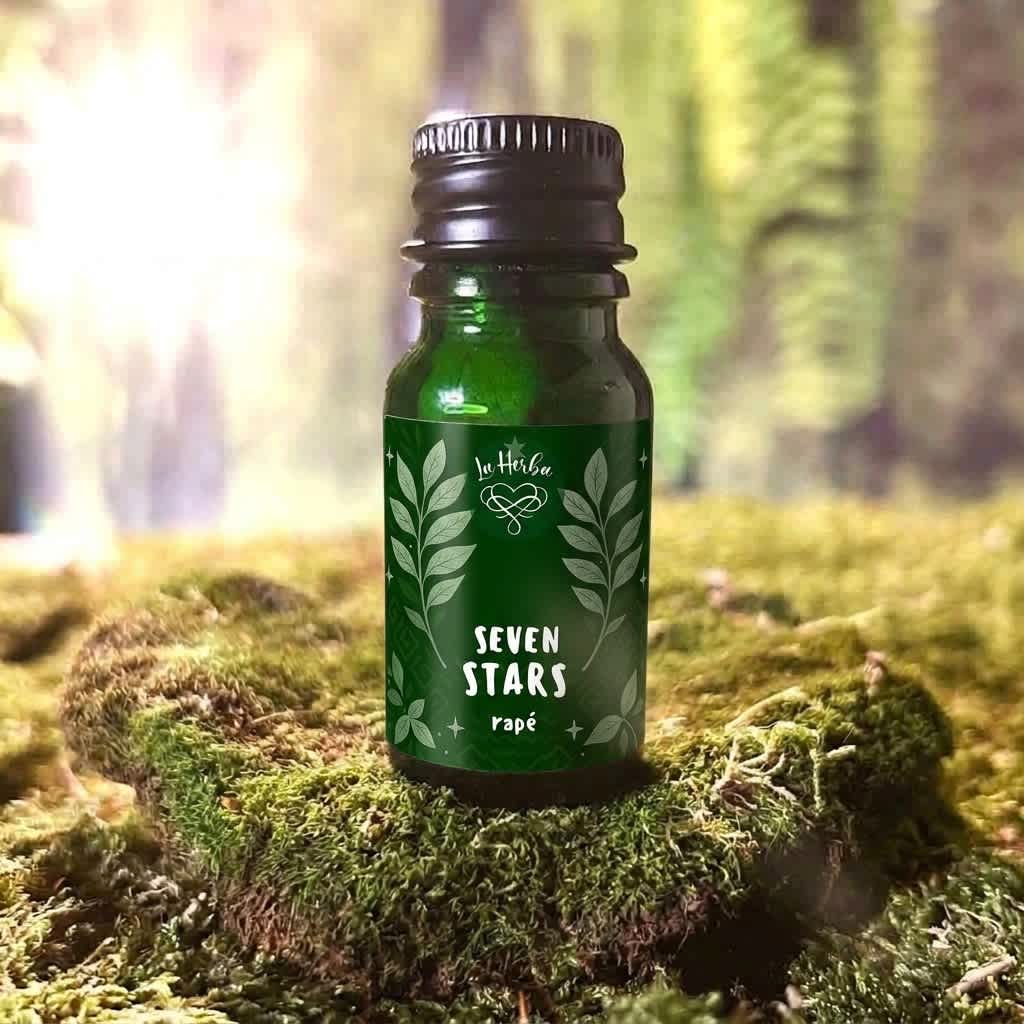
Rapé Jaguar, Rapé Eucalypto, Rapé Sansara, Rapé Nukini and Rapé 7 Stars, plus Sananga in the intensities Light, Medium and Força.
Video
Write to us and we will help you choose.
Contact La HerbaHaux e muita alegria!
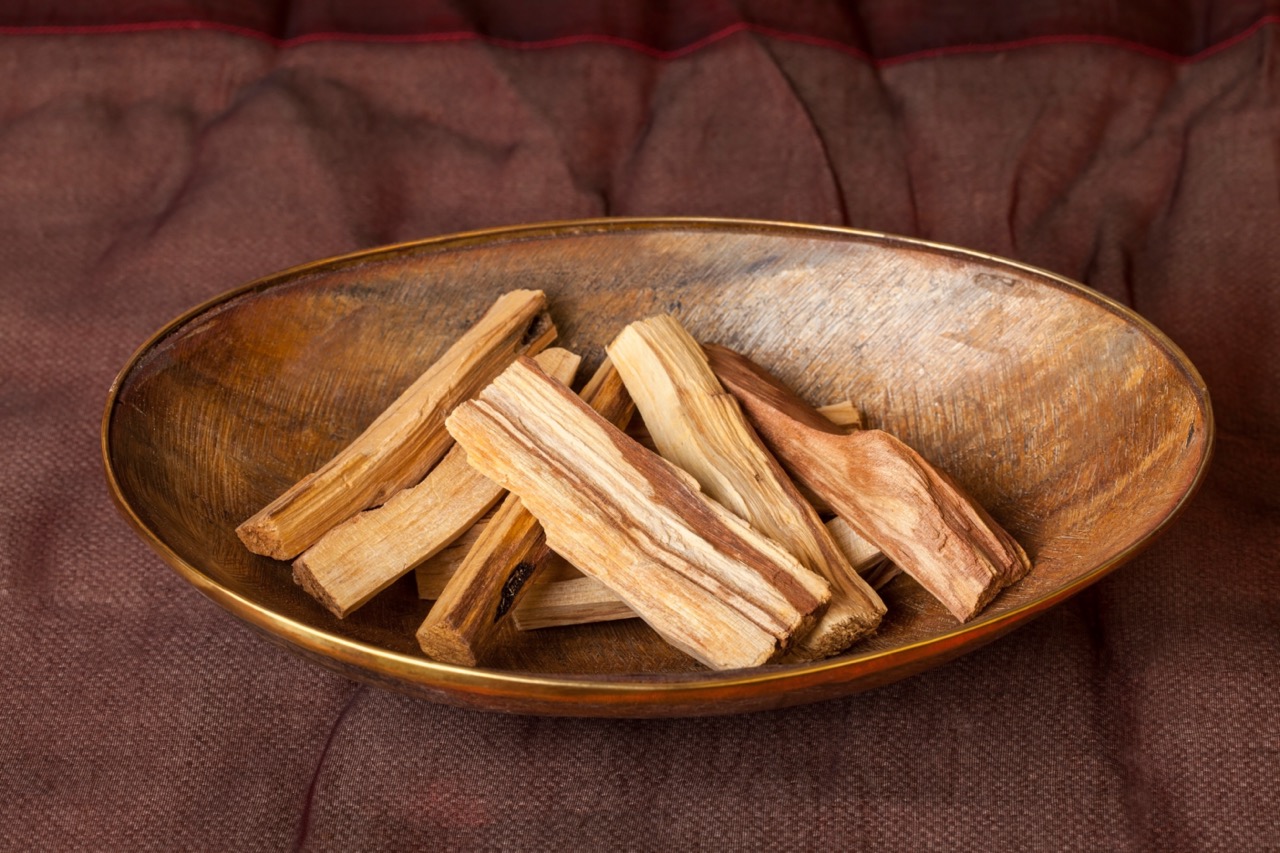
Sacred wood
In recent years, Palo Santo has become synonymous with space clearing and meditation rituals around the world.
This sacre...
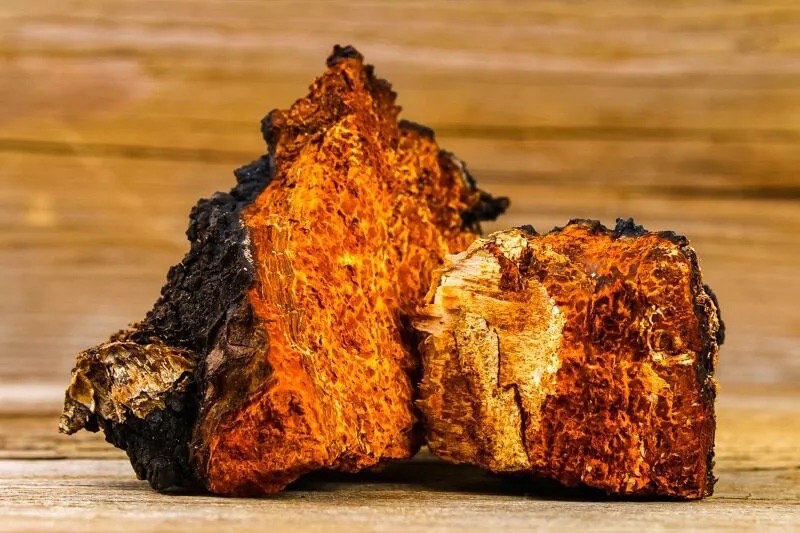
On the trunk of an old birch in the Siberian taiga appears something that looks like a lump of burnt charcoal. A black, cracked mass that has been growing there for years. Break it open and you...
Amazonian traditions
Kambô, also known as the “frog vaccine”, is the cutaneous secretion of the frog Phyllomedusa bicolor, native to the Amazon rainforest. Traditionally it is associated with ...
Indigenous peoples of the Amazon
The outside world knows them as Katukina. They call themselves Noke Koi – “true people”. Despite more than a century of outside pressure, they have preserved t...