Fire · grounding
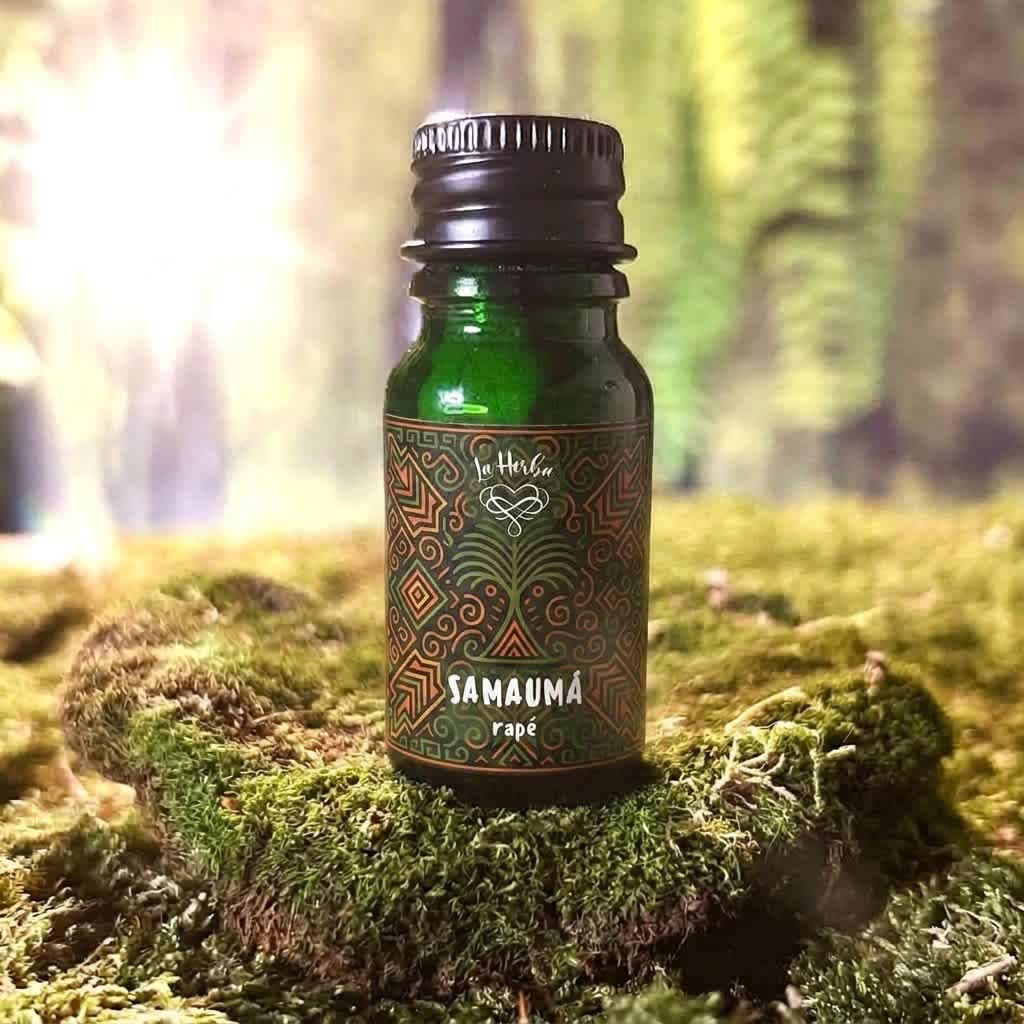
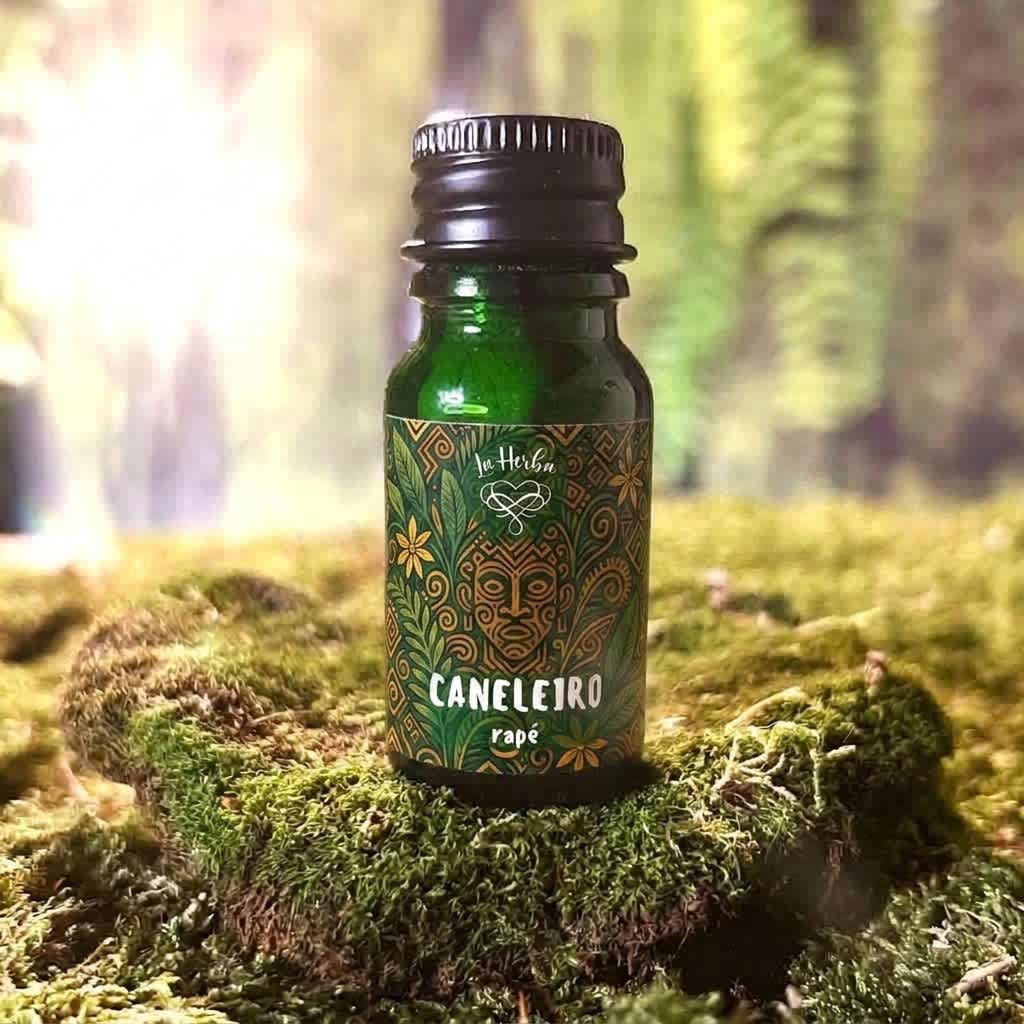
Rapé Caneleiro
GroundingCleansingProtecting
Element of fire and grounding. In the tradition it is associated with a clear mind, balance and harmony.
View product
Login to your account
Create an account and enjoy benefits such as such as a personal profile for easier shopping, 5% off your purchases in our online shop and news straight to your inbox.
Help: You don’t need an account to place an order. Create an Account .
Forgot your password? Click RESET.
Create an Account
We are pleased that you have decided to register in our e-shop. Register and enjoy 5–10% off, faster checkout, and full order history with invoices. .
0 pc | 0.00 €
Shopping cart is empty.
Indigenous peoples of the Amazon
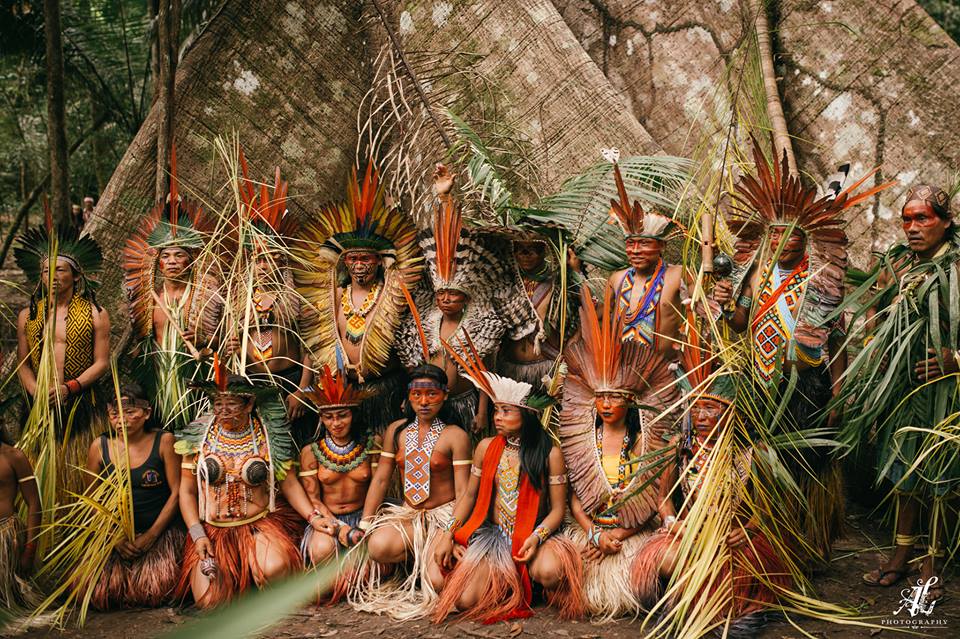
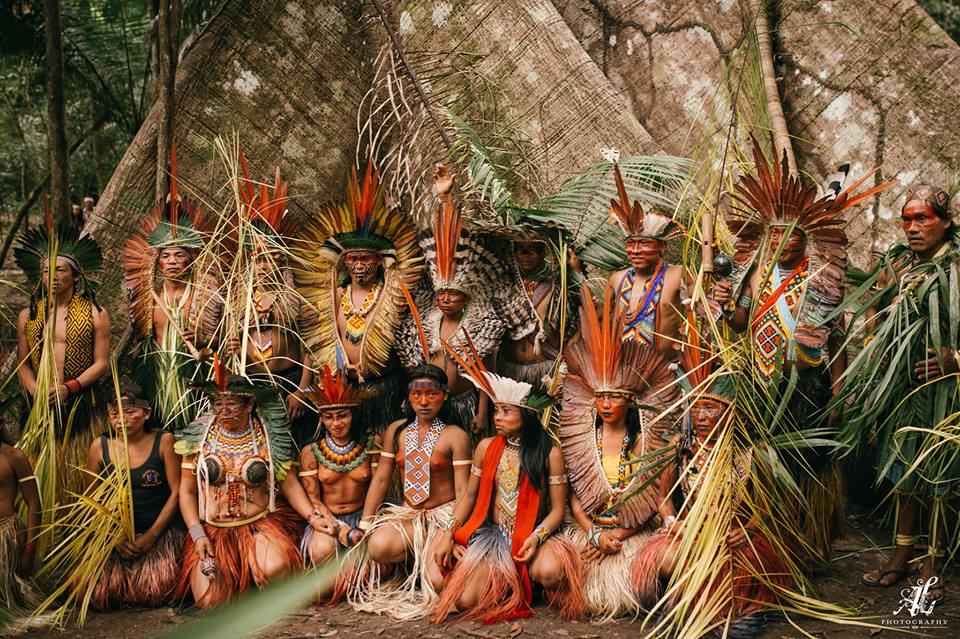
The Huni Kuin, "the real people", are the largest Indigenous nation of the Brazilian state of Acre. For a long time the world knew them as Kaxinawá, but they use their own name.
They live on the border of western Brazil and eastern Peru, along the Tarauacá, Jordão, Purus and other rivers. They are known for the geometric patterns called kene, rich ceremonies, songs and deep knowledge of the forest. A large share of the Rapé available in Europe today comes from their communities.

Name and language
Yes, it is the same people. Huni Kuin is their own name, while Kaxinawá is a name given to them from outside.
From huni (person) and kuin (real, true). Huni Kuin means "real people", and it is how the people call themselves.
Also written Cashinahua, Caxinauá or Kashinawa. Others gave them this name, and it probably began as an insult. Kaxi can mean bat, cannibal or people who walk at night, and nawa means strangers. Today the people prefer Huni Kuin, so La Herba uses that form.
The Huni Kuin speak a language of the Pano family, from the Nawa group. They call it Hãtxa Kuin, "real words". Related peoples with the ending -nawa live nearby, for example the Yaminawa and Sharanawa.
Territory
Almost 12,000 Huni Kuin live in the Brazilian state of Acre and about 2,400 in Peru, which makes them the largest Indigenous people of Acre.
~12,000
in Brazil, Acre (2020)
~2,400
in Peru (2007)
Pano
language family, Nawa group
Purus
one of the main rivers, in Brazil and Peru
In Brazil the Huni Kuin live on several Indigenous territories along the Tarauacá, Jordão, Breu, Muru, Envira, Humaitá and Purus rivers. In Peru they settled along the Purus and Curanja rivers, and part of them lives in the Alto Purús territory, which they share with the Kulina people. The figures come from official data (Brazil 2020, Peru 2007).
History
In short: from forced labour during the rubber boom to winning back their own lands.
Peruvian rubber tappers entered Huni Kuin territory. Two decades later Brazilians replaced them and stayed in the region much longer. Many Huni Kuin were forced to work for rubber "bosses".
Violence, deforestation and disease split the communities apart. After contact with travellers in the middle of the century, a measles epidemic struck some groups and took a large part of the adults.
The Huni Kuin began founding new villages and fighting for recognition of their territories. The communities gradually reconnected, and today almost all groups are close to one another.
Daily life
Hunting comes first. Alongside it people fish, gather forest fruit and grow crops in small plots made by clearing and burning a patch of forest.
Society is divided into two halves, one ceremonial and one for marriage, and the division of work between women and men is the basis of everyday life.
Women plait baskets, string beaded jewellery, make pottery and weave hammocks and clothing decorated with kene patterns.
Men plait some types of baskets, carve tools from wood and make feather ornaments, canoes, bows and arrows.
Art
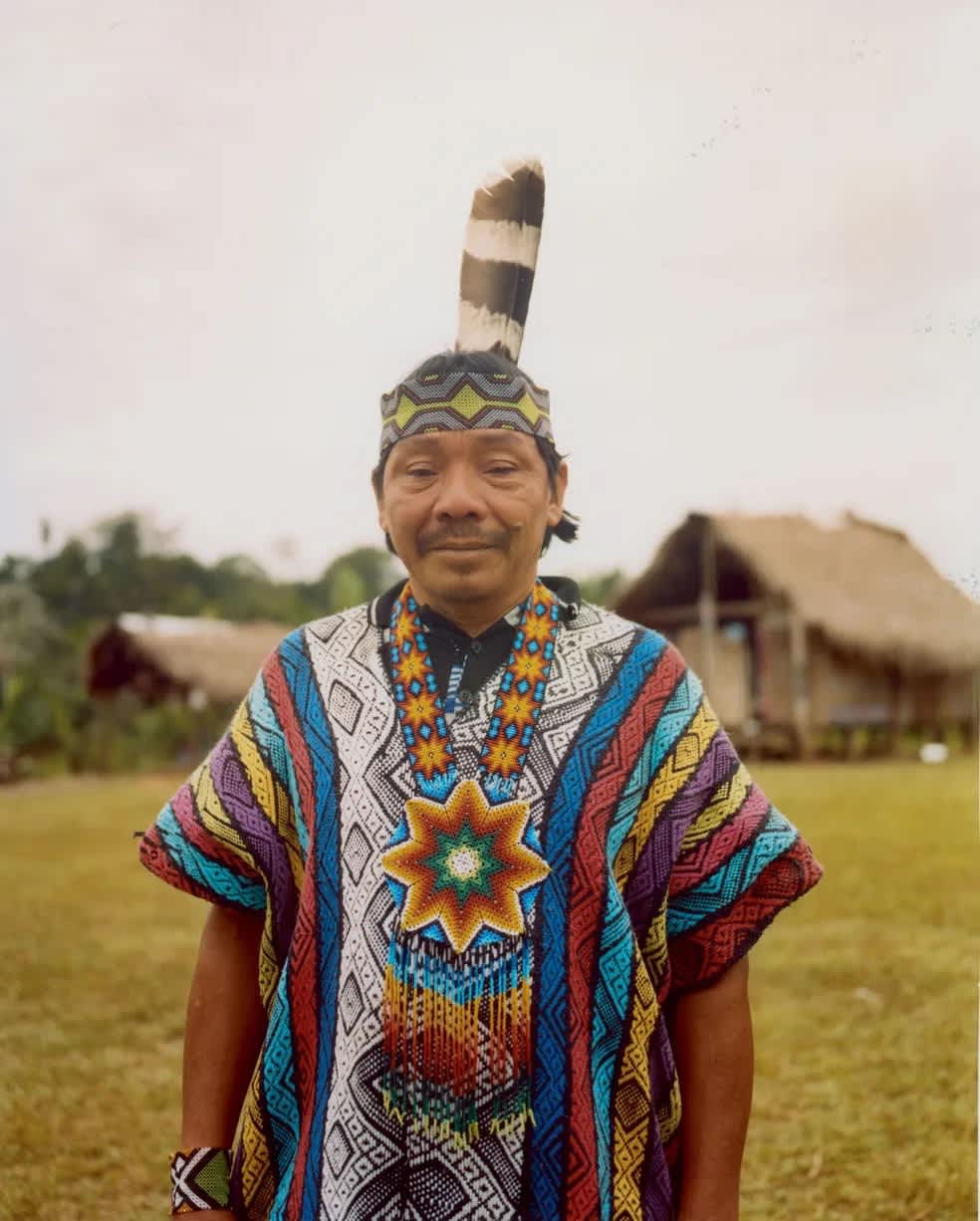
Kene are geometric patterns, and kene kuin means "the real pattern". The Huni Kuin use them to decorate the body, textiles, baskets, pottery and even stools.
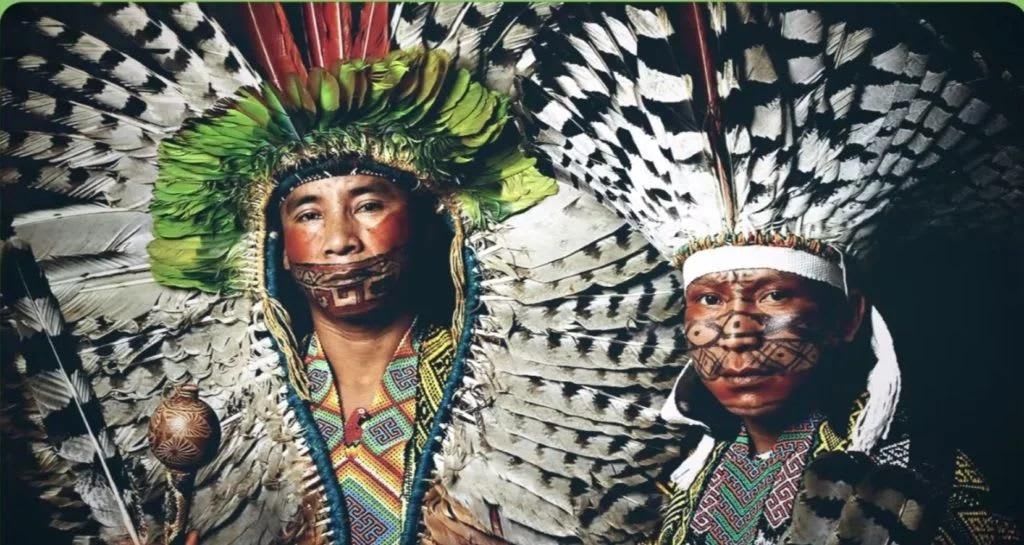
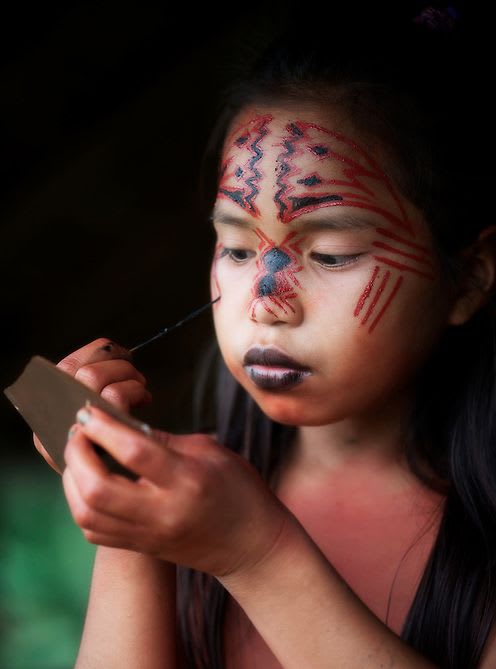
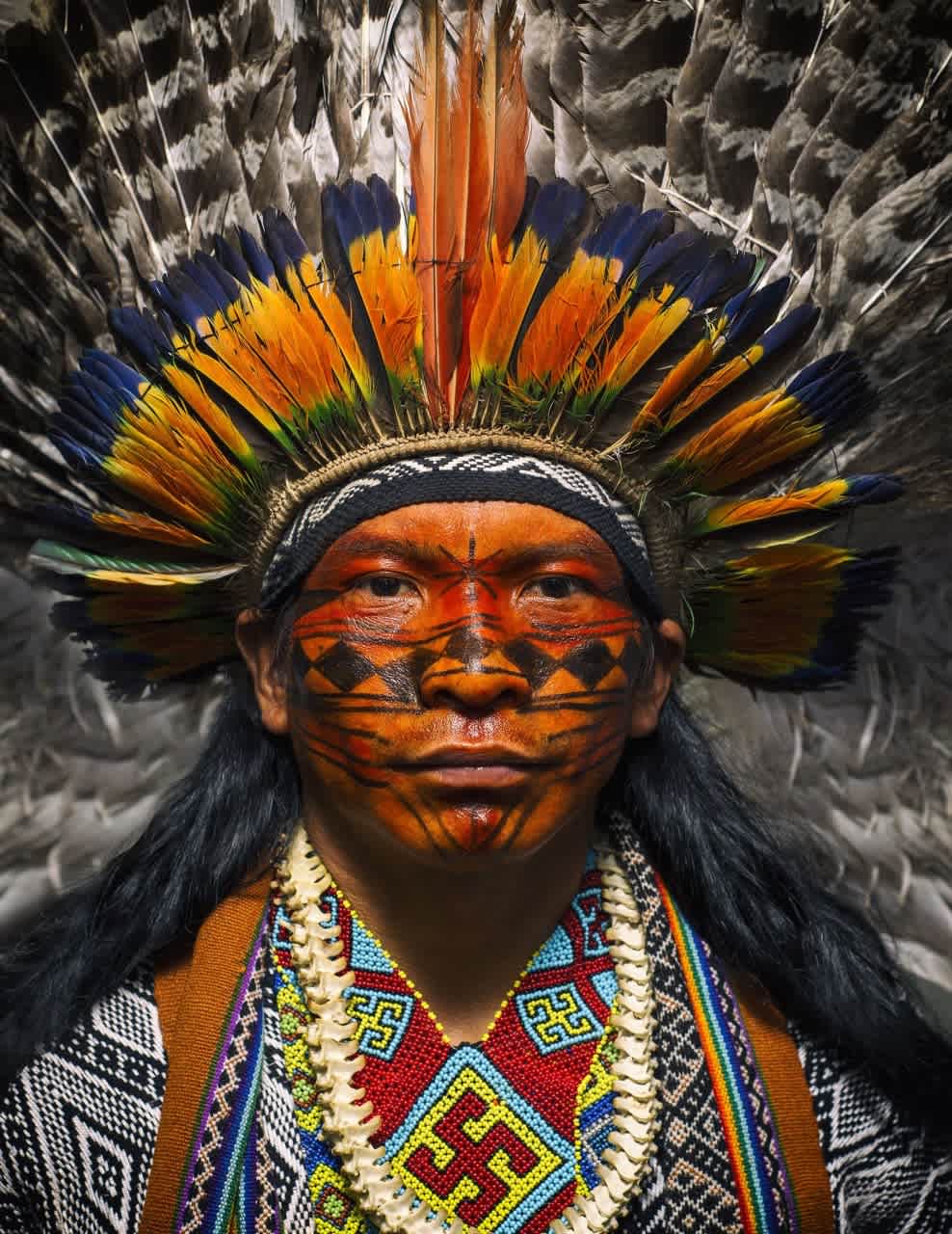
They appear most often during celebrations and at important moments of life. For the Huni Kuin, kene are not simply decoration. They are a language that connects people with the world of spirits, plants and animals, and knowledge of it is passed down mainly among women. During ceremonies the Huni Kuin often paint the body with natural dyes and wear feather ornaments.
Cosmology
Yuxin is a life and spiritual force that, according to the Huni Kuin, lives in people, animals and plants, and also in places such as rivers, lakes and trees. It is the central idea of their spiritual world.
In the tradition a person has a body (yuda), a shadow of the body and a spirit of the eyes. The power of a shaman is called muka. Shamans (mukaya) work directly with yuxin and keep the balance between the human world and the world of the forest, while healers (dauya) work with plants.
According to the tradition, only a true shaman can join the spirit of the community with the spirit of the forest and protect the village. The path there leads through long apprenticeship and a deep change guided by the plant kingdom.
These are traditional and symbolic ideas, not guaranteed effects.
Ceremonies
Three are described most often: Katxanawá, Nixpu pima and Txidin.
Centred on a hollowed palm trunk. The halves of the community exchange hunted game and fish, and men and women ritually tease one another.
Held in the season of green maize. The children's teeth are blackened, followed by a run, swinging in hammocks and a fast of several days.
Held once a year or after the death of an important person. It is led by a female or male singer in ceremonial dress.

FAQ
"Real people", from huni (person) and kuin (real). This is how the people call themselves.
Yes, it is the same people. Kaxinawá is a name given to them by others and it probably began as an insult, so they prefer the name Huni Kuin.
In the Brazilian state of Acre along the Tarauacá, Jordão, Breu, Muru, Envira, Humaitá and Purus rivers, and in Peru along the Purus and Curanja rivers.
About 12,000 in Brazil (2020) and 2,400 in Peru (2007). They are the largest Indigenous people of Acre.
Geometric patterns that the Huni Kuin use to decorate the body, textiles, baskets and pottery. Kene kuin means "the real pattern".
A life and spiritual force that, according to the Huni Kuin, lives in people, animals and plants, and in places such as rivers and trees.
Rapé
Rapé has an important place in both everyday and ceremonial life. It connects the community with the spirits of the forest and accompanies songs and prayers.
In the tradition it is associated with focus and with hunting. Depending on their ingredients, individual blends are said to have a different character. You can read more about Rapé itself in our guide What is Rapé.
These are traditional and symbolic associations, not guaranteed effects.
Intentions are La Herba's orientation labels, not an Amazonian category and not a promise of effect.
A voice of the Huni Kuin
Siã Kaxinawá is a respected leader and shaman from the Jordão river who publicly stands up for the rights of his people.
He took part in founding Indigenous organisations in Acre, including UNI/AC and the association ASKARJ, and he is active in the Alliance of Forest Peoples, which protects the rainforest and the rights of its inhabitants.
Video
Write to us and we will help you compare the Huni Kuin blends by origin, ash base and character.
Contact La HerbaHaux e muita alegria!
La Herba · Sananga
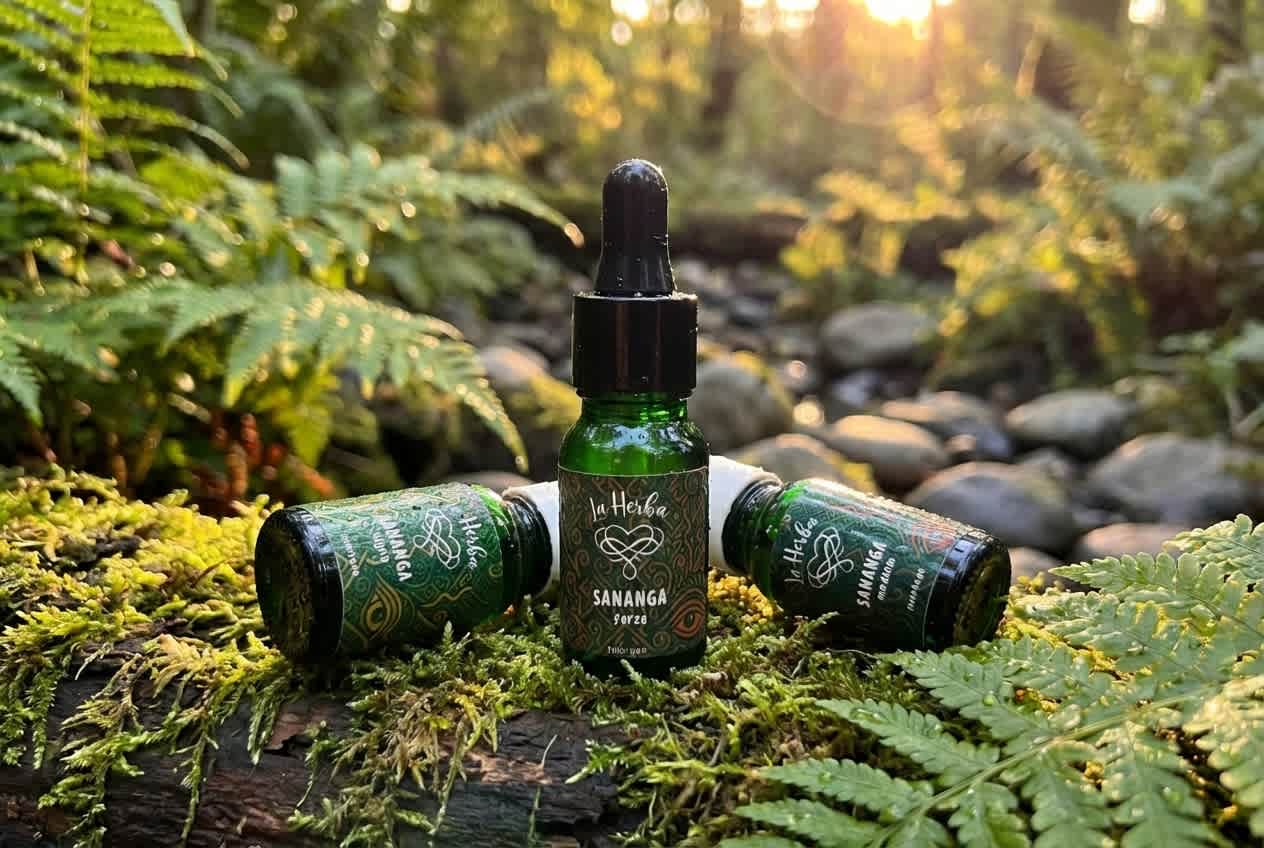
Origin, tradition, composition and important notes about Sananga in one place.
Sananga is a traditional Amazonian preparation made by macerating roots of plants from the Ap...
History of Rapé
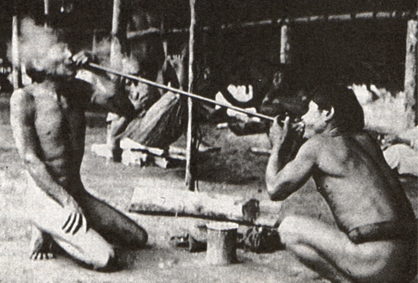
Rapé has been used in the Amazon jungle for thousands of years. Its journey to Europe began in the 16th century and made it a symbol of refinement and status.
Today the tradit...
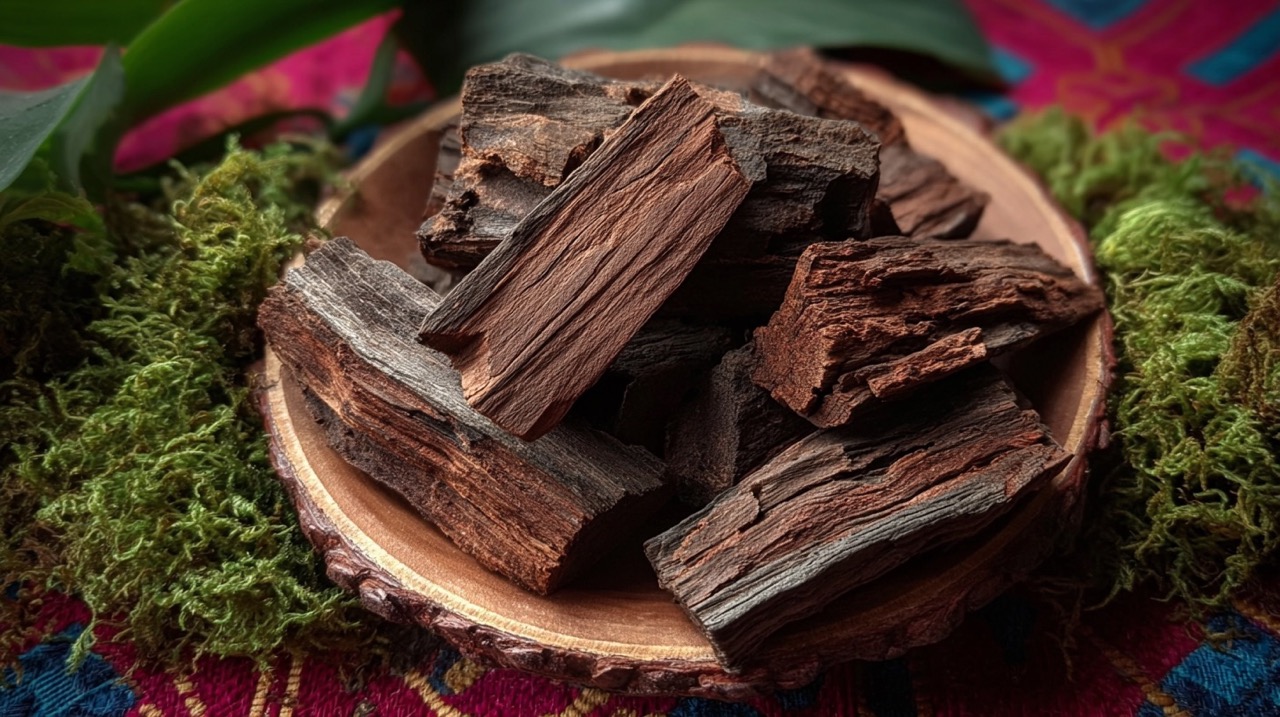
In Iquitos, Pucallpa or Tarapoto, bottles of dark red liquid are sold at markets and in small tin-roofed bodegas. Inside float pieces of bark steeped in aguardiente and honey. Locals simply cal...
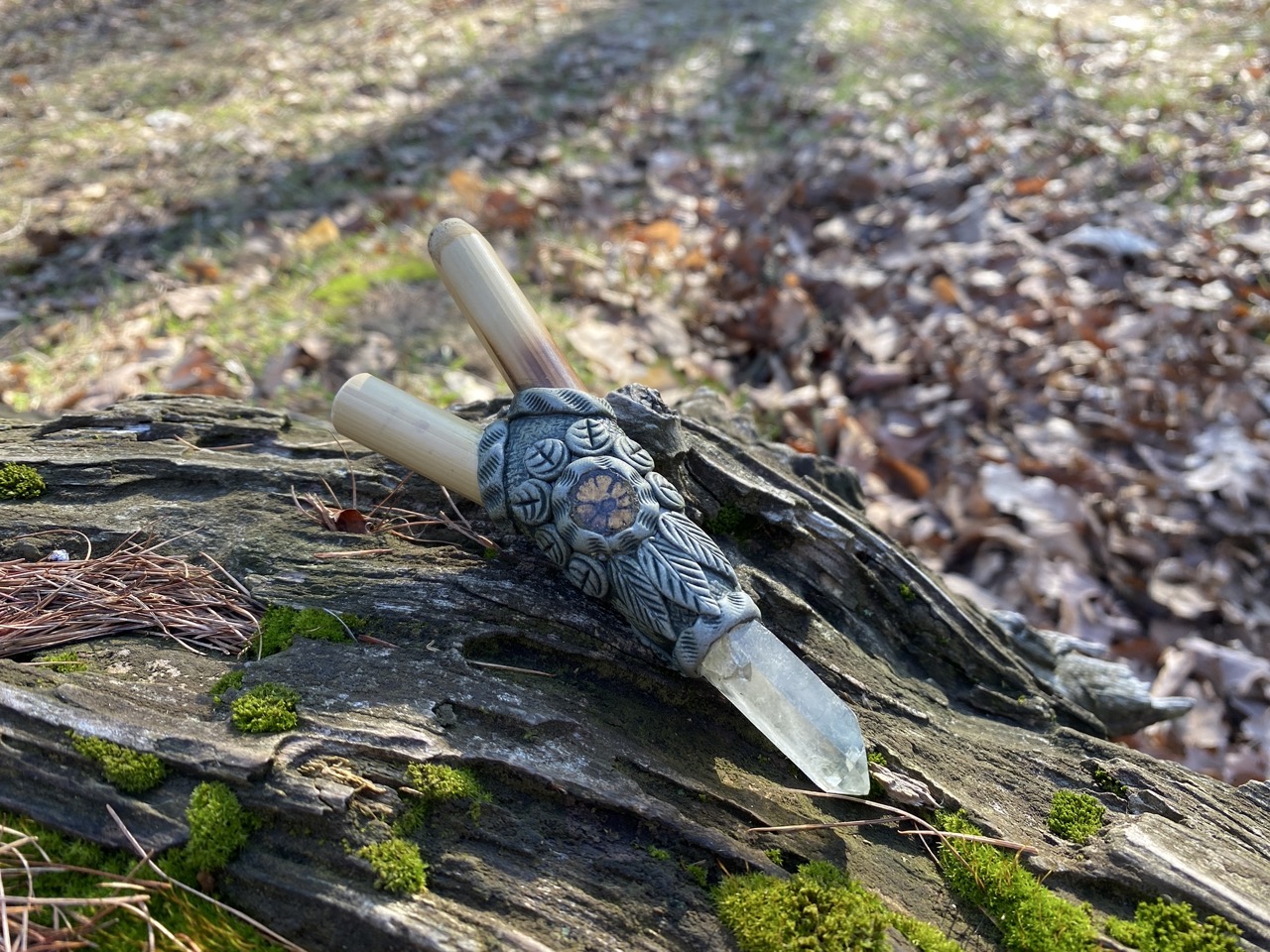
Tepi and Kuripe are traditional blowpipes of indigenous origin, made from wood, bamboo, special stones or bones and often decorated with feathers, mariri, crystals and seeds.
In this article
...