
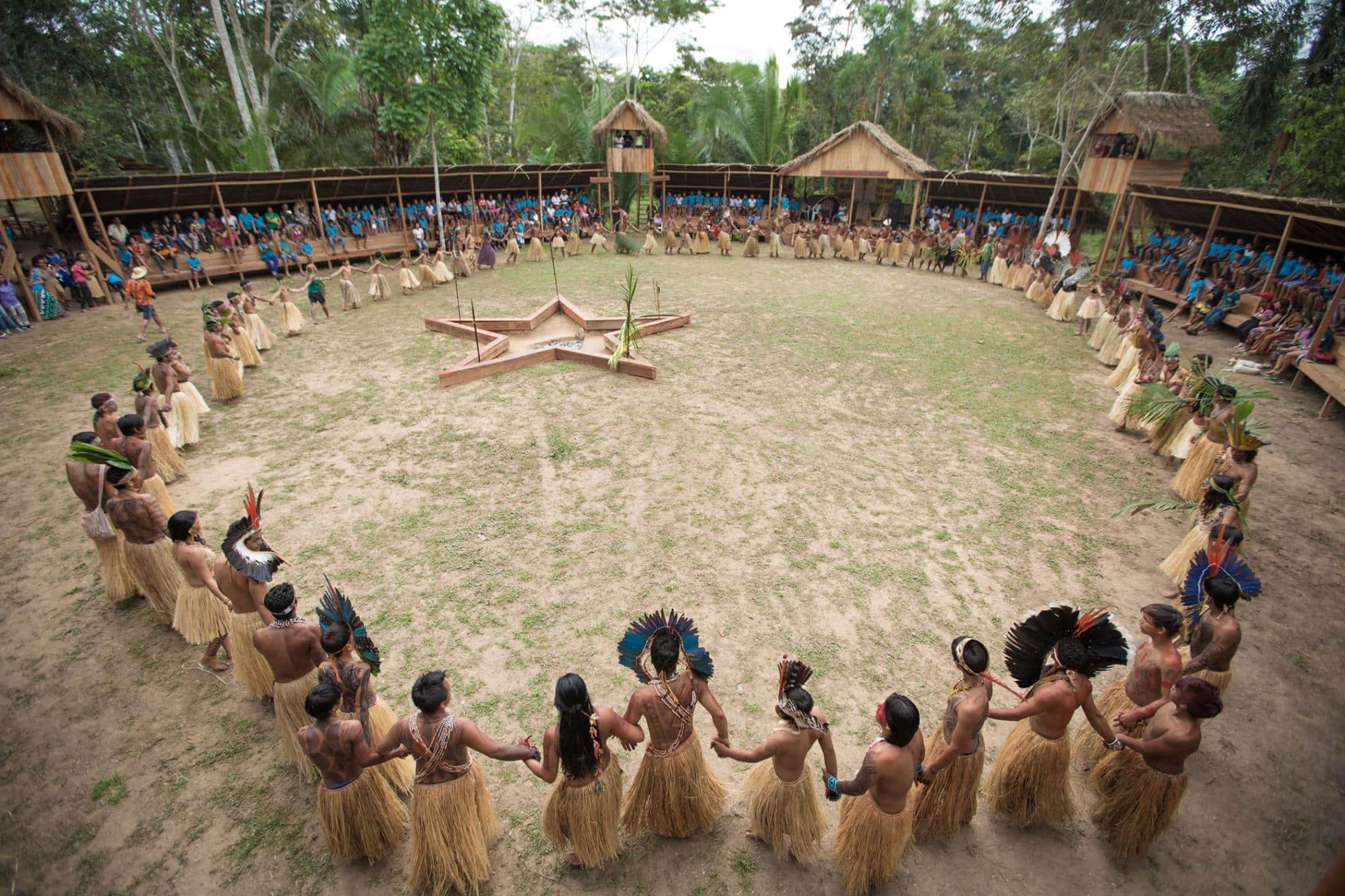
Kuntanawa Tribe
In the late 19th and early 20th centuries, the Kuntanawa tribe was nearly exterminated in the heart of the Amazon by armed groups seeking to establish rubber plantations on their lands, located in the Brazilian state of Acre.
The Kuntanawa have inhabited the Amazon region for centuries, but their history is marked by encounters with colonizers and the exploitation of their natural resources. Throughout the 20th century, many Indigenous groups, including the Kuntanawa, faced land dispossession and population decline due to disease and violent conflicts.
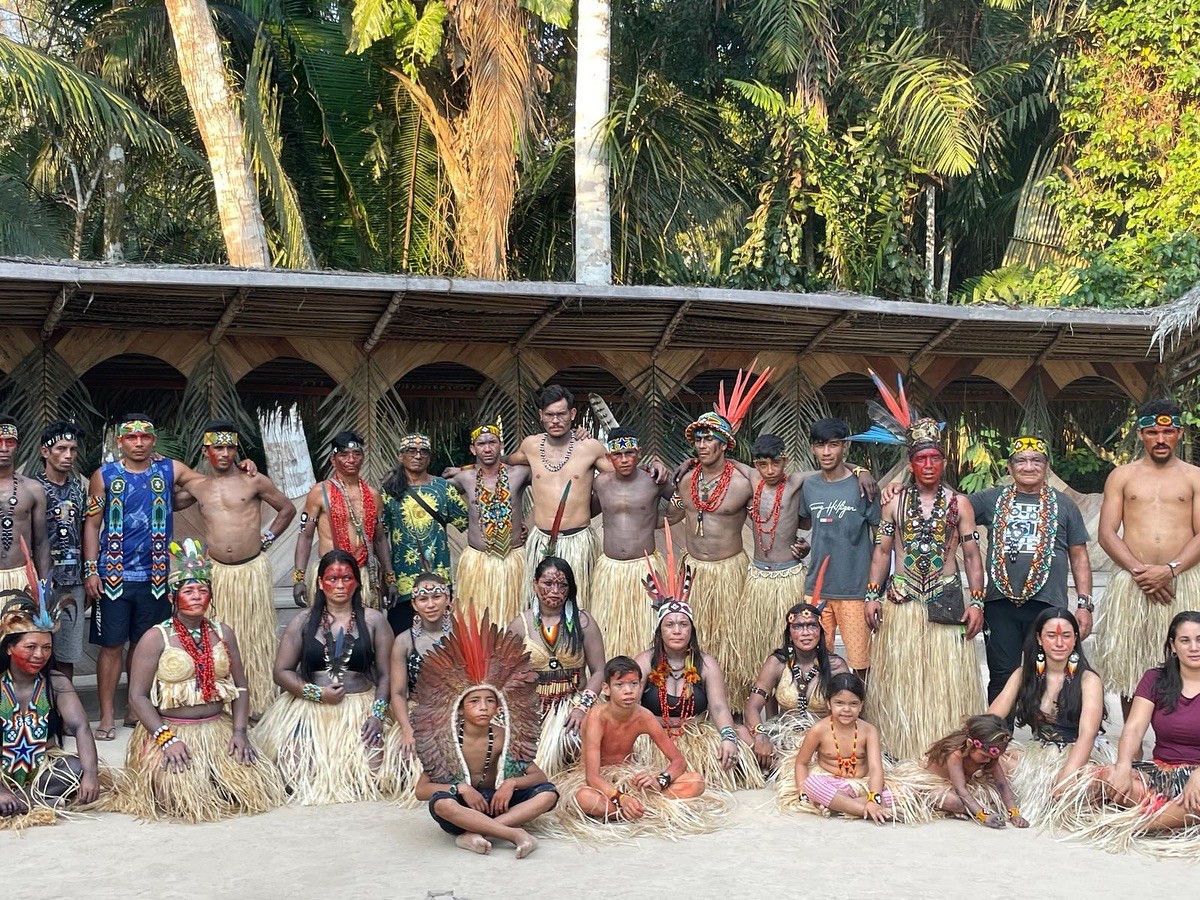
The only surviving descendants of this tribe are members of a large family known in the Upper Juruá region as the “Milton caboclos” (in Acre, the term “caboclo” is used as a synonym for “Indian”), named after their patriarch, Milton Gomes da Conceição.
Today, the tribe is striving to revive the way of life of their ancestors—protecting the Alto Juruá Extractive Reserve, strengthening relationships with other Indigenous communities in the region, restoring rituals involving the ancestral drink ayahuasca, and, above all, preserving the Amazonian territory.
Kuntanawa Society
The Kuntanawa belong to the Pano language family, but their native language is no longer in use—all members of the Kuntanawa community speak Portuguese, and some also speak Spanish. However, efforts are being made to reconstruct their language using the remaining fragments remembered by the tribe’s matriarch, Mrs. Mariana, and by connecting with other Pano-speaking groups such as the Huni Kuin and Yawanawá.
The tribe resides along the upper Tagus River, within the Alto Juruá Reserve, located in the westernmost part of Acre, in the Brazilian Amazon (Marechal Thaumaturgo municipality). Like other Amazonian tribes, the Kuntanawa live in small villages, the most well-known of which is Sete Estrellas.
Kuntanawa Ceremony
Although their population dropped to fewer than two hundred by the mid-20th century, their numbers increased to approximately 400 in 2008. Today, the group identifies as "Kuntanawa," whereas in the past, they referred to themselves as "Kontanawa." In the Pano languages, specifically in Hãtxa Kuin (spoken by the Huni Kuin), the word “konta” has no meaning, while “kunta” refers to the fruit of the "cocão" palm (Scheelea phalerata). Thus, “Kuntanawa” translates to "coconut people."
The Kuntanawa’s social structure is communal, emphasizing family bonds and cooperation. Major decisions are made collectively in tribal assemblies, where members discuss issues affecting the entire community. Elders hold a significant role in passing down knowledge and traditions.
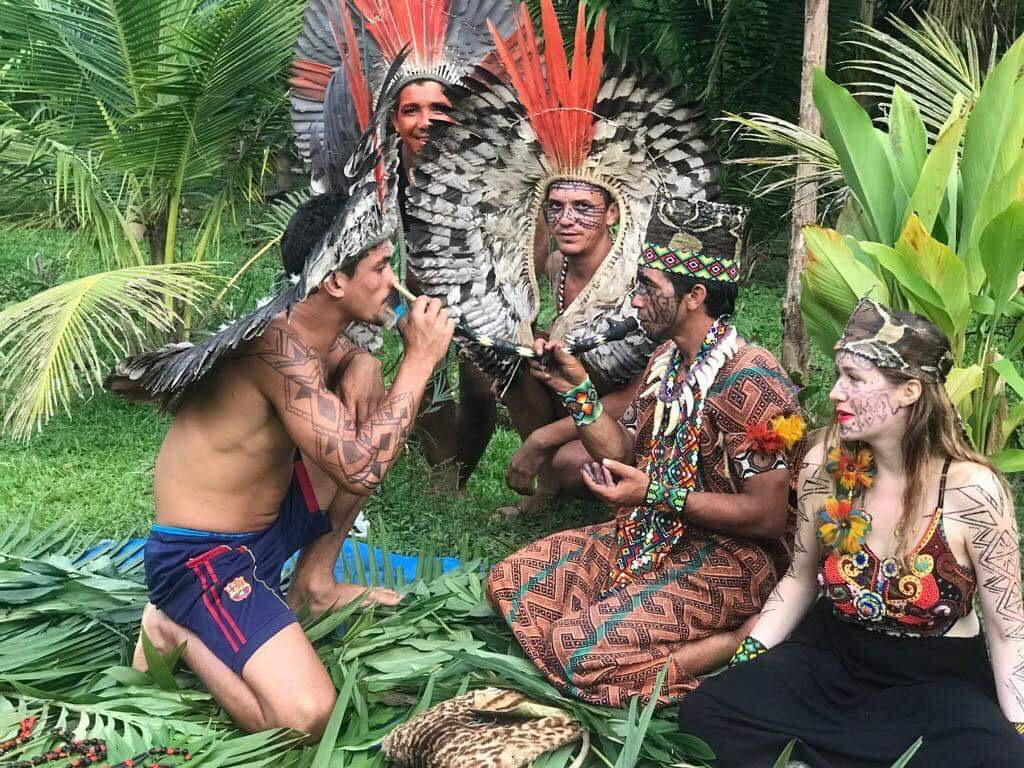
Kuntanawa Rapé Circle
The Tribe’s Mission
According to Haru Kuntanawa, president of the Ascak Association (Social Organization of the Kuntanawa People), the tribe’s primary mission is to protect and preserve the Amazon rainforest, which is fundamental to their livelihood, culture, and spiritual beliefs:
"We strive to maintain our traditional way of life, which is deeply connected to the land and its resources. We believe that preserving the forest is essential for the survival of our people and the biodiversity of this region.
We will continue working to defend the rights of our people and ensure the sustainability of the forest for future generations. We seek to educate our community about the importance of the forest and actively participate in its protection and preservation.
We also collaborate with local and international organizations to promote sustainable development and raise awareness about the significance of the Amazon rainforest."
The Kuntanawa people possess vast knowledge of medicinal plants and their use in traditional healing. This knowledge has been passed down through generations and remains a crucial aspect of their culture, playing an important role in both treating illnesses and performing rituals and ceremonies.
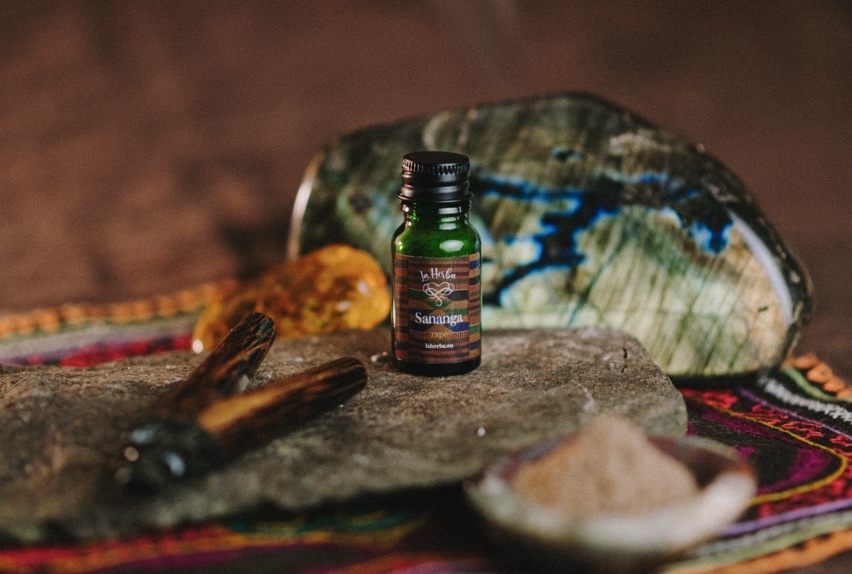
Some of our Rapé's are made by the Kuntanawa tribe, living in Brazil, in Acre, on the upper Tejo River in the Alto Juruá region.
In the village of Kuntamanã lives the "leader" and Pajé Haru Kuntanawa, who is helping his tribe get back on its feet and gain full ethnic recognition. During Brazil's rubber boom, this tribe nearly disappeared, losing many of its traditions and its tribal language.
With the help of the sacred spirit of the rainforest, the Kuntanawa tribe is reawakening and remembering. As Pajé Haru himself says: "I believe that through the plants of power and their guidance, the Kuntanawa people will rediscover their ancient knowledge and remember their lost customs."
That is why we have decided to share with you the Rapé of the Kuntanawa tribe, which holds such a special and deep connection with this shamanic path of remembering.
Haru Kuntanawa
Haru Kuntanawa has also created the "Kunta" project, centered on the village of Kuntamanã, where members of the tribe live and which also serves as a meeting place for tribes such as the Yawanawa, Poyanawa, Kaxinawa, Jaminawa, and Deadawa. Haru strives to create sustainable projects in the village — crafts, a living pharmacy, reforestation, fish farming, and other initiatives that bring cultural, environmental, social, and economic value. Above all, the tribes share knowledge with one another and remember ancient teachings lost between words.
Haux e muita alegria!
Kuntanawa Transform & Illuminate
Mulateiro "Tree of Youth"
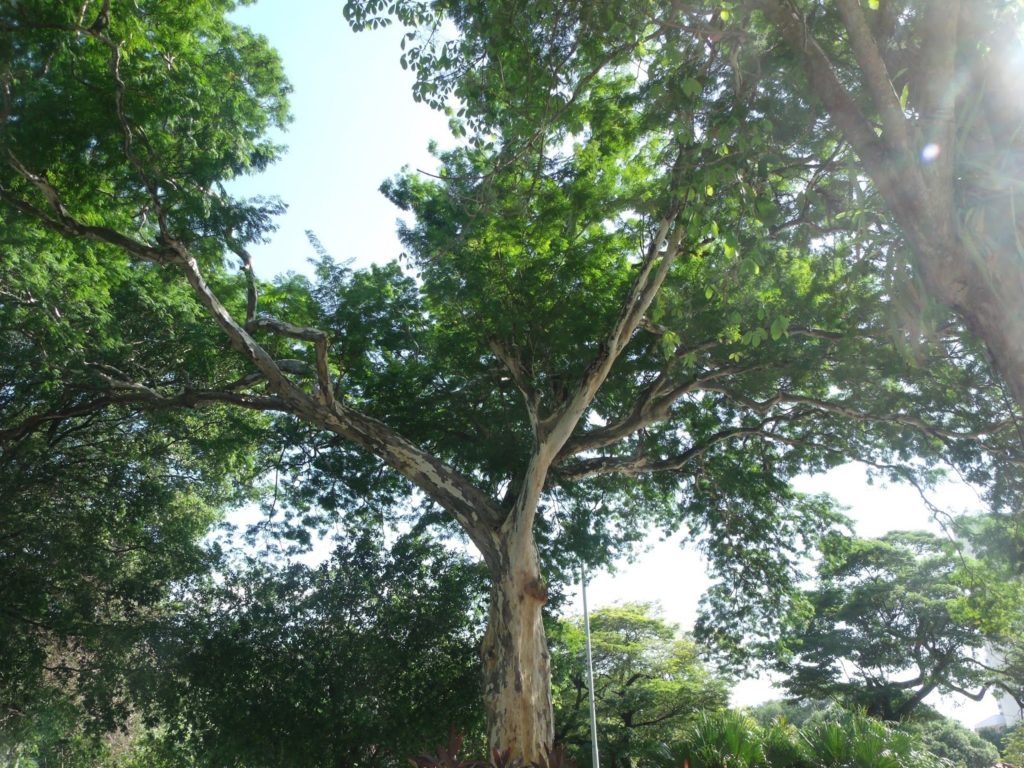
Mulateiro (Calycophyllum spruceanum) is a large tree with a height of 20 to 35 meters. It is a native plant of the tropical regions of the Amazon, including Colombia, Ecuador, Peru, Bolivia and Bra...
Kambo frog vaccine medicine
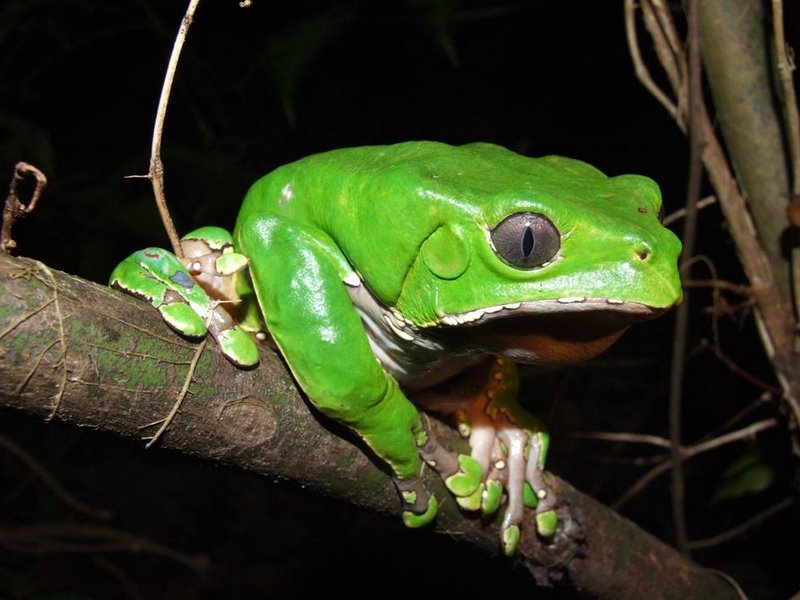
Kambô, also known as the “frog vaccine,” is the cutaneous secretion of the frog Philomedusa bicolor, native to the Amazon rainforest. Originally, the use of kambô is associated with the native conc...
Mapacho / Rapé icaro for calming and grounding energies
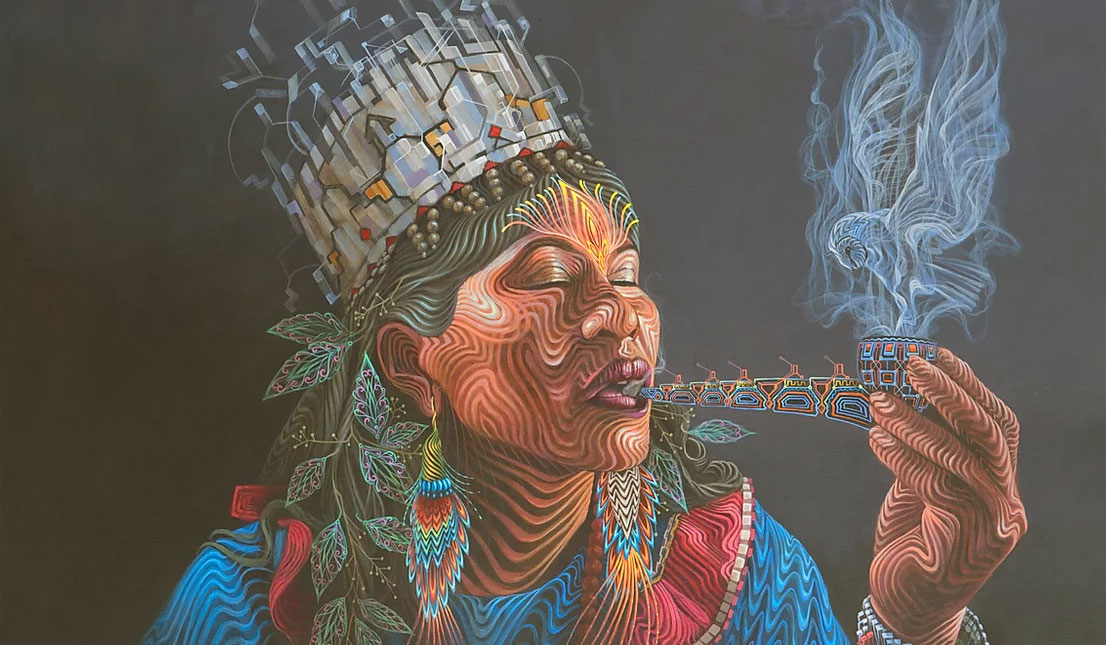
In the Amazon tradition, when an apprentice follows the path of the curandero (“healer”), he follows diets that allow him to connect with the spirits of the plants. In this moment of deep communion...
Shawãdawa (Arara) tribe
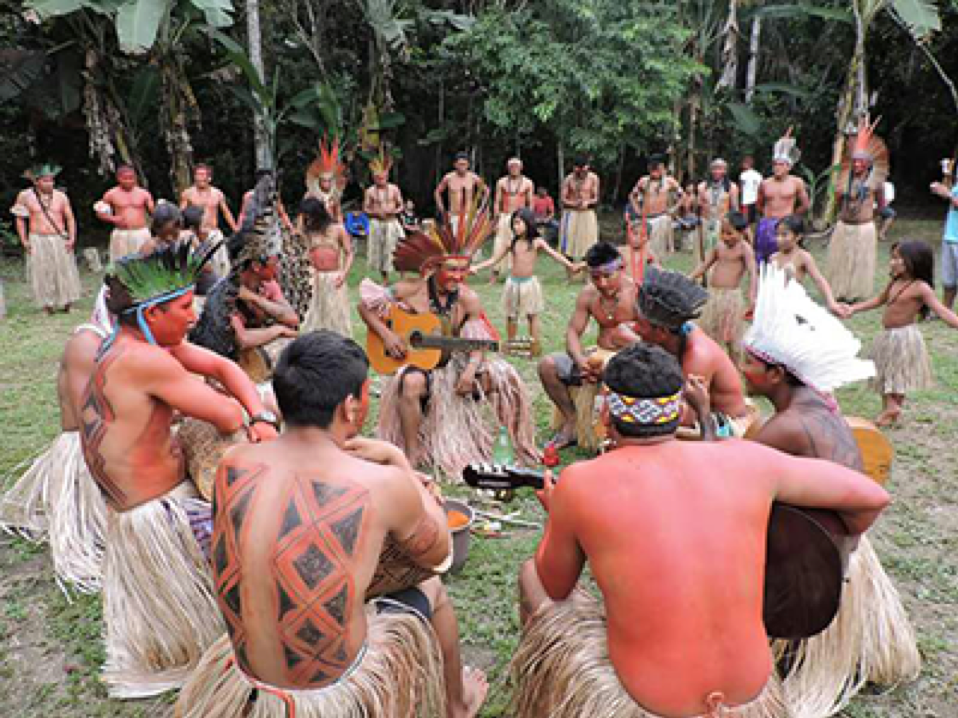
‘Shawa’ means the red parrot Ara and ‘dawa’ means family. Around 1940 the tribe was thought to have died out. In the 1970s, the government tried hard to reach out to them because a highway was bein...