

Table of Rapé Intentions
Every Rapé carries its own spirit, intention, and energetic signature, shaped by the types of ash and plants used in it. Some blends can ground you deeply, others open the heart, sharpen inner vision, or create a quiet space for ceremony and dreamwork. Choosing the right one is less about strength — and more about what is needed right now.
At La Herba, after subjective research, we classified the entire collection using a clear framework of energetic intentions: cleansing, grounding, ceremonial, heart-opening, protecting, dreamwork, and warrior (masculine) energy. Each blend has a primary intention — its main purpose, strength, gift — followed by secondary and tertiary qualities that shape its character.
Every blend could be described through further qualities, but for practicality we simplified them to three intentions: primary, secondary and tertiary. Think of them as a map, not an exact description of the terrain: some blends, because of their specific composition or method of preparation, may not fit this division entirely.
The complete Rapé collection at a glance
The table below presents our complete Rapé collection at a glance. For each blend you will find three intentions ordered by weight: the primary one describes the blend’s main character, while the secondary and tertiary ones complete it. Blend names link to the product pages.
Browse all blends in our Rapé collection, or read the full guide to Rapé intentions and types.
This product is offered exclusively for ethnographic, historical, cultural, educational and research purposes. It is not intended for ingestion, inhalation, smoking, or any internal or medicinal use.
The information on this page is educational only and does not constitute a recommendation for use. Handling of the product is entirely the purchaser’s responsibility. Read our full disclaimer.
What Is Rapé (Hapé)? Sacred Amazonian Shamanic Snuff Guide
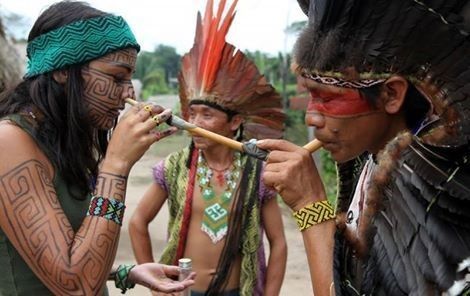
If you’ve found your way here, you’ve probably already seen Rapé spelled five different ways and wondered which one is “right.” Rapé, Hapé, Hapeh, Rapeh, even Ruma — they all point to the same ...
Katukina (Noke Koi) tribe
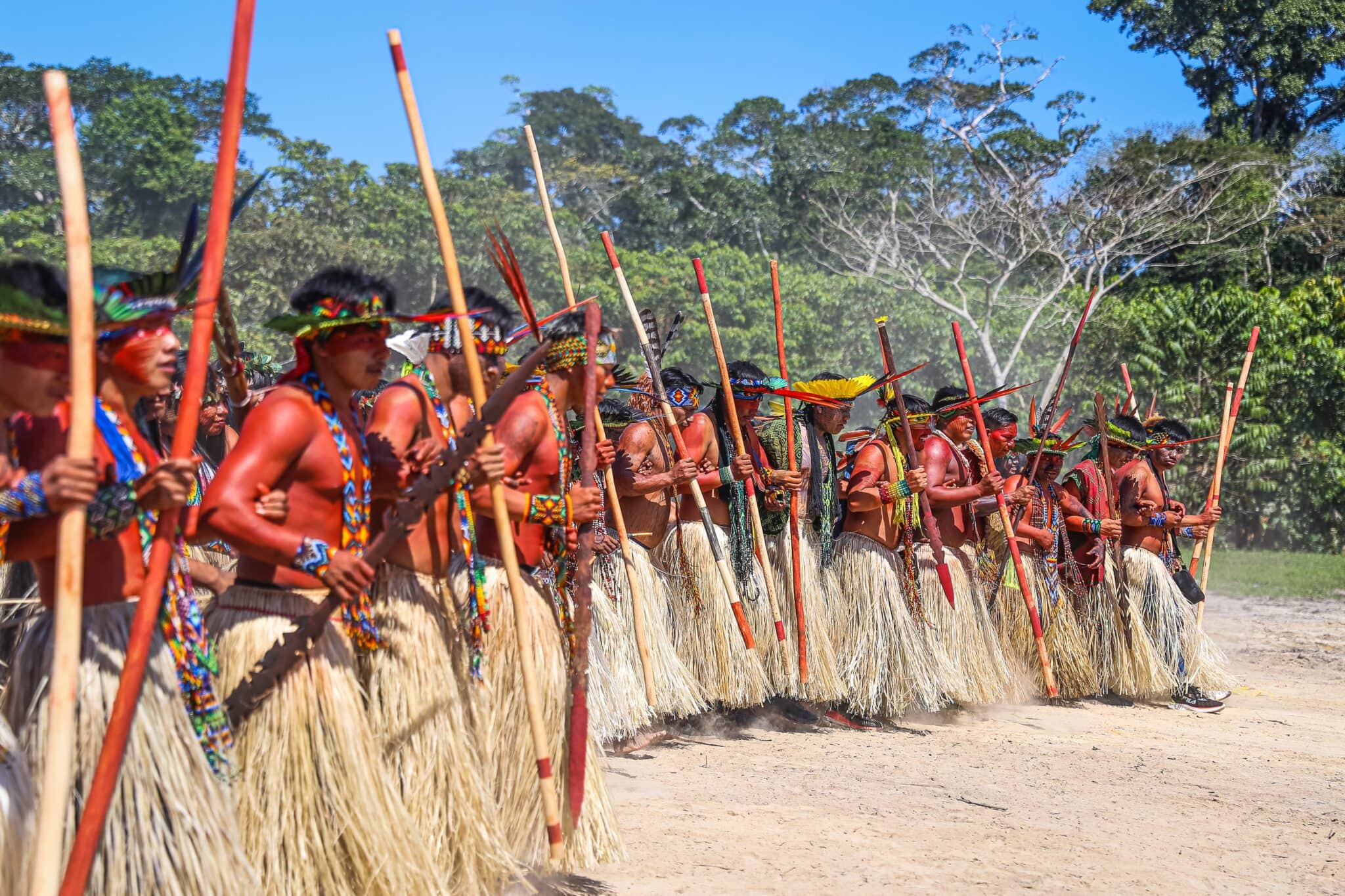
On the border of the Brazilian states of Acre and Amazonas, along the Campinas and Gregório rivers, lives an indigenous nation known to the outside world as the Katukina. They themselves never used...
Tepí - blowers, applicator for Rapé
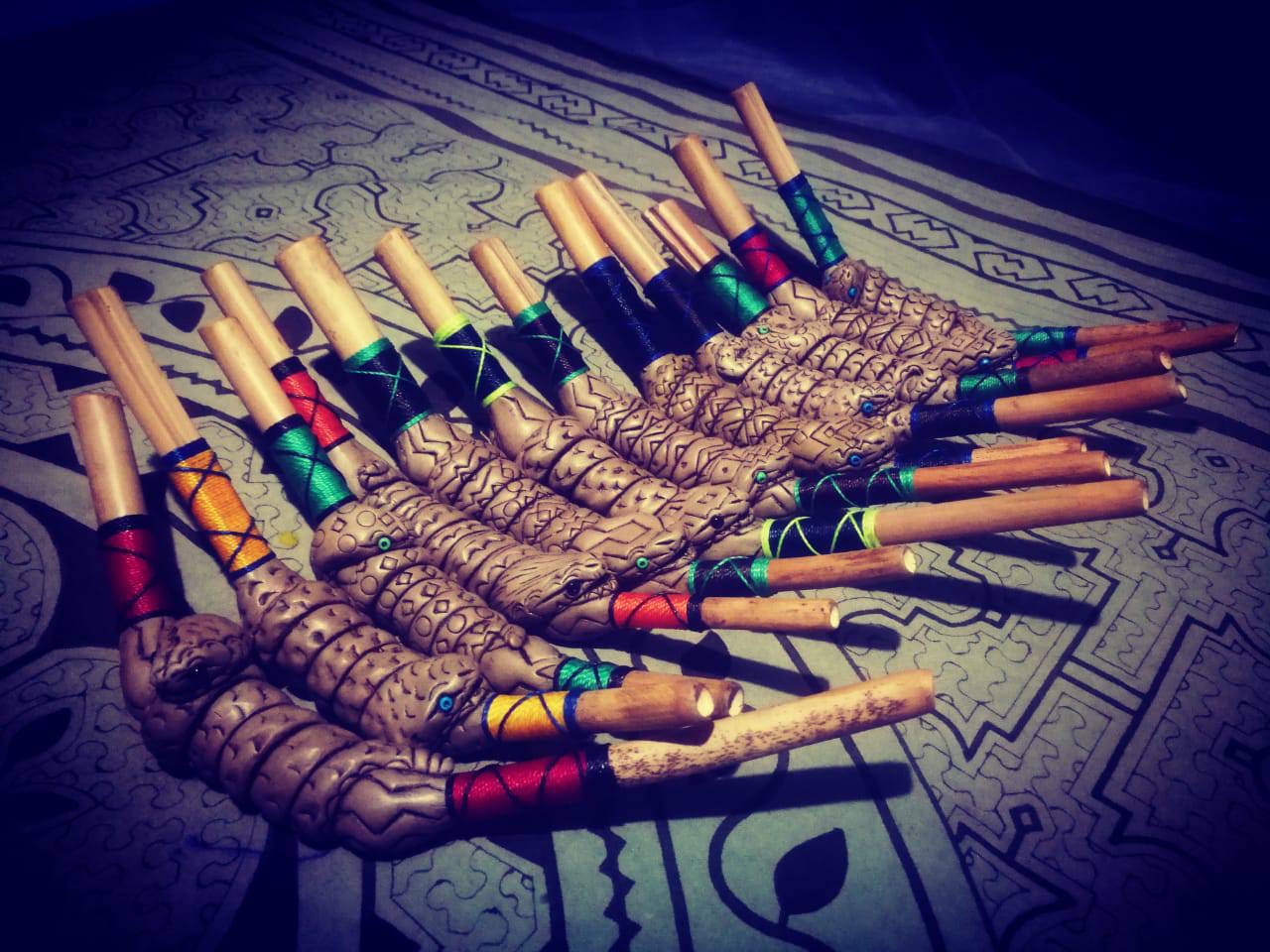
The Tepi is an applicator that is used when somebody wants to blow mediciny to another person, normally a shaman or the person conducting a ceremonial.
The people in the forest use it for cere...
Mapacho / Rapé icaro for calming and grounding energies
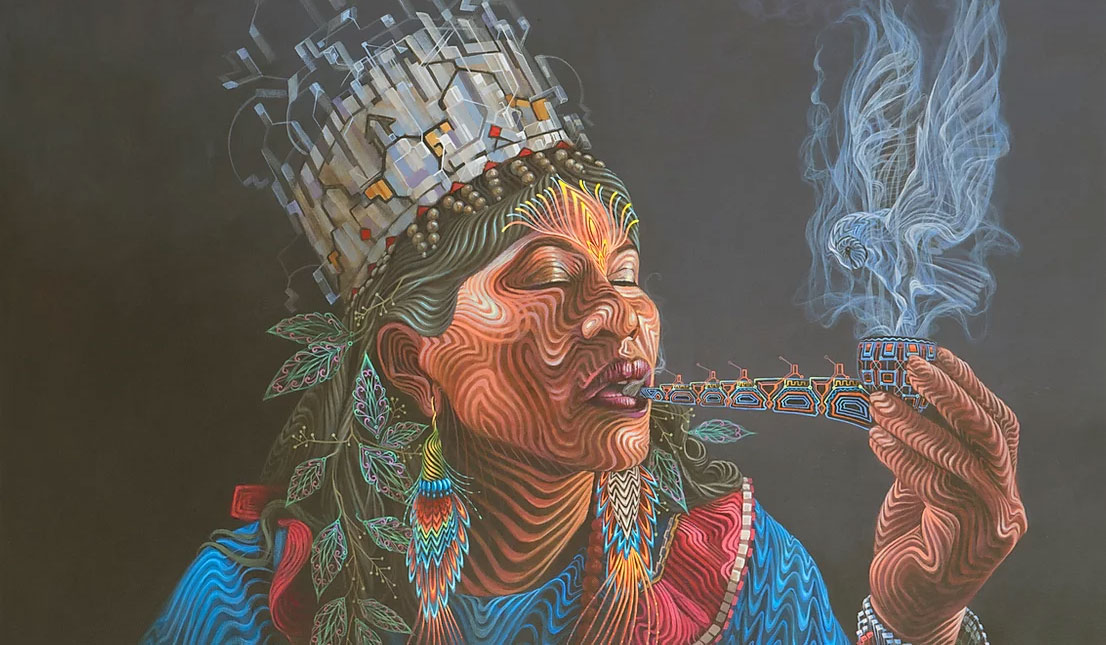
In the Amazon tradition, when an apprentice follows the path of the curandero (“healer”), he follows diets that allow him to connect with the spirits of the plants. In this moment of deep communion...