
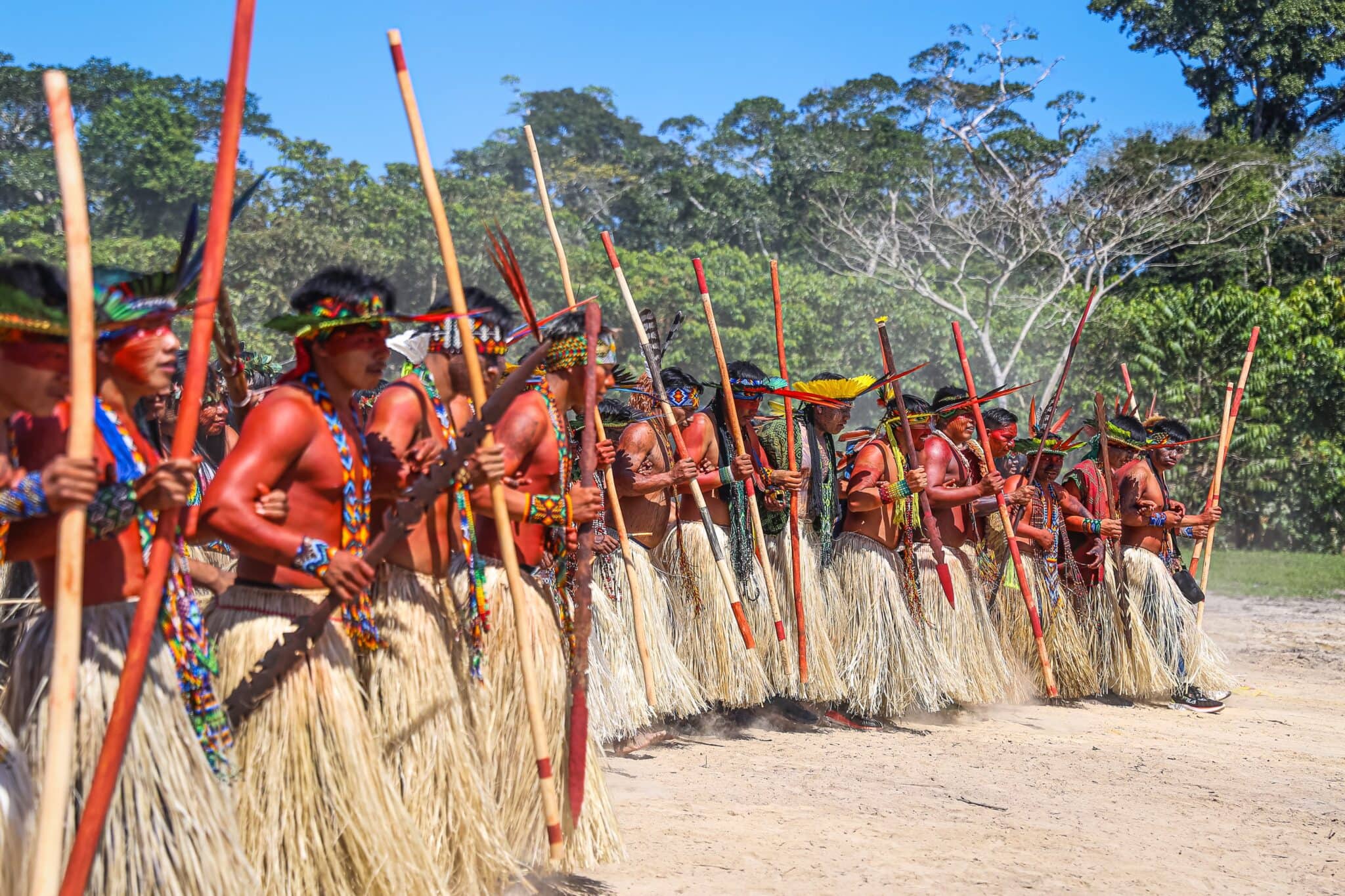
Katukina (Noke Koi) tribe
On the border of the Brazilian states of Acre and Amazonas, along the Campinas and Gregório rivers, lives an indigenous nation known to the outside world as the Katukina. They themselves never used this name — it is, in their own words, a label "given by the government." Many prefer the name Noke Koi, meaning "true people" in their own language. This tension between an imposed name and a lived identity captures their story well: a nation that, despite more than a century of outside pressure, has preserved its language, its social structure, and its traditional medicine.
A Name That Came from Outside
The term "Katukina" was used from the first half of the 19th century by missionaries, travellers, and government agents — rather loosely, for several linguistically unrelated groups in the Juruá river region. Today the name refers to three groups: one from the Katukina linguistic family near the Jutaí river, and two from the Pano family in Acre. The nation we write about here belongs to the latter.
The real identity of the Noke Koi rests not on this external name but on the six clans into which they divide:
- Varinawa — People of the Sun
- Kamanawa — People of the Jaguar
- Satanawa — People of the Otter
- Waninawa — People of the Peach Palm
- Nainawa — People of the Sky
- Numanawa — People of the Dove
These clan names reflect a deep bond with the forest and its cosmology. Remarkably, most of them are identical to the names of subgroups of the Marúbo people from the Javari river basin. When members of the two groups met by chance in the port of Cruzeiro do Sul in the 1990s, they discovered they spoke similar languages and shared the same clan names. The Noke Koi today believe that they and the Marúbo once formed a single people in the distant past.
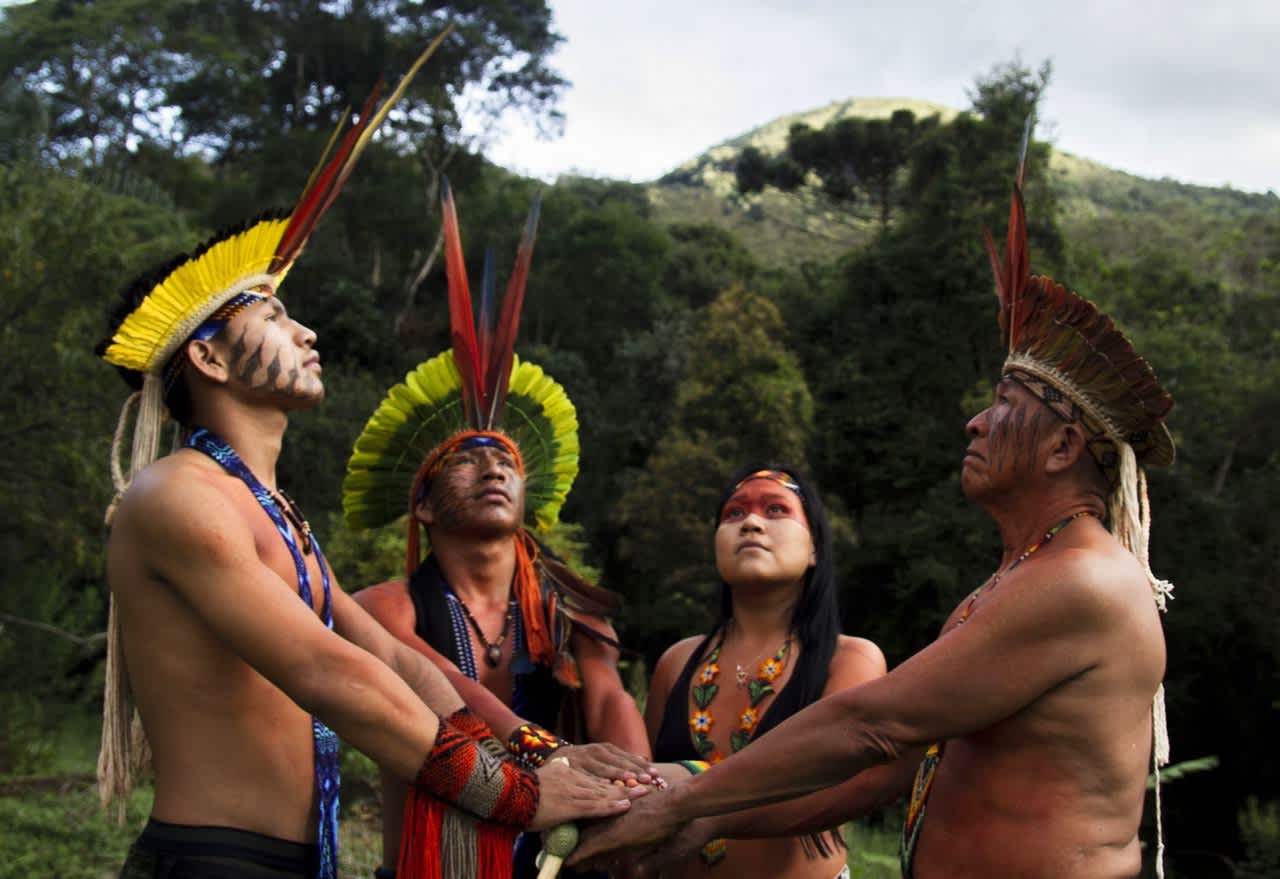
A Language That Survived the Highway
The Noke Koi language belongs to the Pano linguistic family and is marked by strong nasalization. New words are formed by combining existing ones or adding suffixes, and personal pronouns make no distinction of gender.
What stands out is how well the language has survived. While most Pano nations have lost much of their language, with younger generations barely speaking it, the Noke Koi are the opposite — even though one of their villages sits directly beside the BR-364 highway near the town of Cruzeiro do Sul, with all the outside influence that brings. Among themselves they speak only their own language; Portuguese is reserved for outsiders. Children begin learning it only around the age of seven or eight, and many women and elders speak almost none. Less than half the population is fluent in Portuguese — in the Amazonian context, a remarkable testament to cultural resilience.
The Rubber Boom and the Years of Dispersal
Contact with the white world began for the Noke Koi around 1880, when the rubber boom swept the upper Juruá. Their territory, rich in rubber trees, was quickly occupied by Brazilian and Peruvian extractors. What followed were the so-called correrias — armed raids intended to drive out or exterminate the indigenous population and clear access to the trees.
The Noke Koi scattered through the forest to escape these raids. They could not even plant their own gardens — these would have left a trail leading straight to them — and survived on hunting and gathering. When the worst period ended, around the first decade of the 20th century, they had little choice but to work in the rubber industry themselves, dispersed across different extraction zones. Memories of flight, violence, and separation are still passed down within families today.
Only in the mid-1980s did the Noke Koi gain legal guarantees to the territory where they live, finally breaking their dependence on the rubber bosses. Today they inhabit two territories — one on the Gregório river, which they share with the related Yawanawá nation, and one on the Campinas river. The present is not free of threats either: their lands face repeated incursions by illegal loggers.
Guardians of Rapé and Kambô
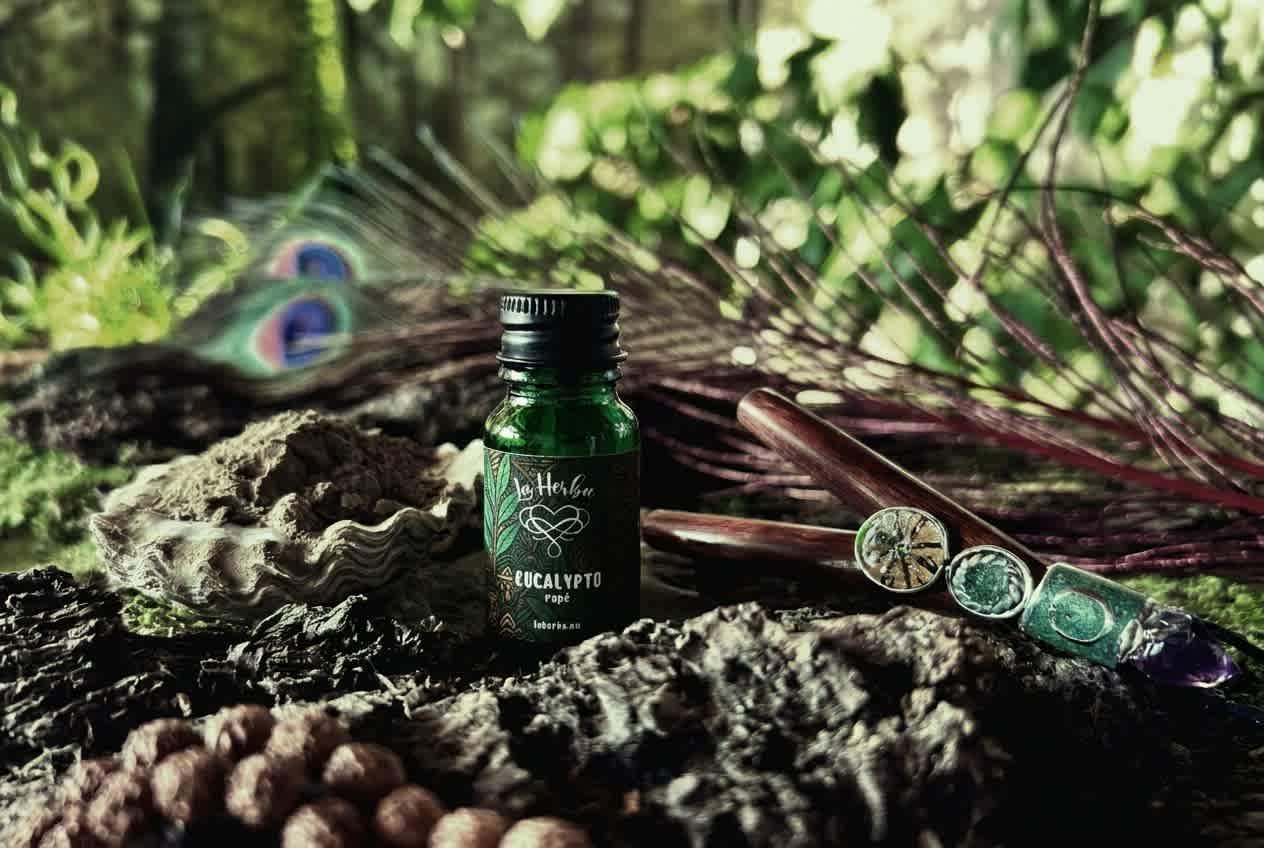
The Noke Koi are among the nations with the deepest knowledge of medicinal plants in the Brazilian Amazon. Their best-known contribution to the world is rapé — a sacred snuff of tobacco and other plants which, in their tradition, serves to cleanse the mind and body, sharpen concentration, and deepen spiritual connection. They were among the first to introduce rapé to the world beyond their community, and their blends are valued for their strength and authenticity.
Equally significant is their role with kambô, a medicine derived from the secretion of the Phyllomedusa bicolor frog. The Noke Koi consider themselves the first nation to receive kambô directly from the frog, and they are widely recognized as masters of this practice. Sananga and ayahuasca are also traditionally prepared within the community.
Importantly, these medicines are not a "product" for the Noke Koi — they are part of a living spiritual and healing tradition they have chosen to share. Each family within the nation brings its own perspective and experience to the preparation of rapé, so individual blends carry the signature of particular people, not an anonymous "tribal recipe."
Why It Matters
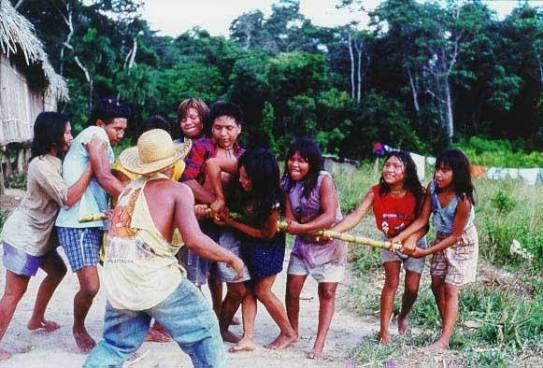
The story of the Noke Koi is not a romantic tale of an "untouched tribe" — it is the story of a real nation that endured violence, displacement, and economic exploitation, and still preserved its language, its clan structure, and its medicinal knowledge. When we hold rapé from their hands today, we hold the result of that resilience.
Respecting this heritage means knowing the context: where the medicine comes from, who prepared it, and how it reached us. Direct cooperation with the families and communities who carry the tradition is the only way to ensure that the growing interest in Amazonian medicine benefits, above all, the people to whom this tradition belongs.
Kariri-Xocó tribe
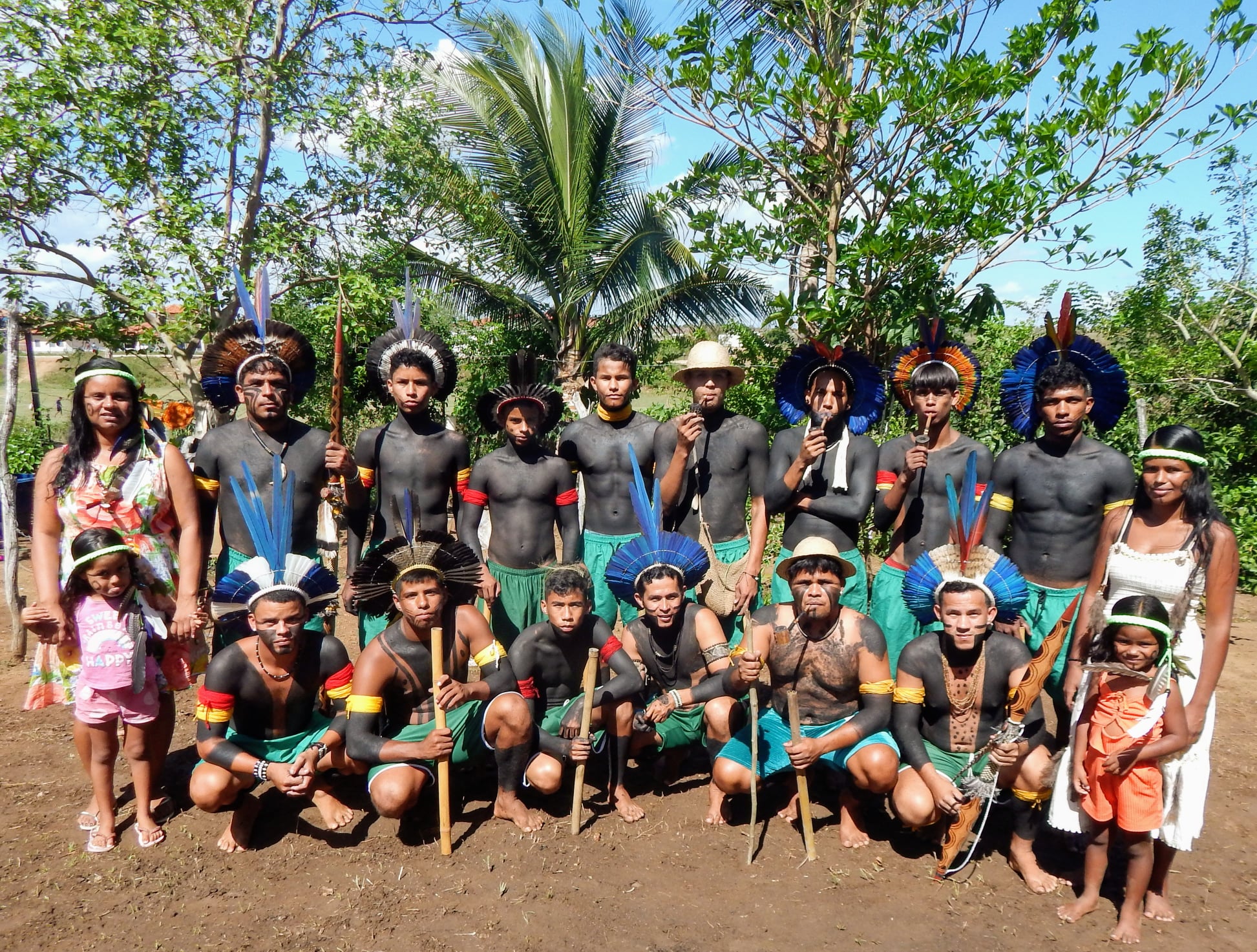
The Kariri-Xocó: A Proud People Holding Space for Spirit and Tradition
Nestled along the banks of the great São Francisco River in the Brazilian state of Alagoas, the Kariri-Xocó community is...
Chilcuague - Aztec Gold Root
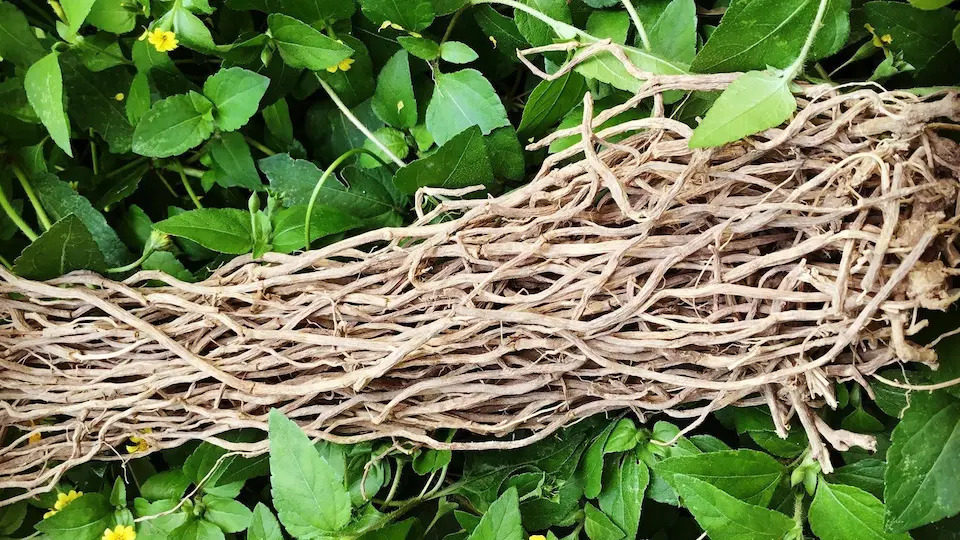
Chilcuague, also known as Heliopsis longipes or "Aztec Gold Root," is a medicinal plant native to central Mexico, particularly the Sierra Gorda region. Its root has been traditionally used for its ...
Yawanawa Tribe
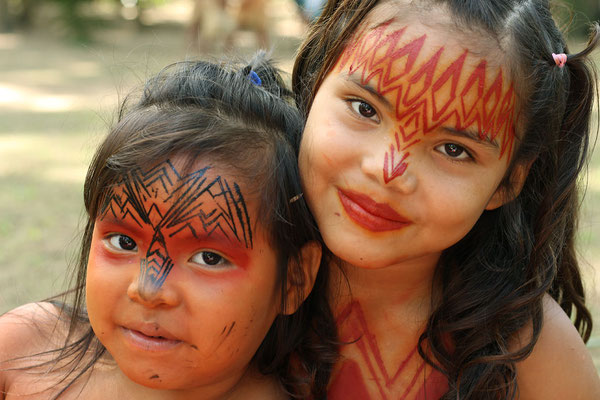
Since time immemorial Yawanawa people have lived in harmony with nature on the banks of the Gregorio river in the Amazonian region that concentrates the greatest biodiversity on the planet. In this...
What Is Sananga? Complete Guide to Traditional Amazonian Use
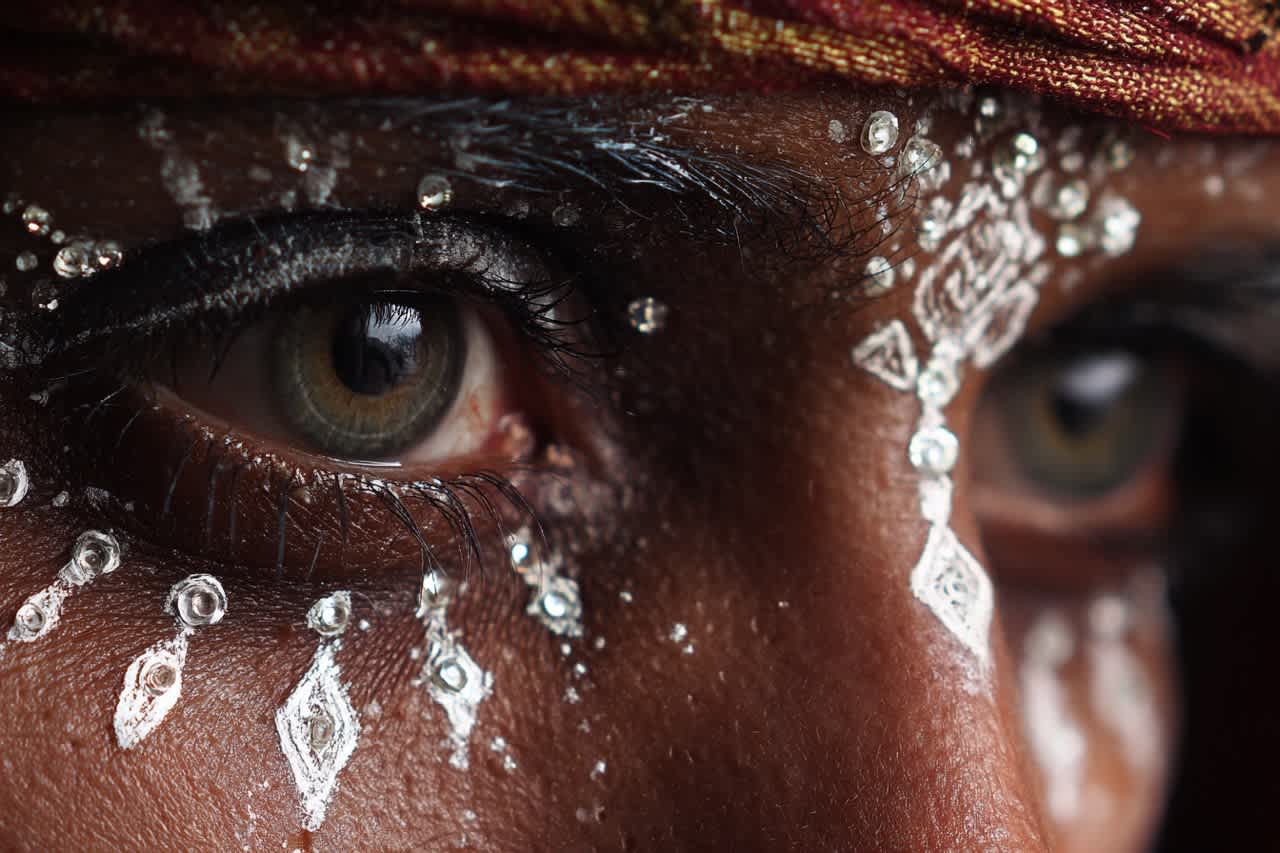
Sananga is a traditional Amazonian plant preparation associated primarily with the roots and root bark of plants belonging to the Tabernaemontana genus. In different traditions of the western Amazo...