

What Is Sananga? Complete Guide to Traditional Amazonian Use
Sananga is a traditional Amazonian plant preparation associated primarily with the roots and root bark of plants belonging to the Tabernaemontana genus. In different traditions of the western Amazon, it appears in connection with hunting, perception, ceremony and the cultural concept known as panema.
Outside the Amazon, Sananga is often reduced to the intensity of the physical experience associated with it. Ethnographic descriptions do mention strong burning and tearing, but this is only one part of a broader botanical and cultural story. [1][2]
There is no single universal Sananga plant, recipe or tradition shared across the Amazon. The plants used, local terminology, preparation methods and cultural meanings can differ between regions and communities.
This guide therefore separates three things that are often mixed together online: the botany of Sananga, documented Amazonian traditions and modern interpretations that developed outside those traditions.
Which Plant Is Sananga Made From?
Sananga is not the botanical name of one specific plant.
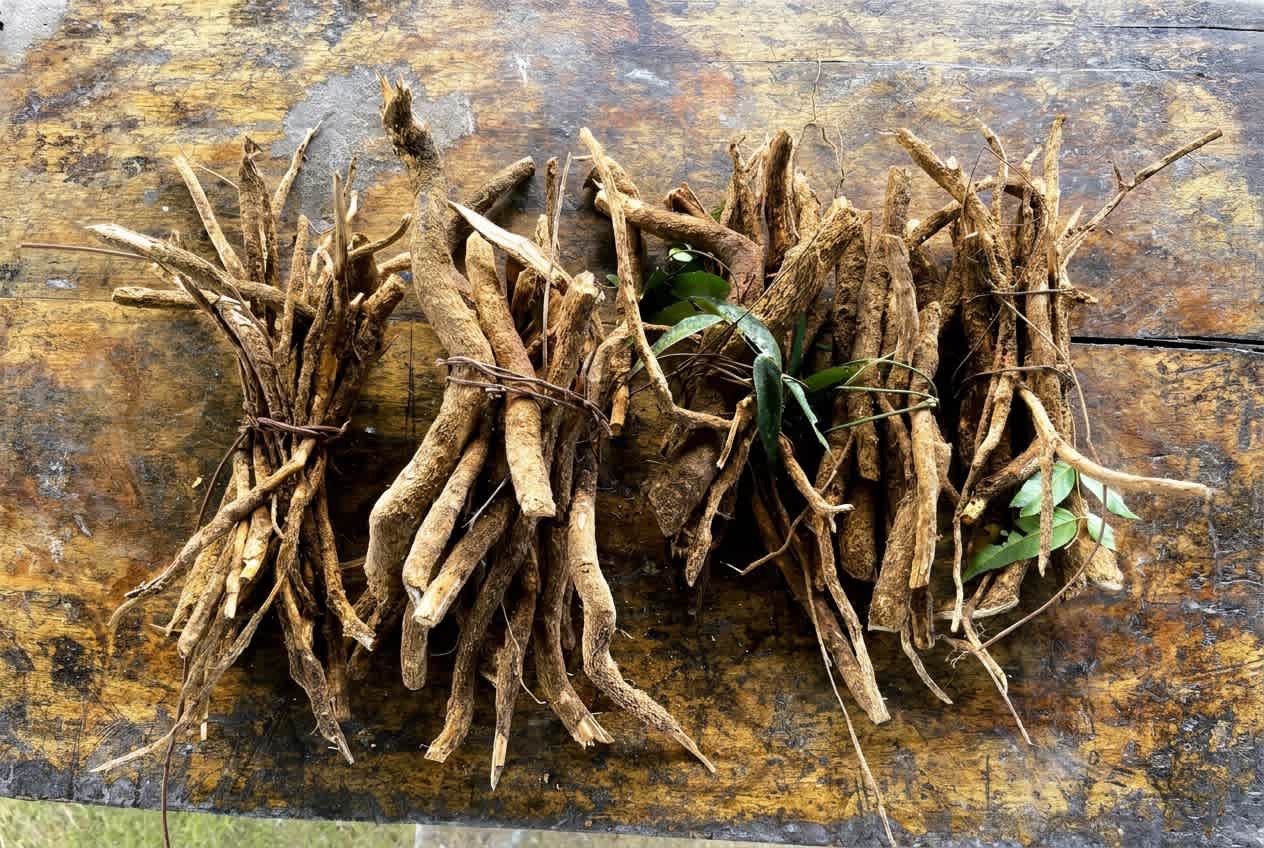
Preparations known as Sananga are primarily associated with plants of the Tabernaemontana genus, part of the Apocynaceae family.
Traditional use of Tabernaemontana sananho is particularly well documented in scientific and ethnobotanical literature. A 2023 integrative review discusses this species specifically in relation to Sananga and the Brazilian expression colírio da floresta, literally “forest eye drops”. [1]
Tabernaemontana undulata also appears in some ethnographic sources and contemporary traditions. Botanical terminology, however, is not consistent across every community, region or producer.
It would therefore be misleading to present two fixed species as the only “true Sananga plants”.
The Amazon contains many distinct ecological and cultural regions. Locally available plants, vernacular names and preparation traditions can differ.
For a specific Sananga, a botanical name is useful when it has been reliably identified. Origin, community or maker and information about the particular preparation are equally important.
Sananga in Indigenous Amazonian Traditions
Sananga belongs to a wider body of knowledge concerning plants, forest life, hunting and ceremony.
Its use is documented in connection with Indigenous peoples including the Huni Kuin and Yawanawá. Anthropological research also describes Sananga alongside Rapé and other preparations referred to in some literature as medicinas da floresta, or “forest medicines”. [2][3]
This does not mean that all Indigenous communities share the same Sananga tradition.
Huni Kuin, Yawanawá, Nukini, Kuntanawa, Shawãdawa and other peoples have their own languages, histories, practices and relationships with the plants found in their territories.
Instead of asking whether a Sananga is simply “authentic Amazonian”, more useful questions are: Where does it come from? Who prepared it? Which community or region is it connected with?
These details tell us considerably more than a general claim of authenticity.
Why Is Sananga Connected with Hunting?
One of the best documented traditional contexts of Sananga is hunting.
In dense Amazonian forest, perception is not simply about seeing over a long distance. A hunter notices subtle movement between leaves, changes in shadow, tracks, sounds and outlines that almost disappear into the surrounding vegetation.
Anthropological and ethnobotanical sources connect Sananga and Tabernaemontana sananho with hunting, alertness and perception of the surrounding environment. Research into Huni Kuin plant knowledge also documents T. sananho within traditional forest practices. [2][5]
This describes traditional knowledge and cultural practice. It is not clinical evidence that Sananga improves eyesight or treats eye conditions.
That distinction matters because traditional accounts of hunting and perception are often transformed online into medical claims that the available evidence does not support.
What Does Panema Mean?
The word panema is frequently translated on Western websites as “negative energy”. That is too narrow.
In different Amazonian contexts, panema can refer to bad luck in hunting, lack of success, lethargy, diminished vitality or a disrupted relationship between a person and their surroundings. [2]
Anthropological research also shows that the meaning changed as Amazonian practices moved into urban and contemporary spiritual environments.
When Sananga is traditionally associated with removing panema, translating this automatically as “cleansing negative energy” removes much of the original cultural meaning.
A contemporary energetic interpretation may be meaningful to some people, but it should not replace the Amazonian context from which the concept comes.
How Is Sananga Traditionally Prepared?
There is no single recipe used by every community.
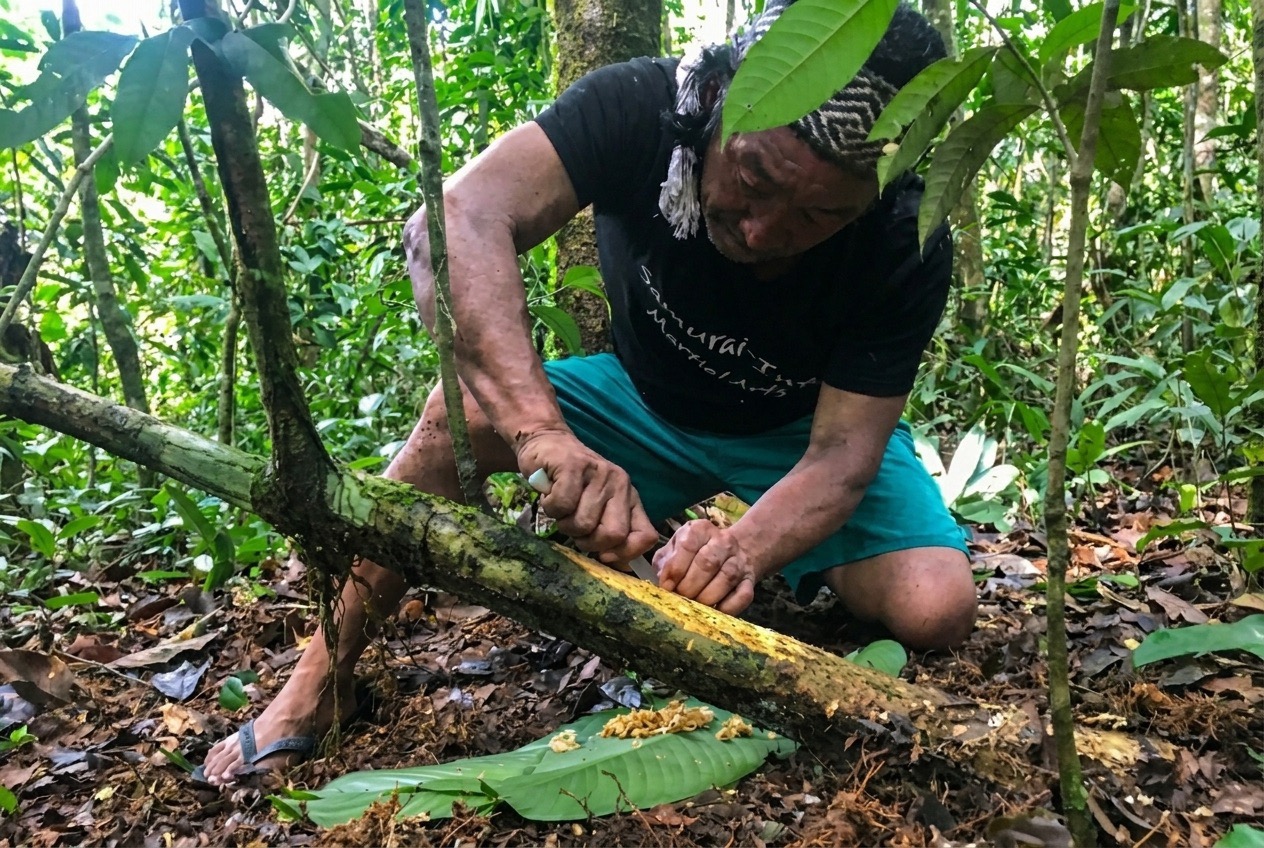
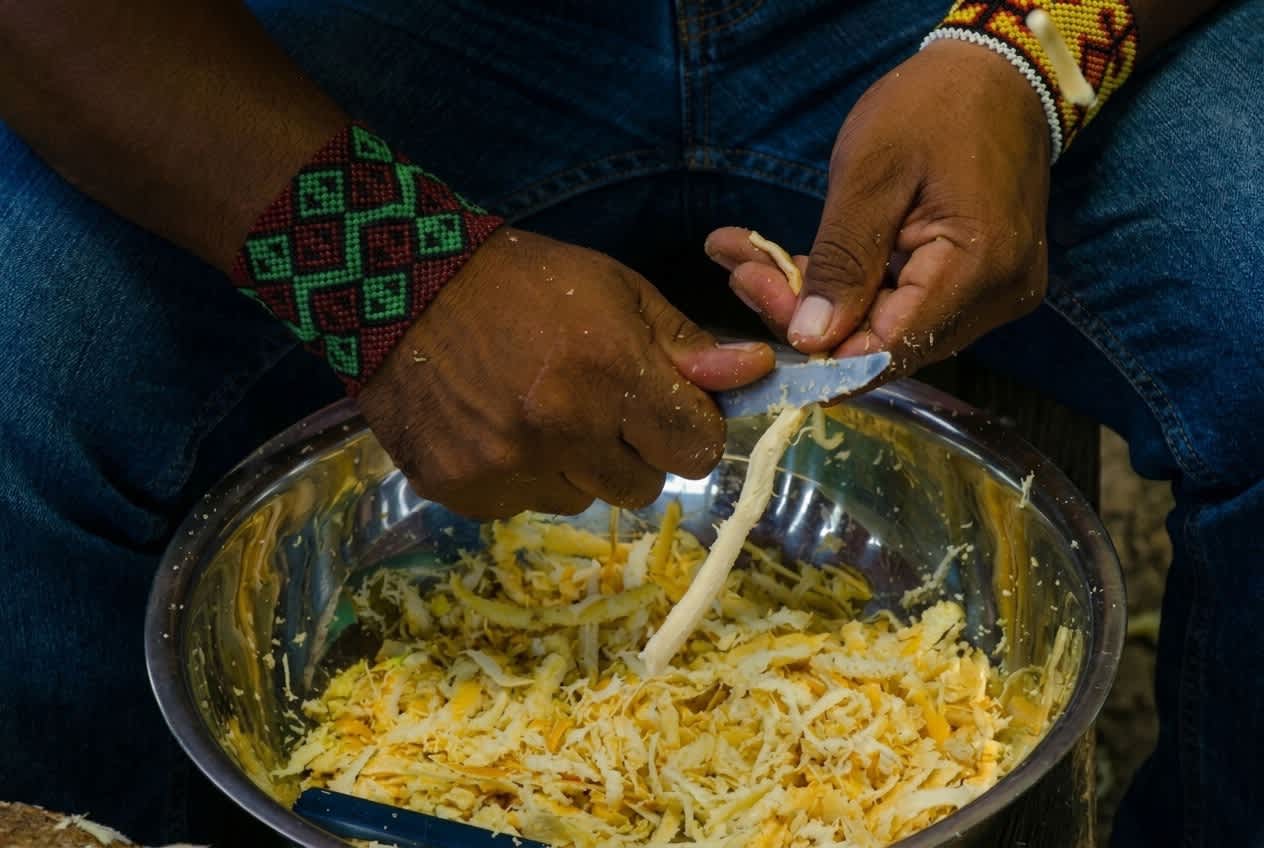
Ethnobotanical sources describe the use of roots and root bark from Tabernaemontana. The plant material is processed to create a liquid preparation, but the precise method can differ according to region, community and maker. [1][4]
The name “Sananga” alone therefore does not tell us everything about a particular preparation.
Useful information can include:
- region of origin,
- community or maker, when known,
- botanical species, when reliably identified,
- preparation method, when documented,
- production date or batch,
- storage information,
- relative intensity within the producer's range.
Two traditionally prepared Sananga products do not have to be identical. You can see how we describe origin and relative intensity for each preparation in our Sananga collection.
Why Is Sananga Described as So Intense?
Strong burning and tearing are characteristic features in ethnographic descriptions of traditional Sananga practice. [1][2]
Plants of the Tabernaemontana genus are also chemically complex. One characteristic group of compounds is monoterpene indole alkaloids.
A 2024 scientific review identified 121 monoterpene indole alkaloids reported across Brazilian Tabernaemontana species. [6]
This tells us something about the phytochemistry of the genus. It does not mean that the properties of one isolated compound can automatically be attributed to a finished Sananga preparation.
Research on a plant, research on an isolated molecule and clinical research on a finished product are different levels of evidence.
The same caution applies to intensity.
A stronger physical sensation is not evidence of higher quality.
Sananga Light, Medium and Força: What Is the Difference?
Sananga is often offered in relative intensity levels such as Light, Medium and Força.
These terms are not part of a scientifically standardised scale. Medium from one maker does not necessarily correspond to Medium from another maker or batch.
| Variant | What it indicates | What it does not indicate |
|---|---|---|
| Light | Lower relative intensity within a range | Lower quality |
| Medium | Intermediate relative intensity | A universal concentration |
| Força | Higher relative intensity within that range | Better or more authentic |
Força means “strength” or “force” in Portuguese.
The labels are useful for comparison within a particular range, but they are not quality grades.
What Information Matters When Comparing Sananga?
With Sananga, concrete product information is more useful than a long list of promised effects.
Origin. A specific region and community tell us more than the general phrase “from the Amazon”.
Botanical identification. If the species has been reliably identified, it is worth stating. If it has not, leaving the information open is better than adding a Latin name without evidence.
Maker or community. When the maker or community is known, that connection helps place the preparation in context. Different traditions do not necessarily prepare Sananga in the same way.
Batch and preparation. With a liquid botanical preparation, batch or production information helps distinguish one Sananga from another.
Relative intensity. Light, Medium and Força help compare variants within one range. They should not be treated as universal standards.
With traditional ethnobotanical products, an honest “we do not know” is more valuable than false precision.
Sananga and Rapé: What Is the Difference?
Sananga and Rapé can appear within related Amazonian or contemporary ceremonial contexts, but they are distinct preparations.
Sananga is a liquid botanical preparation associated primarily with plants of the Tabernaemontana genus.
Rapé is a very fine Amazonian plant powder whose composition depends on the particular recipe, maker and tradition.
Anthropological sources describe both alongside other medicinas da floresta, including in contexts involving Huni Kuin and Yawanawá traditions. [2][3]
Sananga is therefore not a “liquid version of Rapé”. Their botanical basis, preparation and traditional roles differ.
Some Rapé blends do contain material from Tabernaemontana sananho, which provides an interesting botanical connection between the two traditions.
What Does Science Actually Tell Us About Sananga?
Three areas need to be separated:
- ethnobotanical and anthropological documentation of traditional practices,
- botanical, phytochemical and pharmacological research on Tabernaemontana,
- clinical research on finished Sananga preparations.
The first two areas are considerably better documented than the third.
Research into Tabernaemontana sananho and related species confirms the presence of numerous indole alkaloids. Researchers have studied plant extracts, fractions and isolated chemical compounds. [4][6]
This is scientifically interesting, but it is not evidence that finished Sananga treats a particular disease or condition.
The 2023 review dedicated to Tabernaemontana sananho and Sananga concludes that further research is needed to better understand the preparation and its properties. [1]
The available literature therefore does not justify presenting Sananga as a treatment for cataracts, glaucoma, eye infections, sleep disorders, anxiety or other health conditions.
Traditional knowledge can be described carefully without converting it into a clinical promise.

Sananga, Chakras and the “Third Eye”
Modern discussions of Sananga often connect it with the third-eye chakra, Ajna or other concepts familiar from contemporary spirituality.
The cultural distinction matters.
The chakra system originates in Indian traditions, not in the Indigenous cultures of the Amazon.
Connecting Sananga with Ajna or another chakra can be a contemporary personal interpretation. It should not be presented as an original category of the Yawanawá, Huni Kuin, Nukini, Kuntanawa, Shawãdawa or other Amazonian peoples.
The same applies to the expression “opening the third eye”.
Sananga already has a substantial traditional context through forest knowledge, hunting, perception and concepts such as panema.
Sananga at La Herba: Why Origin Matters
As interest in Sananga has spread outside South America, products described simply as “Amazonian Sananga” have become common. That description alone tells us very little.
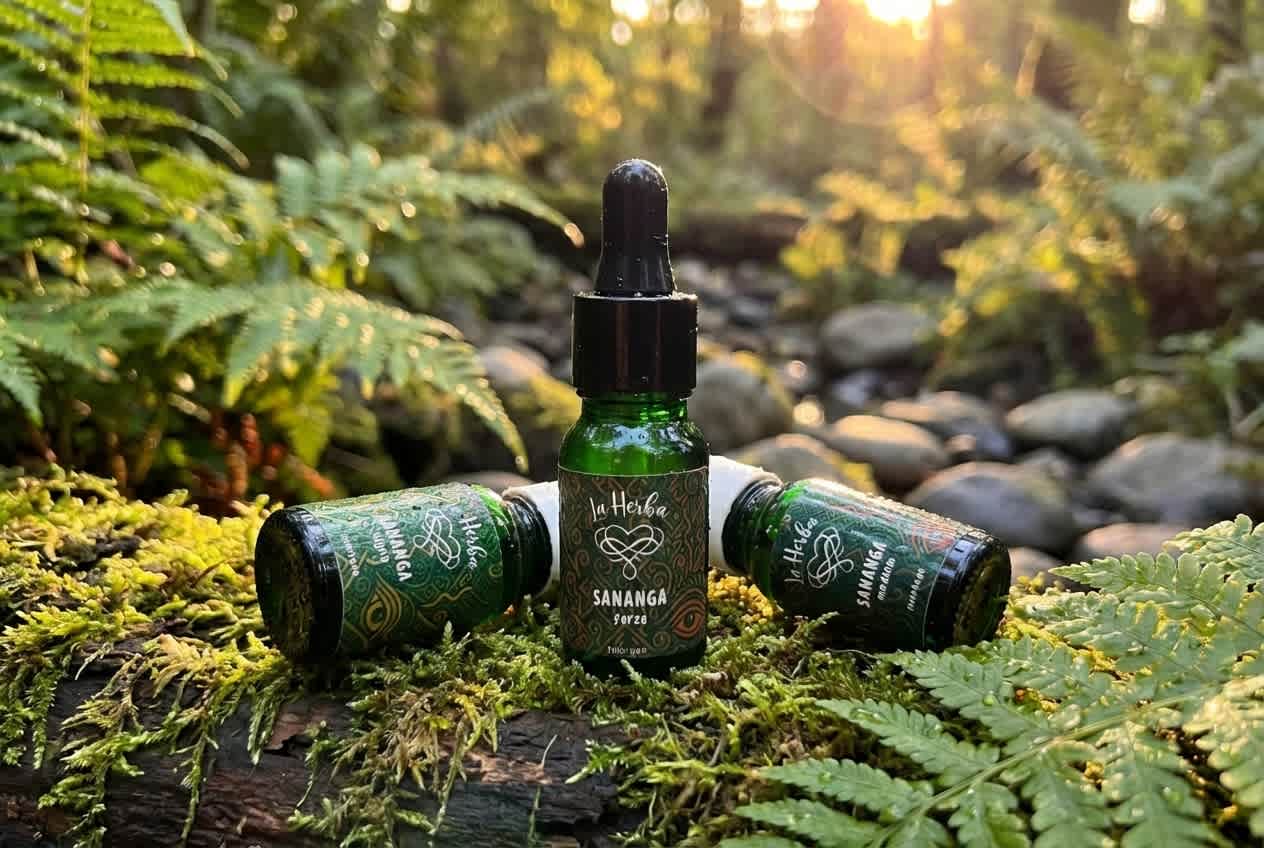
At La Herba, we focus on information that can be connected to the specific preparation: origin, community or maker where known, batch information and relative intensity.
If the botanical species has been reliably identified, it can be stated. If a detail is not known, it should not be invented to make the product story sound more complete.
The name of an Indigenous community should represent a real and documented connection with the product, not serve as decorative marketing.
Current variants — Light, Medium and Força — can be compared in our Sananga collection. Because batches and sourcing may change, the individual product page should be treated as the most current source for information about a particular Sananga.

Frequently Asked Questions About Sananga
What Is Sananga?
Sananga is a traditional Amazonian botanical preparation associated primarily with the roots and root bark of plants belonging to the Tabernaemontana genus. Its traditional meaning and context differ between Amazonian communities. [1][2]
Which Plant Is Sananga Made From?
Tabernaemontana sananho is particularly well documented in scientific and ethnobotanical literature. Tabernaemontana undulata also appears in some ethnographic and contemporary sources, but there is no single botanical identification used universally across all Sananga traditions.
Is Every Sananga the Same?
No. Sananga preparations can differ in plant material, origin, preparation, batch and relative intensity. Two traditionally prepared products do not need to be identical.
What Does Panema Mean?
Panema is a concept found in different Amazonian contexts. It can refer to bad luck in hunting, lack of success, lethargy or diminished vitality. Translating it simply as “negative energy” is a modern simplification. [2]
Why Is Sananga Associated with Hunting?
Traditional sources connect Sananga with alertness, perception and preparation for hunting. This is part of documented cultural knowledge and should not be confused with clinical evidence of improved eyesight. [2][5]
What Does Sananga Força Mean?
Força means “strength” or “force” in Portuguese. In product naming, it usually identifies the more intense variant within a particular Sananga range. You can see how we use the term for our own Força preparation.
Is Força Better Than Medium or Light?
No. Intensity is not the same as quality. Origin, preparation and transparency about the product are at least as important.
Does Sananga Improve Eyesight?
Vision and perception appear in traditional contexts connected with hunting. The available evidence does not establish that Sananga clinically improves eyesight or treats eye disease.
Is Sananga Psychedelic?
Sananga is not traditionally classified in the same way as classical psychedelic preparations. Tabernaemontana species do contain a complex range of alkaloids, so their chemistry should not be reduced to one compound or one claimed effect. [6]
Are Sananga and Rapé the Same Thing?
No. Sananga is a liquid botanical preparation associated primarily with Tabernaemontana, while Rapé is a fine plant powder whose composition depends on its recipe and tradition. They can appear within related ceremonial contexts, but they are distinct preparations. [2][3]
Important Distinction
La Herba describes Sananga primarily in an ethnobotanical, historical and cultural context. Descriptions of traditional practices are not instructions for use or medical recommendations. Traditional use, laboratory research into a plant and clinically demonstrated effectiveness are different levels of evidence and should not be treated as interchangeable. Products in this category are presented as ethnobotanical samples and collector items for ethnographic, historical, cultural, scientific and educational purposes. Explore the current preparations in the Sananga collection.
Sources and Scientific Literature
-
Robert, A. P., Sieben, P. G., de Lima, A. (2023). Ethnobotanical of the plant Tabernaemontana sananho Ruiz & Pavon (Apocynaceae) – Integrative Review. Revista Fitos, 17(3), 445–459. DOI: 10.32712/2446-4775.2023.1432.
-
Meneses, G. P. (2018). Medicinas da floresta: conexões e conflitos cosmo-ontológicos. Horizontes Antropológicos, 24(51), 229–258. DOI: 10.1590/S0104-71832018000200009.
-
Platero, L. D., de Rose, I. S. (2022). “Forest Medicines,” Kinship Alliances, and Equivocations in the Contemporary Dialogues between Santo Daime and the Yawanawá. Anthropology of Consciousness, 33(2), 279–306. DOI: 10.1111/anoc.12160.
-
Luzuriaga-Quichimbo, C. X., Ruiz-Téllez, T., Blanco-Salas, J., Cerón Martínez, C. E. (2018). Scientific validation of the traditional knowledge of Sikta (Tabernaemontana sananho, Apocynaceae) in the Canelo-Kichwa Amazonian community. Mediterranean Botany, 39(2), 183–191. DOI: 10.5209/MBOT.60073.
-
Penedo, T. S. de A. P., Quinet, A., Haverroth, M., Peixoto, A. L. (2023). The singularity of the medicinal knowledge of the Huni Kuĩ people from the western Brazilian Amazon. Ethnobotany Research and Applications, 25, 1–107.
-
Nogueira, T. S. R. et al. (2024). An update review on monoterpene indole alkaloids and biological activities of Tabernaemontana species occurring in Brazil. Journal of Ethnopharmacology, 328, 117921. DOI: 10.1016/j.jep.2024.117921.
Haux e muita alegria!
Sananga FAQ
How long do the effects of Sananga last?
The intense sensations following application usually last for a few minutes. In traditional contexts, some users also describe a sense of mental clarity or...
Kuripe - self-aplicator for Hapeh
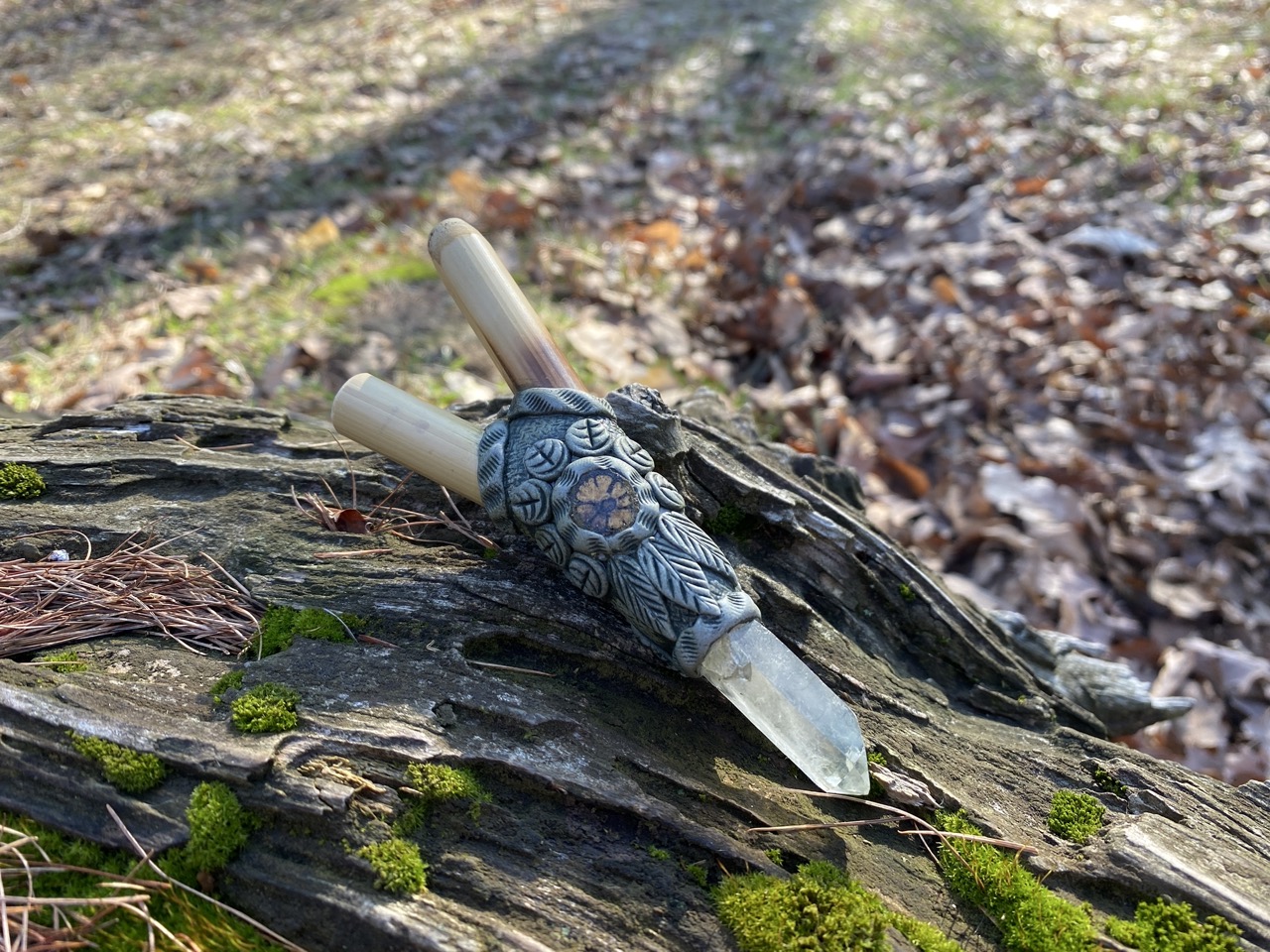
The Rapé applicators, also known as “Tepi” and “Kuripe” are sacred instruments of indigenous origin generally made from different types of wood, bamboo, special rocks or bones and can carry ornamen...
Mapacho / Rapé icaro for calming and grounding energies
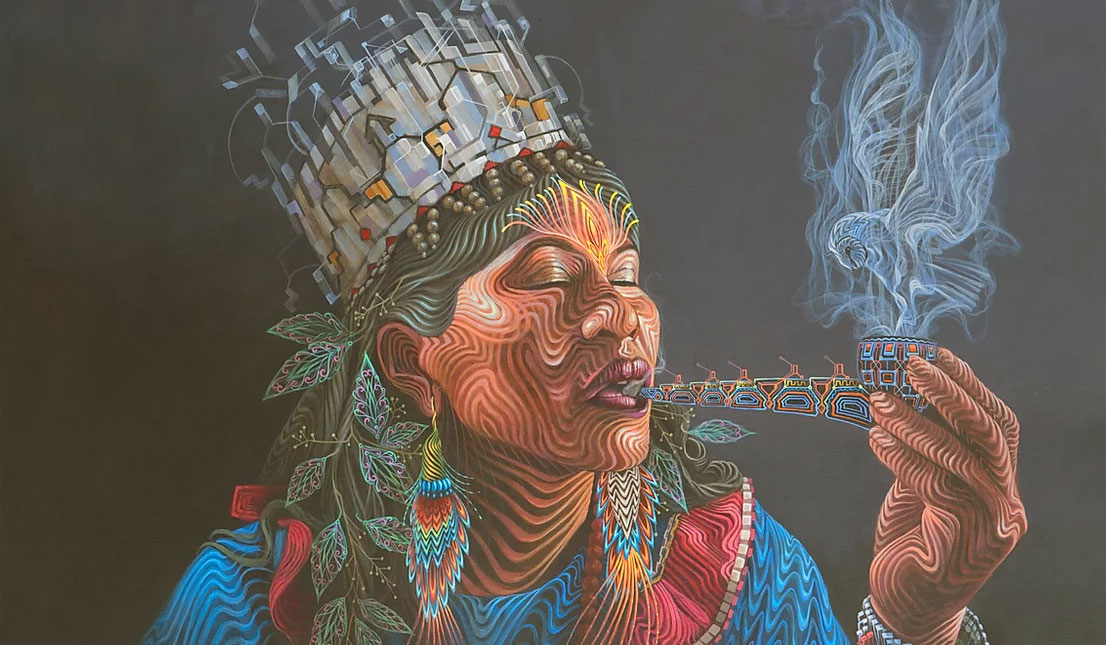
In the Amazon tradition, when an apprentice follows the path of the curandero (“healer”), he follows diets that allow him to connect with the spirits of the plants. In this moment of deep communion...
Kariri-Xocó tribe
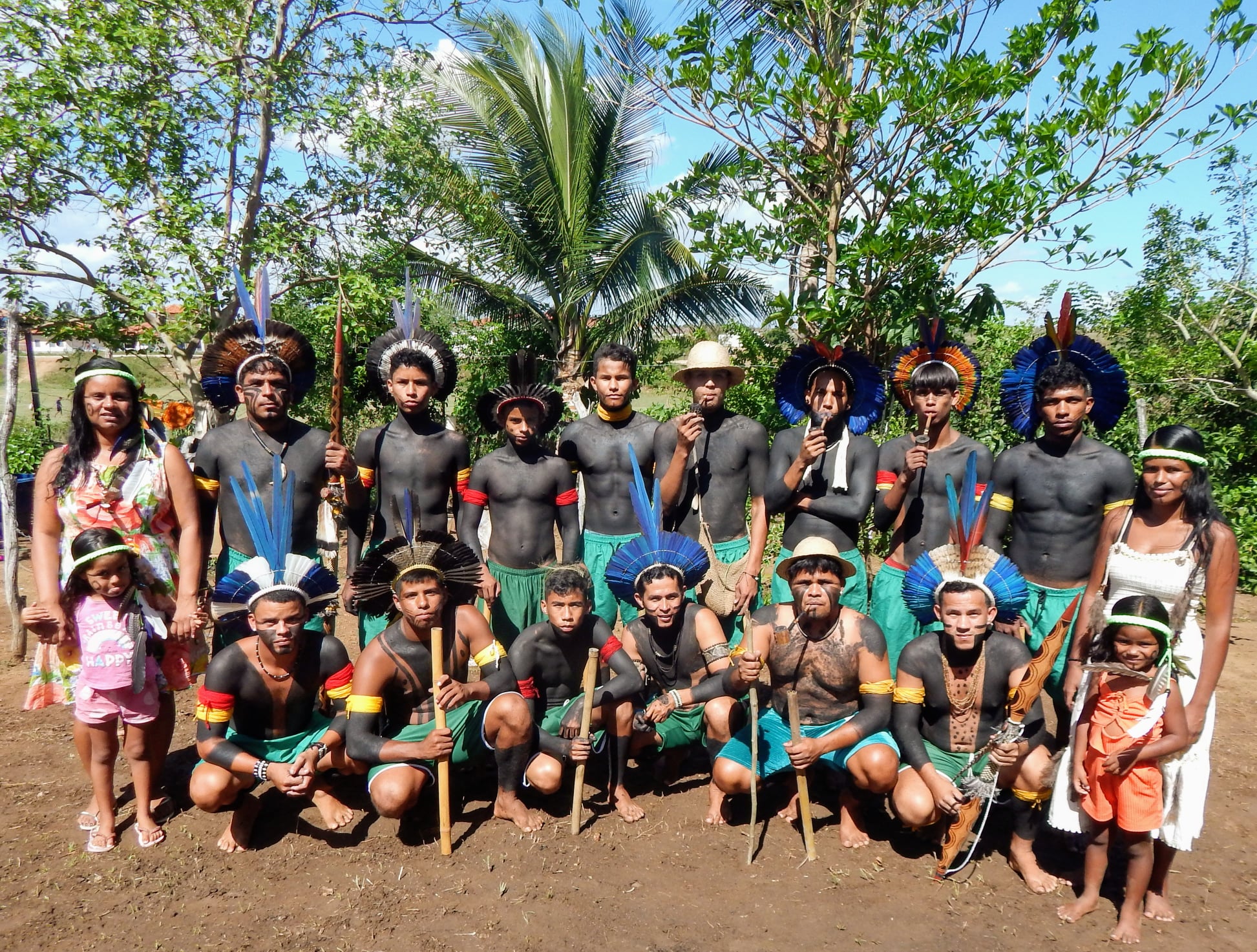
The Kariri-Xocó: A Proud People Holding Space for Spirit and Tradition
Nestled along the banks of the great São Francisco River in the Brazilian state of Alagoas, the Kariri-Xocó community is...