
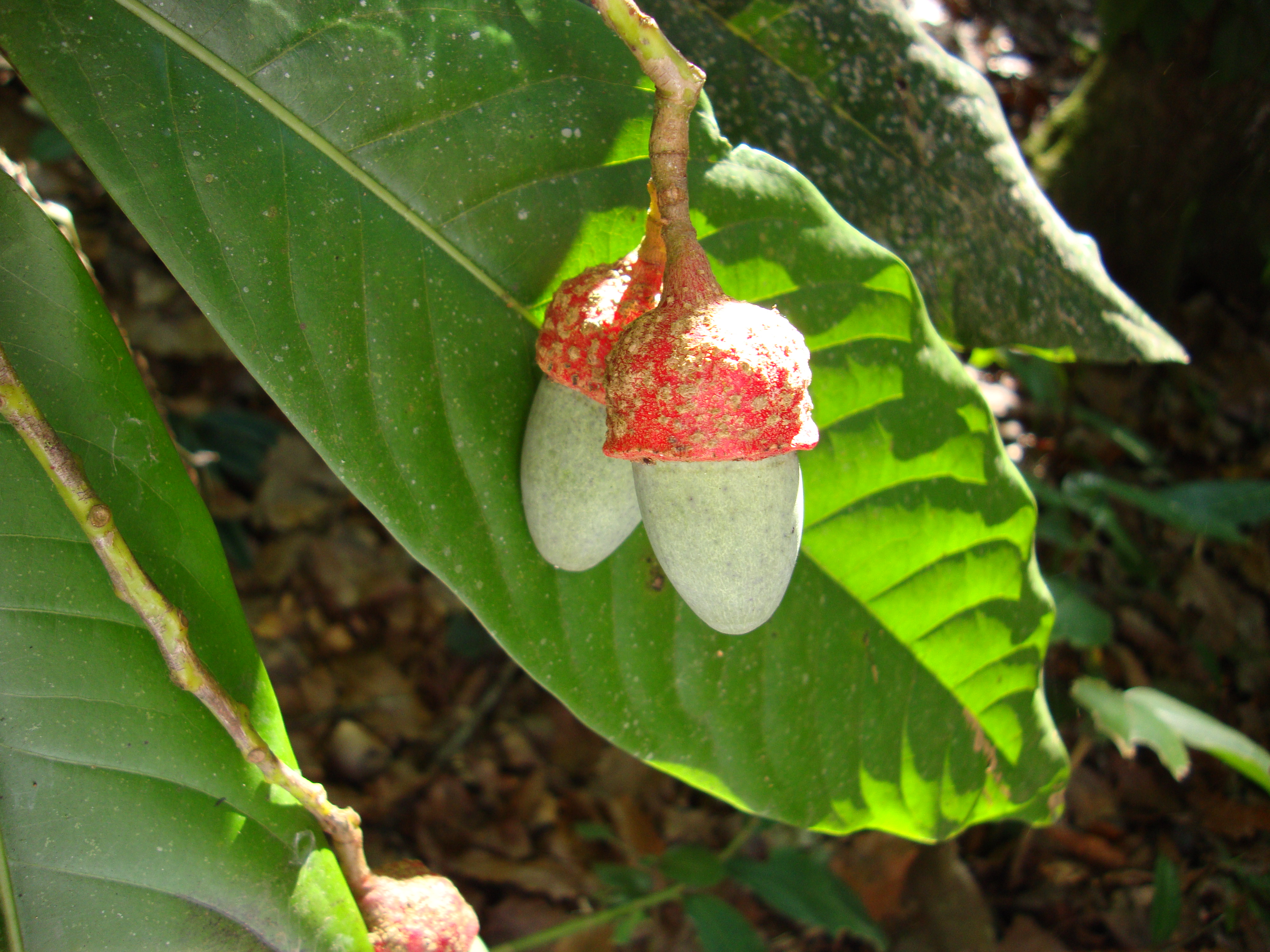
Pixuri tree
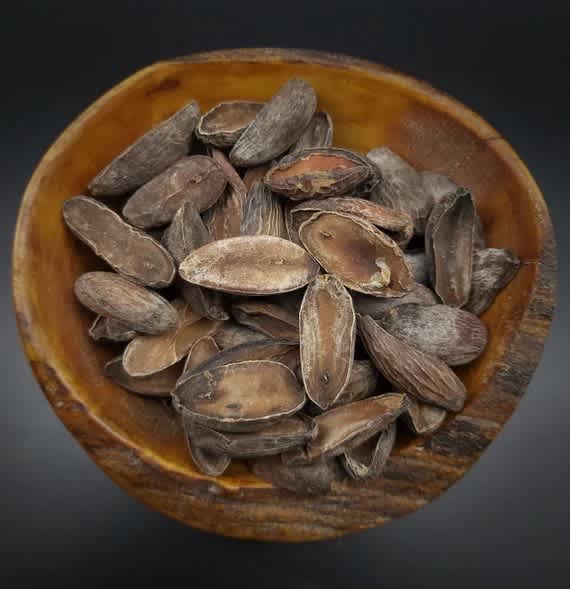
Licaria puchury is a tree of the laurel family (Lauraceae) from the tropical forests of South America. It is best known for its large, dark seeds, listed in ethnobotany under the names Pixuri, Puxuri or Apuxuri – in English they are called Brazilian Nutmeg.
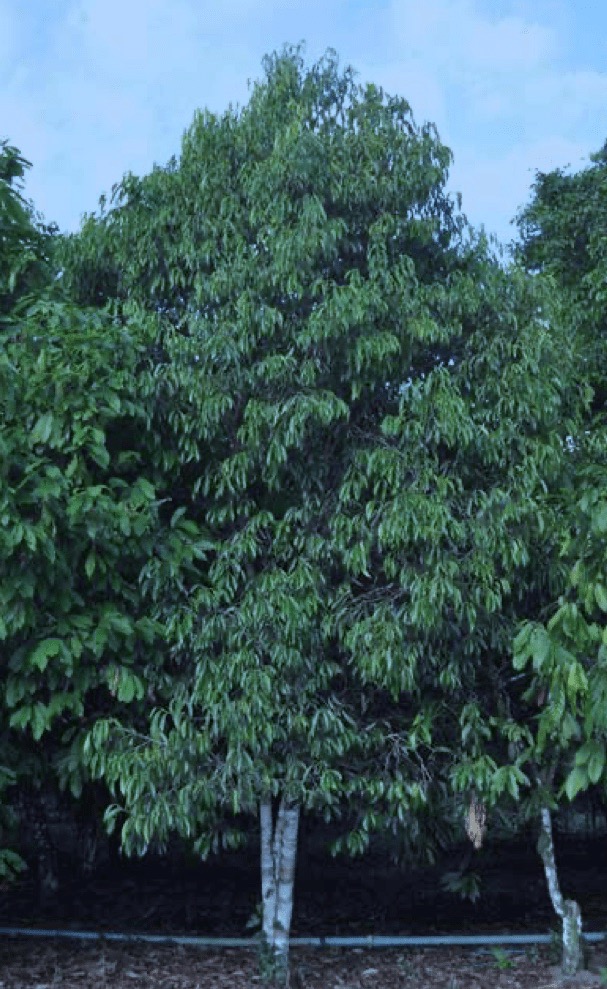
Aroma, flavour and botanical character
The leaves of Pixuri release a fresh, minty aroma, while the seeds are closer to nutmeg – intense, warm and slightly sweet. This characteristic scent comes from the safrole it contains, a compound with an unmistakable “candy-shop” aroma that also occurs in the sassafras tree.
The genus Licaria
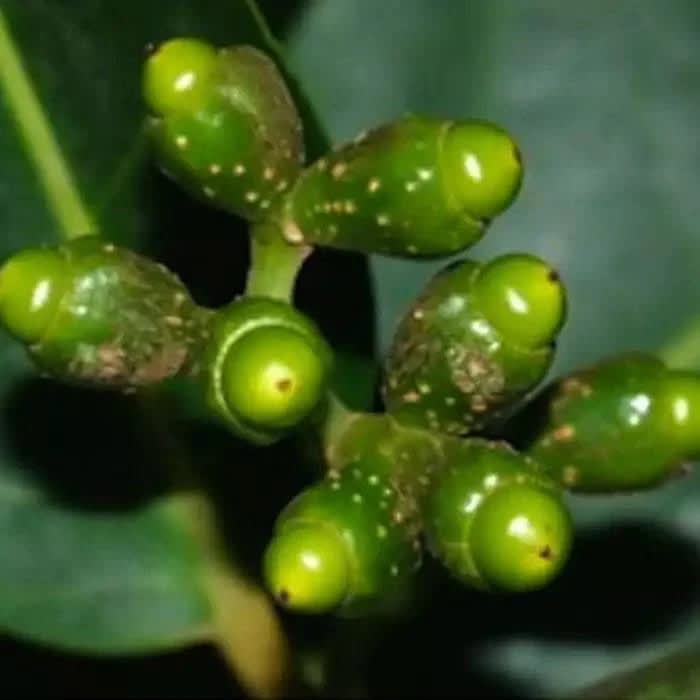
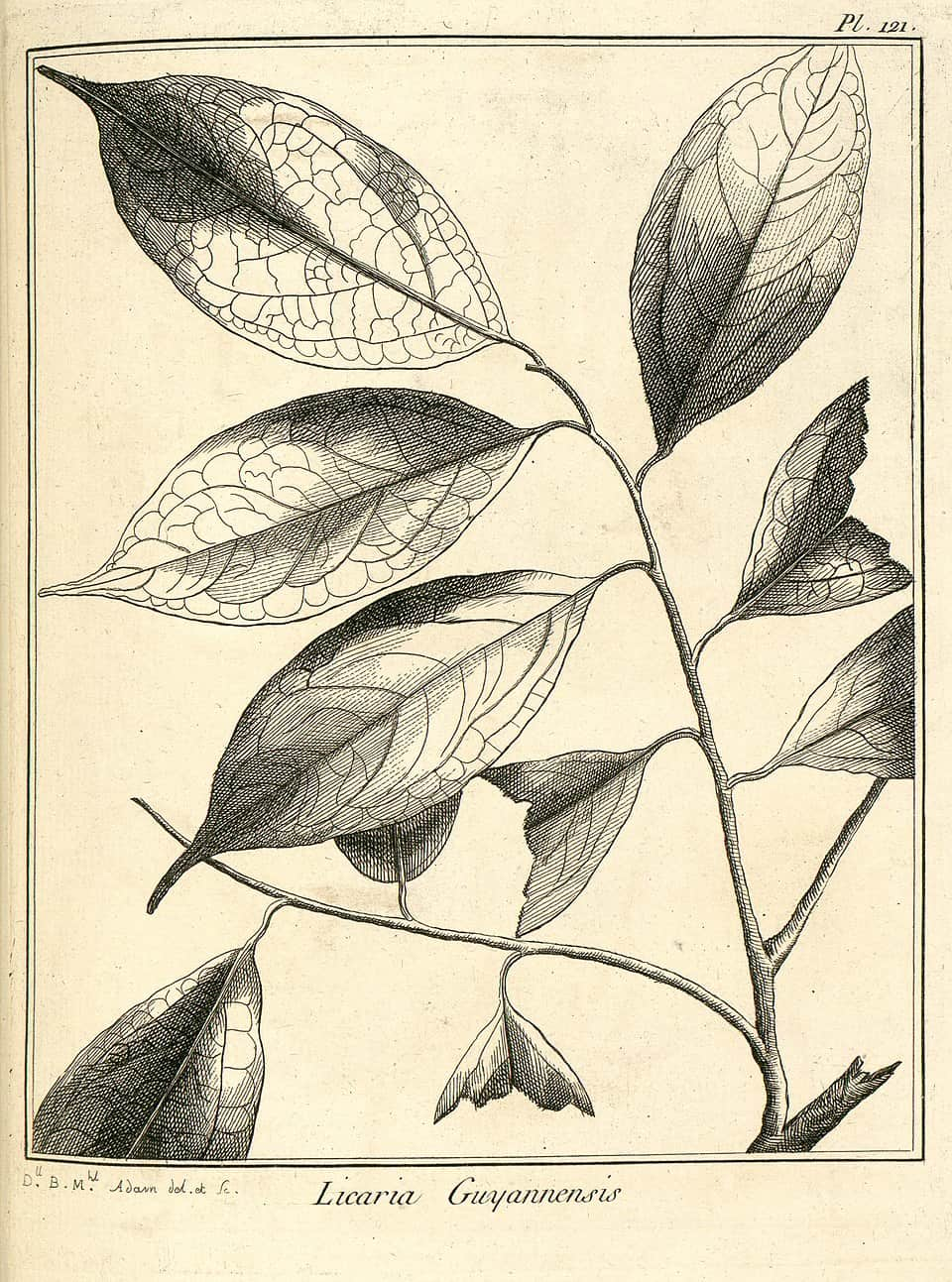
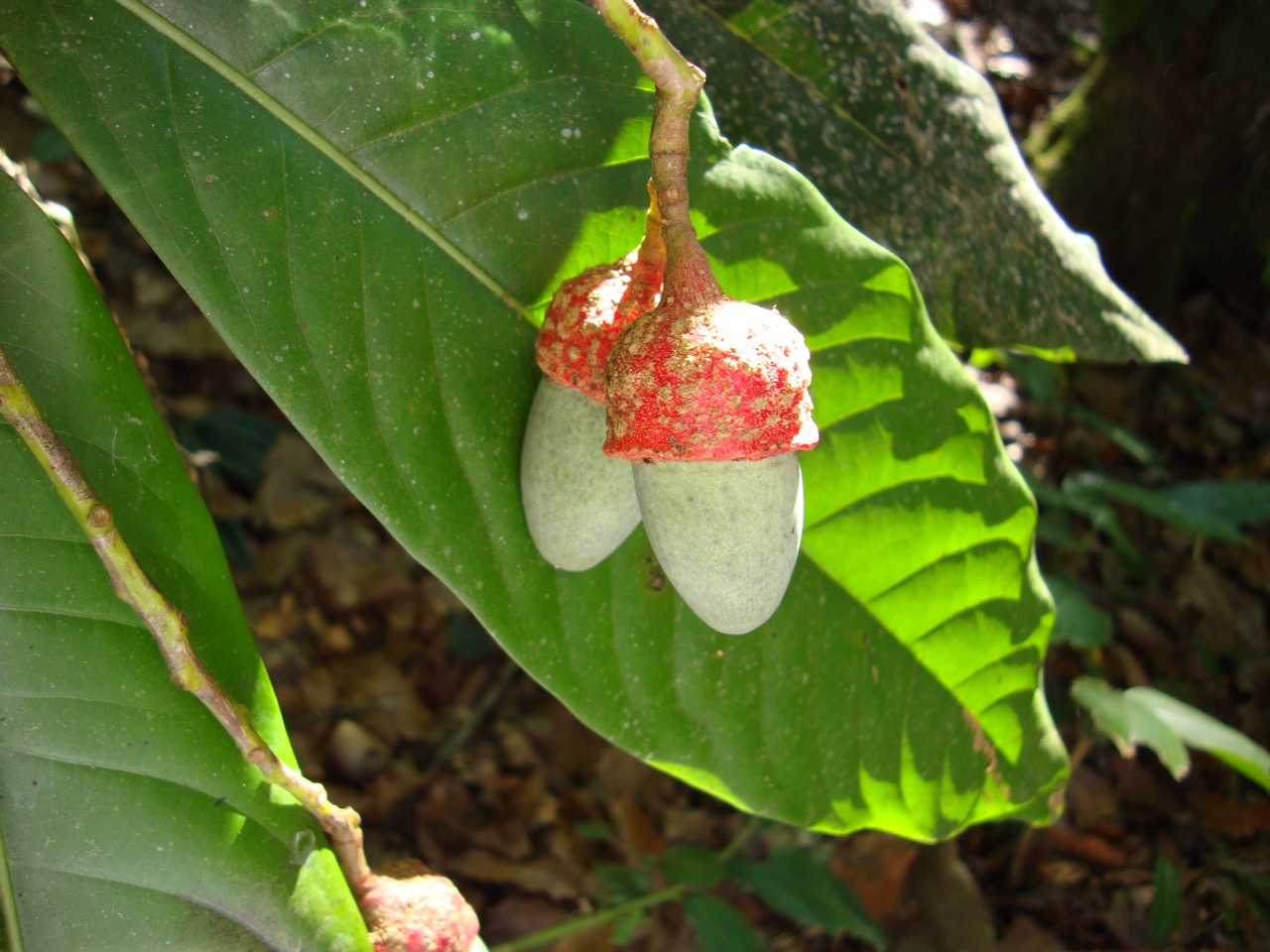
Pixuri belongs to the genus Licaria within the laurel family. First a historical botanical plate of Licaria guianensis, then the fruits of the closely related species Licaria excelsa.
Chemical composition
Traditional users value Pixuri for its varied composition. Phytochemically it contains three notable compounds:
Eucalyptol
Known from traditional herbal medicine, where it is observed in connection with respiratory complaints and inflammation. It is credited with antioxidant, antibacterial and antifungal properties.
Eugenol
The same compound that gives cloves their characteristic scent. In ethnobotany, eugenol is studied for its possible effect on NMDA receptors, which play a role in the perception of pain.
Safrole
An aromatic compound that gives the seed its unmistakable profile.
Traditional use
In the folk medicine of the Amazon, the leaves and seeds of Licaria puchury have been used for generations. According to traditional accounts, the plant is said to have mood-lifting, strengthening and aphrodisiac effects – qualities it shares with its relative, nutmeg. The leaves are often used as incense and are said to have antiseptic and anti-inflammatory properties.
Pixuri in brief
What is Pixuri?+
Pixuri is the ethnobotanical name for the large, dark seeds of the Licaria puchury tree, a member of the laurel family (Lauraceae) from the tropical forests of South America. It is also known as Puxuri, Apuxuri or Brazilian Nutmeg.
What do Pixuri leaves and seeds smell like?+
The leaves release a fresh, minty aroma. The seeds are closer to nutmeg – intense, warm and slightly sweet.
What is safrole?+
Safrole is an aromatic compound with an unmistakable “candy-shop” scent. It gives Pixuri seeds their characteristic profile and also occurs in the sassafras tree.
How is Pixuri used traditionally?+
In the folk medicine of the Amazon, the leaves and seeds have been used for generations. The leaves are often used as incense.
Where does Pixuri come from?+
From the tropical forests of South America, mainly the Amazon region.
Pixuri at La Herba
We offer Pixuri as an ethnobotanical incense – for collectors, plant lovers and anyone who wants to explore the botanical diversity of the Amazon.
Rapé Pixuri
Ethnobotanical sample from the Puyanawa tradition.
View Rapé PixuriWrite to us and we will help you choose the right products. Haux e muita alegria!
Contact La HerbaAuthor: Jorge from La Herba
Natural Incense - Ethnobotanical sample
This product is offered exclusively for ethnographic, historical, cultural, educational and research purposes. It is not intended for ingestion, inhalation, smoking, or any internal or medicinal use. The information on this page is educational only and does not constitute a recommendation for use. Handling of the product is entirely the purchaser’s responsibility. Read our full disclaimer.
Embodiments of Master Saint Germain

Ascended Masters
Saint Germain, Chohan of the Seventh Ray and keeper of the Violet Flame of Transmutation, is described as having embodied across the centuries as prophets, saints, alchemists,...
Katukina (Noke Koi) tribe
Indigenous peoples of the Amazon
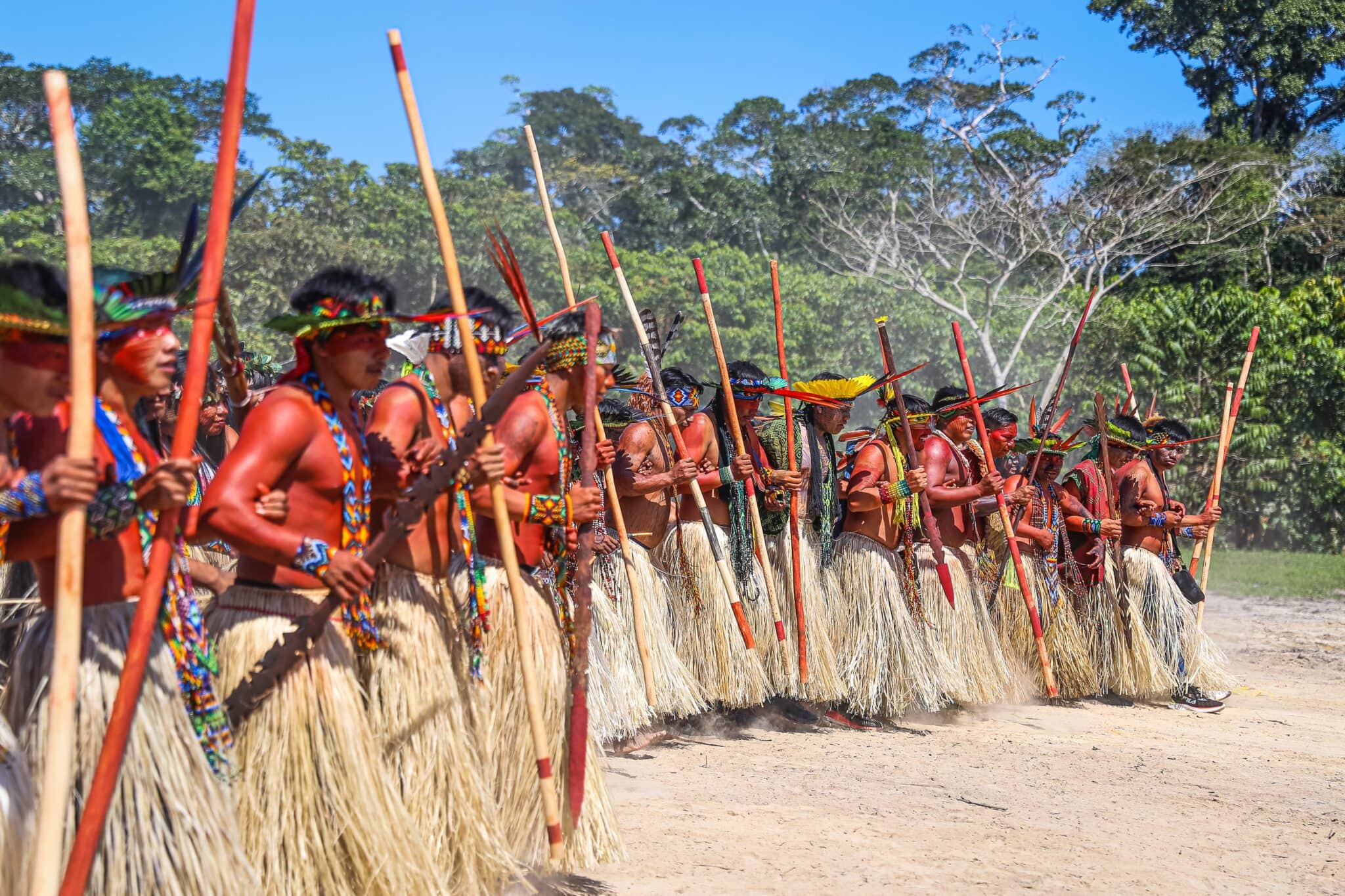
The outside world knows them as Katukina. They call themselves Noke Koi – “true people”. Despite more than a century of outside pressure, they have preserved t...
Palo Santo: a sacred wooden incense burner from Peru
Sacred wood
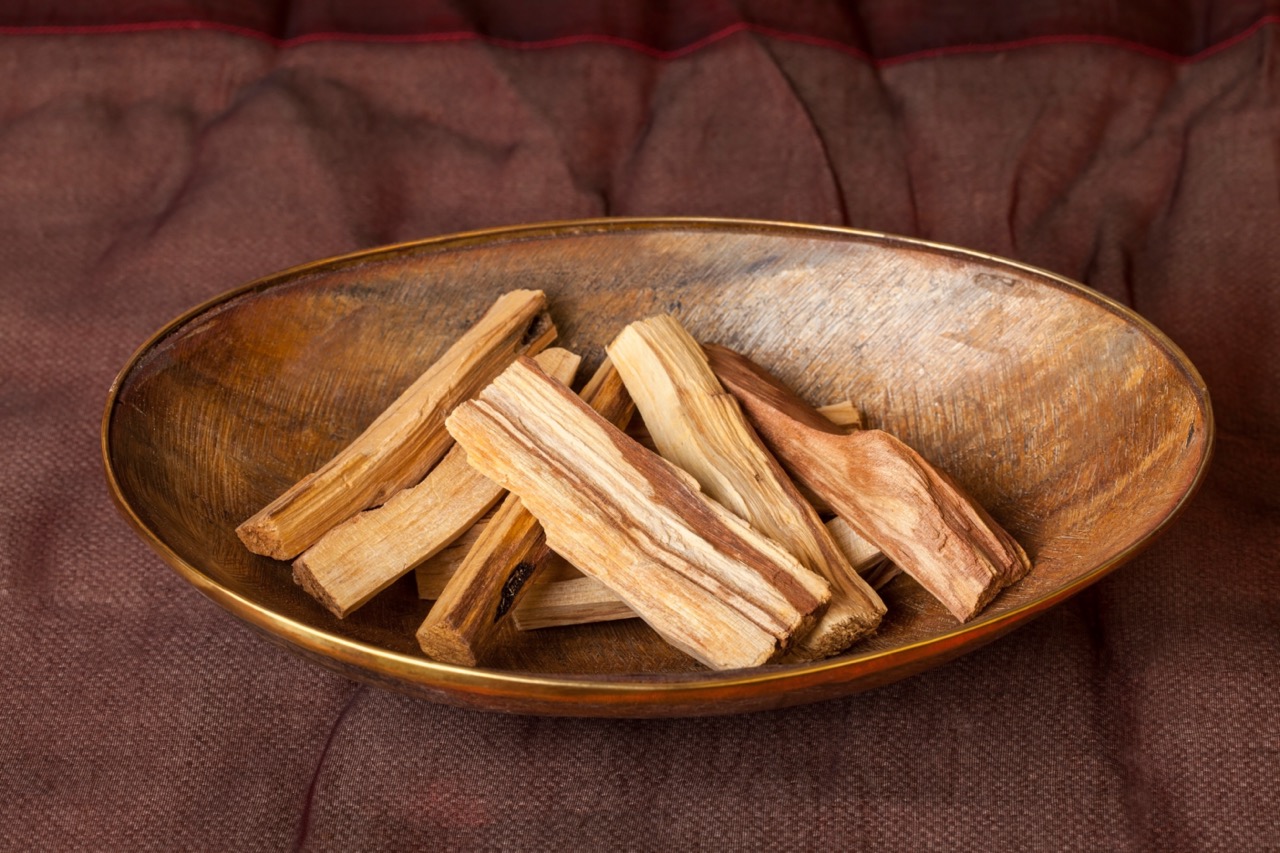
Palo Santo – sacred wood for cleansing, calm and harmony
In recent years, Palo Santo has become synonymous with space clearing and meditation rituals around the world.
This sacre...
Chaga Siberian, Chaga - the strongest natural antioxidant in the world
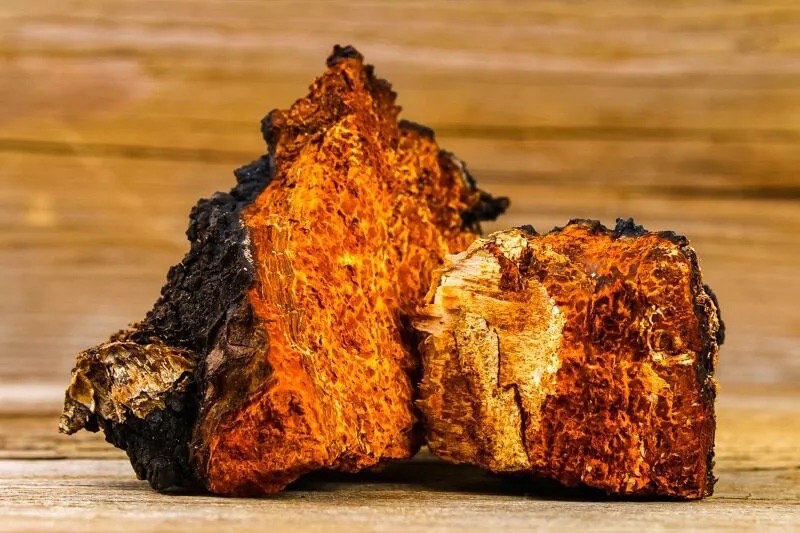
On the trunk of an old birch in the Siberian taiga appears something that looks like a lump of burnt charcoal. A black, cracked mass that has been growing there for years. Break it open and you...